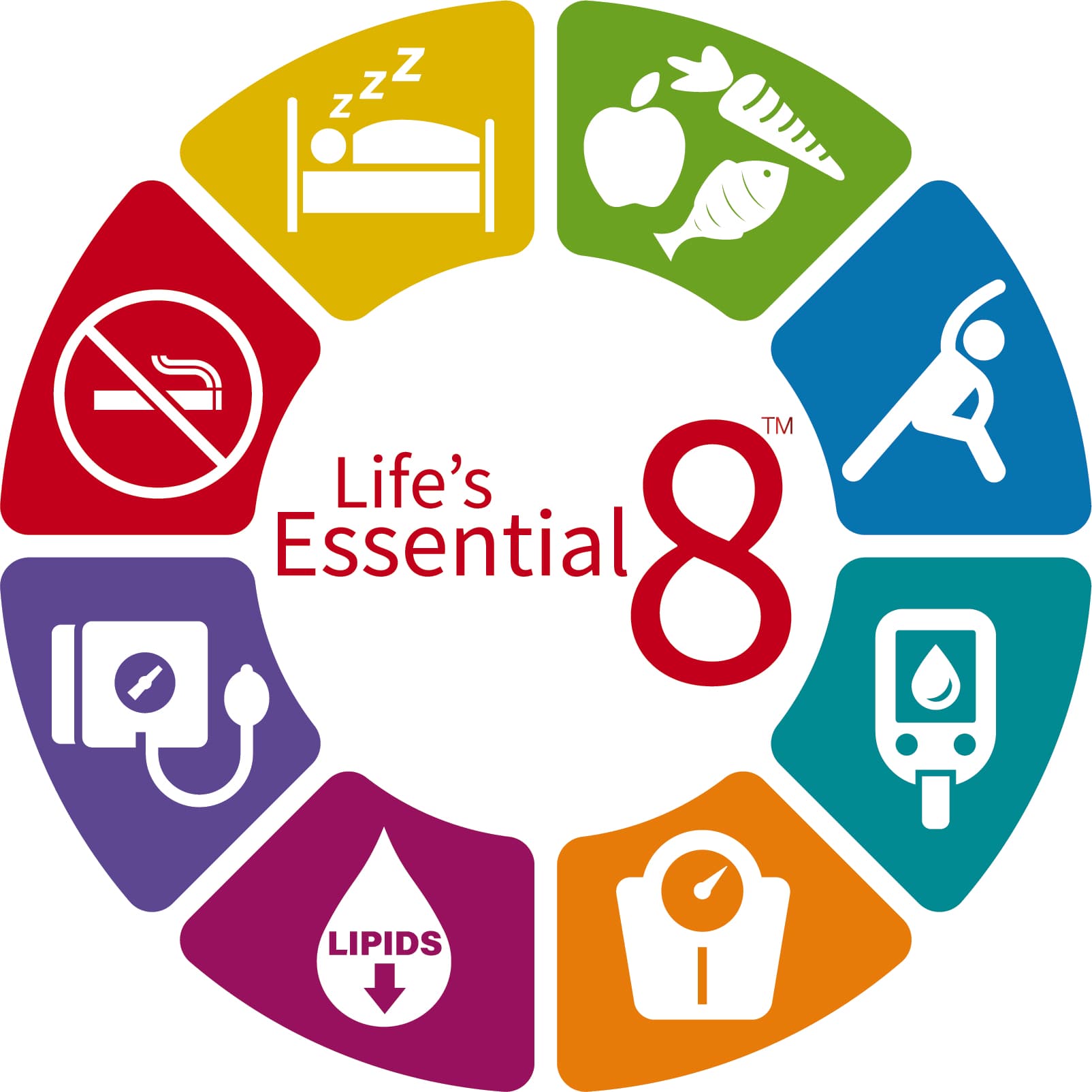
The American Heart Association, in partnership with the NFL Alumni Association, has initiated a significant campaign during Men’s Health Week, focusing on the importance of heart health among men. This collaboration highlights Life’s Essential 8™, a comprehensive list of health measures designed to combat heart disease and stroke, which remain leading causes of death and disability in the United States. The campaign features former NFL players, each advocating for one of the eight key health components, aiming to inspire men to adopt healthier lifestyles.
Life’s Essential 8™ encompasses managing weight, blood pressure, cholesterol, and blood sugar, alongside promoting a healthy diet, physical activity, smoking cessation, and adequate sleep. These measures are categorized into health behaviors and health factors, with research underscoring their potential to enhance longevity and reduce chronic disease risks. The involvement of NFL Alumni, including notable figures like Ken Coffey and Brad Edwards, lends credibility and visibility to the initiative, targeting both retired athletes and the general public.
The campaign’s approach, utilizing public service announcements shared across social media platforms, seeks to educate and motivate men to take proactive steps towards improving their heart health. This initiative not only addresses the immediate health concerns but also underscores the broader implications of preventive healthcare. By focusing on education and awareness, the American Heart Association and NFL Alumni Association aim to foster a culture of health consciousness that transcends Men’s Health Week, potentially reducing the prevalence of heart disease and stroke in the long term.
This partnership represents a pivotal moment in public health advocacy, combining the influence of sports figures with the expertise of a leading health organization. The campaign’s emphasis on actionable health measures provides a clear pathway for individuals to enhance their well-being, highlighting the critical role of preventive care in combating cardiovascular diseases. As heart disease continues to pose a significant threat to men’s health, initiatives like these are vital in shifting public perceptions and behaviors towards healthier lifestyles.