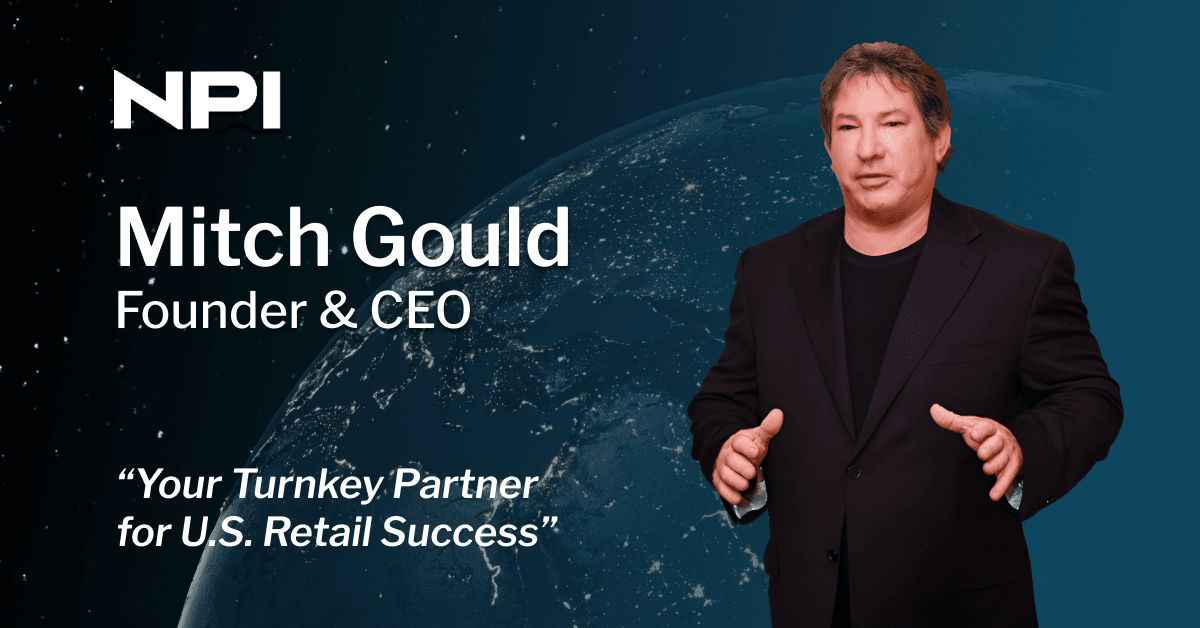
The retail landscape has fundamentally shifted as the distinction between online and physical shopping disappears, creating new challenges and opportunities for health and wellness brands. Nutritional Products International (NPI) has adapted its distribution strategy to address this new reality under the leadership of Founder and CEO Mitch Gould, whose career spans from the rise of big-box retail in the 1980s to helping launch Amazon's health and wellness category in the early 2000s.
Consumer behavior has permanently changed, with 73 percent of shoppers now using multiple channels before making purchases. Gould explained that e-commerce growth accelerated five years ahead of projections during COVID-19, but brick-and-mortar retail adapted rather than disappeared. The most successful brands now maintain consistent visibility, pricing, and availability across all consumer touchpoints.
NPI manages five distinct retail ecosystems for clients, beginning with e-commerce marketplaces that serve as the digital foundation. The company brings extensive experience with Amazon and Walmart.com, optimizing listings, Buy Box strategy, compliance, and advertising performance for each platform's unique requirements. Mass market retail remains crucial for brand legitimacy, with in-store placement at chains like Walmart, Target, CVS, and Walgreens providing credibility that drives online conversion as well.
Specialty health retailers including Vitamin Shoppe, GNC, and Whole Foods attract educated consumers seeking premium products, serving as proving grounds for innovation before brands scale to mass retail. Club stores like Costco, Sam's Club, and BJ's require distinct pricing, packaging, and demonstration programs for their bulk value model. Direct-to-consumer channels complete the ecosystem, allowing brands to build lasting relationships through QR codes, registration programs, and loyalty initiatives that complement retail presence.
Maintaining price integrity across platforms represents one of the most significant challenges brands face. Gould noted that Amazon enforces price parity while brick-and-mortar retailers resist becoming showrooms for online competitors. NPI addresses this through strategies involving exclusive SKUs, minimum advertised price policies, and coordinated promotional calendars that protect all channels.
The effectiveness of this integrated approach was demonstrated when NPI guided an international collagen brand through a synchronized U.S. market launch across five retail ecosystems. Within 90 days, the company secured Amazon Brand Registry, placement in 4,500 CVS locations, specialty chain listings, Costco roadshow approval, and a fully integrated direct-to-consumer website. The coordinated effort resulted in first-year revenue exceeding projections by 240 percent, with visibility in each channel amplifying momentum across others.
Looking forward, Gould identifies several emerging trends that will further shape retail convergence. Retail media networks are transforming retailer data into high-ROI advertising platforms, while same-day fulfillment through partnerships with Amazon, Walmart, and Instacart meets growing consumer expectations for immediate gratification. Social commerce driven by platforms like TikTok Shop and livestream retail, along with smart packaging that connects physical products to digital experiences, represent additional areas of evolution.
Through its Evolution of Distribution platform, NPI provides brands with turnkey omnichannel capabilities including simultaneous online and retail launches, channel-specific SKU and pricing strategies, integrated inventory management, unified analytics across sales channels, and retail buyer relationships spanning online and offline ecosystems. The company effectively serves as U.S. headquarters for both international and domestic brands, leveraging decades of experience to navigate the increasingly complex retail environment where strategic integration creates competitive advantages that are difficult to replicate.