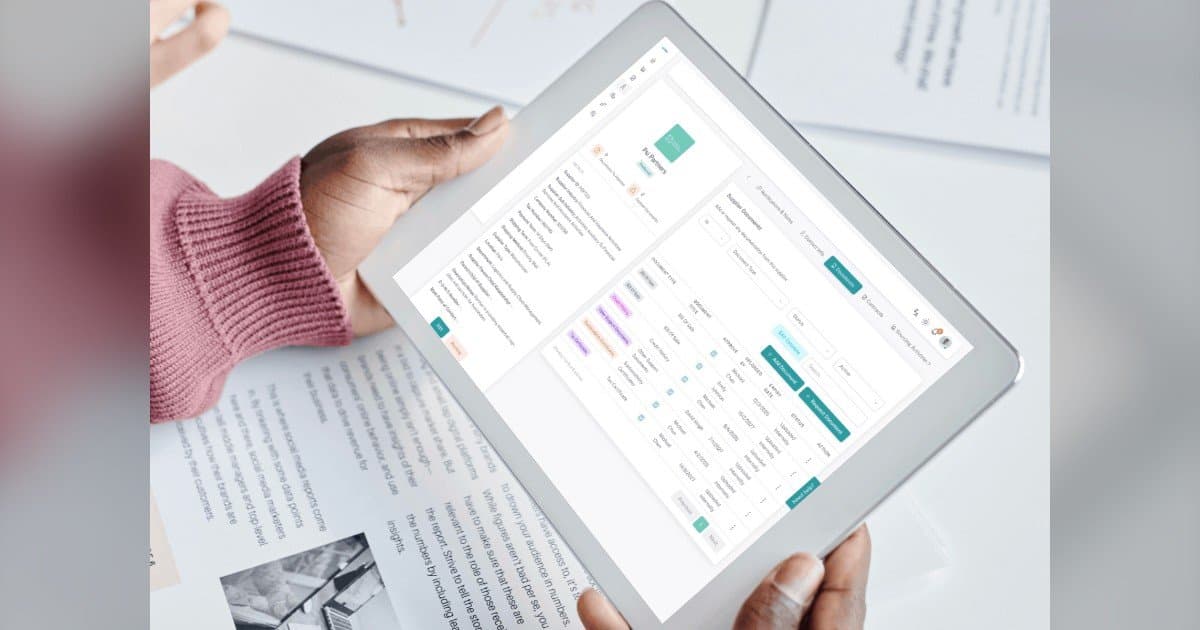
The procurement industry faces a fundamental shift as oboloo launches a completely free platform, challenging established legacy systems that have long required six-figure implementation fees and year-long deployment timelines. This move comes during a period of significant supply chain volatility in 2026, where businesses are grappling with fluctuating tariffs and freight costs.
Traditional procurement software, often described as "v1.0" cloud solutions built on outdated on-premises logic, has created barriers for many organizations. oboloo's new model provides what the company calls an "Emergency Infrastructure" at zero cost, enabling companies to stabilize expenses and manage vendor risk immediately. The platform is engineered from the ground up on a modern technology stack, bringing the user experience and agility of contemporary CRM systems to procurement.
"The procurement industry is famously stuck in a time warp, running on rigid, legacy systems inspired by 20-year-old on-premise logic," said James Lancaster, Co-founder of oboloo. He emphasized that in a year where costs can swing by 30%, businesses cannot afford to wait twelve months for a solution. The platform is designed for deployment in under an hour, dismantling the consultant-led implementation model that has defined the sector.
oboloo's architecture delivers a suite of professional-grade tools accessible through a modern interface. These include a Supplier Management System for handling vendor risk and ESG documentation, a next-generation eSourcing platform for running RFI, RFP, and RFQ events, dynamic contract management software to prevent auto-renewal traps, and procurement savings tracking software to demonstrate value in real-time.
This approach positions oboloo as a market disruptor, granting small and medium-sized enterprises and decentralized teams the same level of control and auditability traditionally reserved for large corporations with substantial budgets. By removing financial and temporal barriers, the platform aims to make strategic sourcing a fundamental, accessible business practice rather than a costly luxury. The availability of a free, modern, and rapidly deployable system could significantly alter how organizations of all sizes manage their supplier relationships and cost structures in an unstable economic climate.