

The Invest Panama Summit, held May 28-30, 2026, in Panama City, revealed that American investors pursuing international real estate are not following a single strategy. Instead, multiple development approaches across different geographic zones and price points appeal to fundamentally different investor profiles, all finding traction simultaneously, according to organizers.
The three-day summit brought twelve investors from across North America to tour five major development zones. What emerged from the visits was clear market segmentation: gated residential communities attract one demographic, beachfront developments attract another, and urban revitalization projects appeal to a third. Each segment found a compelling opportunity, suggesting Panama's real estate ecosystem serves varied investor motivations rather than a narrow niche.
"We had people kind of zeroing in on different projects that spoke to them," said Steve Luther, partner at CHORD Real Estate, which organized the summit. "But they all in general loved everything."
Market positioning strategies varied by zone. Santa Maria and the Bosco development draw investors prioritizing gated security, amenity clustering, and resort-style living. The 284-hectare community positions itself around lifestyle features—an 18-hole Jack Nicklaus golf course, privacy-focused architecture, and varied price points. Playa Caracol and Amador Causeway appeal to investors interested in coastal scarcity. Over seven miles of white sand beach near Panama City with limited developed coastline in the region creates the kind of entry-point opportunity investors often miss in established markets. Margaritaville and competing projects signal institutional confidence in the area's development trajectory. Casco Viejo's historic old town draws investors envisioning eventual relocation or retirement, with walkable streets, colonial architecture, and established community life creating different appeal than pure investment-return calculations.
What distinguished summit attendees from remote researchers was direct professional exposure. Investors met real estate agents, developers, attorneys, and property managers. Luther emphasized the difference between research and relationship: "I don't suggest wiring a bunch of money from a Zoom call. Shake hands, meet the people, get a comfort level, build that trust." This sequential approach—research, then visit, then relationship-building, then capital deployment—reflects how sophisticated investors actually make international decisions.
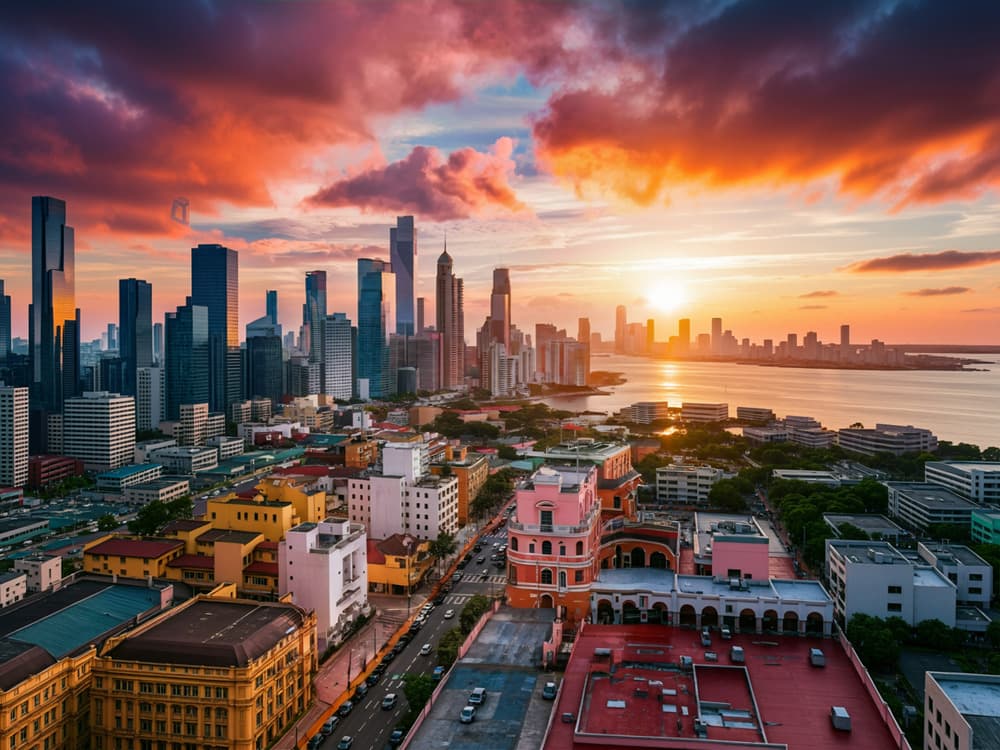
Panama City's infrastructure and professional environment surprised attendees accustomed to more limited development in Central American destinations. Modern high-rises, multinational corporate presence, global banking operations, and contemporary retail created an environment investors characterized as cosmopolitan rather than emerging-market basics. This infrastructure reality matters because it affects both investment feasibility and lifestyle appeal. Investors can work with familiar professional standards, and those considering eventual relocation encounter amenity levels comparable to American metropolitan areas.
The summit's success prompted CHORD to consider additional events. Potential September timing would coincide with team birthday celebrations and whale-watching season. January or February alternatives would capitalize on Panama's dry season and appeal to American investors seeking winter escape. The constraint remains logistical: the twelve-investor cohort worked because helicopter excursions, personalized property tours, and professional meetings remain manageable at that scale.
What the summit revealed is that Panama's development pipeline appeals across investor demographics simultaneously. Rather than a single market thesis, the country offers multiple parallel opportunities. That diversification suggests market depth beyond initial hype. Several summit attendees entered serious contract discussions, and others expressed interest in future events, indicating organic momentum that may accelerate Panama's market discovery phase.
