

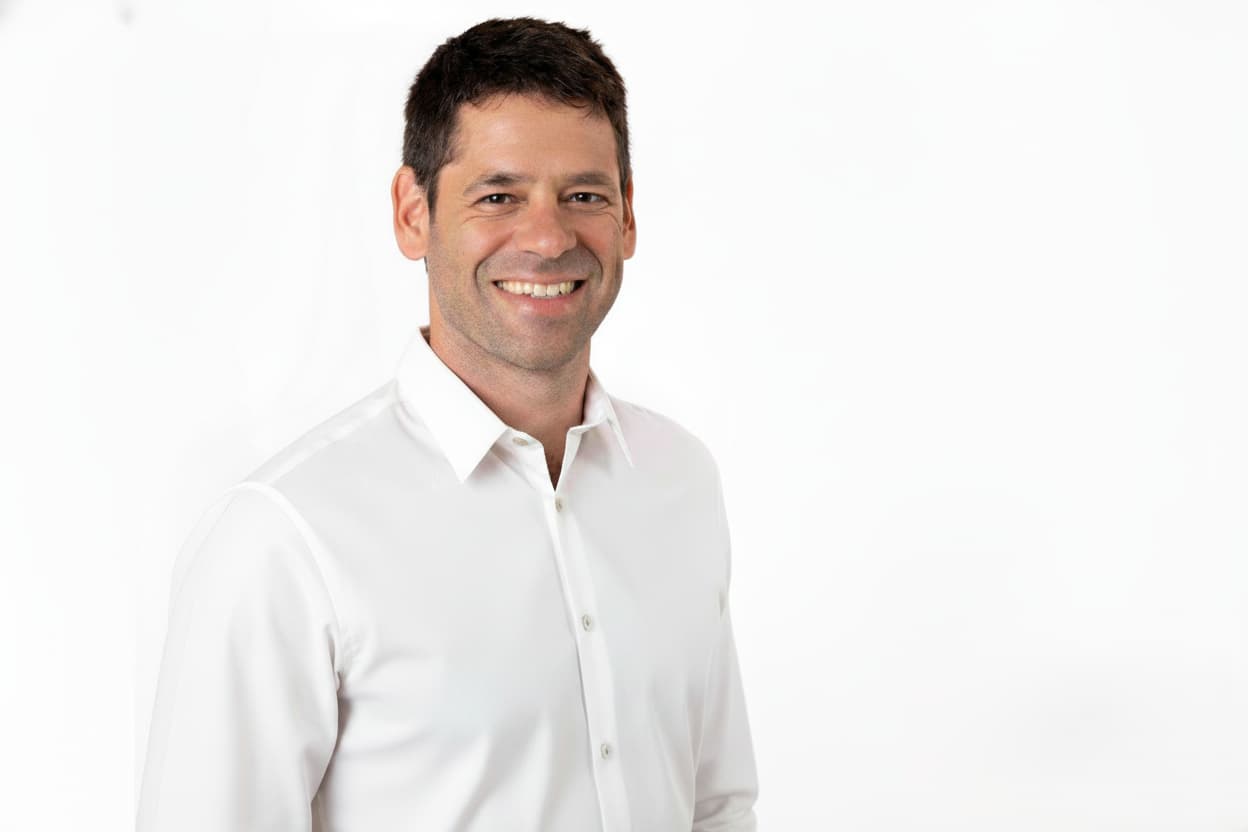
Yuval Shram, founder and CEO of TAY Investments, shared his long-term vision for multifamily real estate on the Mr. Deed Podcast, emphasizing a patient approach and wellness-driven development. With over 1,550 residential units and a market value exceeding $475 million across North America and Europe, Shram's philosophy stands in contrast to the short-term flip cycles common in the industry.
Shram entered real estate during the 2008 financial crisis, starting with small residential properties like duplexes and fourplexes. His incremental approach—'step by step'—allowed him to build a substantial portfolio over 15 years. He advises against trying to time the market, stating, 'Sometimes the waves are high, sometimes the waves are low. You just got to be in the water. If you’re in the water long enough, you’ll catch the right wave.'
Central to TAY's strategy is a 'forever hold' mentality. Shram evaluates every acquisition through a multigenerational lens, asking whether he would be comfortable leaving the building to his children. This leads to investments in quality materials and proactive maintenance, as 'every corner you cut is going to bite you eventually.'
Perhaps the most innovative element is the 'Sanctuary' amenity concept, featured at Hue Soul, a 116-unit development in East Orange, New Jersey. Inspired by a hotel experience in Thailand, the Sanctuary combines a gym, dry and wet sauna, cold plunge, and outdoor pool in a single wellness hub. Shram believes that healthy, happy tenants are long-term tenants, and that community-building through shared wellness spaces reduces turnover. 'You wake up, you take care of yourself, you go to work as a better version of yourself. Everybody wins,' he said.
For aspiring entrepreneurs, Shram advises to 'walk your own path,' resisting the urge to copy competitors or chase trends. Consistency compounds over time, he argues. The full interview is available on the Mr. Deed Podcast.
The implications of Shram's approach are significant for the rental housing market. As developers seek to attract and retain tenants in a competitive environment, wellness amenities could become a key differentiator. Moreover, the 'forever hold' model prioritizes long-term value over short-term gains, potentially leading to higher-quality housing stock and more stable communities. For investors, Shram's emphasis on being 'in the water' rather than timing the market offers a counterintuitive but proven strategy for building wealth over generations.
