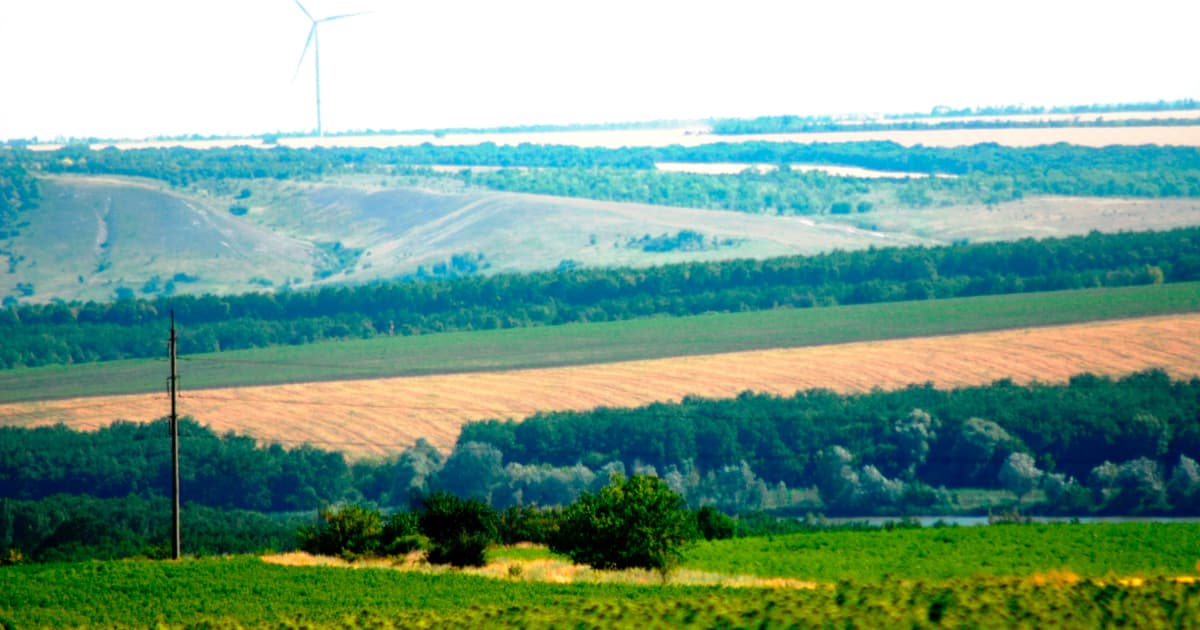
The PNE Group received necessary permits under the German Federal Immission Control Act (BImSchG) during the fourth quarter of 2025 for two wind energy projects in Germany. These permits cover the construction and operation of the 'Am Heilborn' wind farm in Thuringia and the repowering of the 'Hassendorf' wind farm in Lower Saxony.
For the Thuringian wind farm 'Am Heilborn', which consists of sections 'Am Heilborn I' and 'Am Heilborn II', five Vestas V172 wind turbines with a nominal output of 7.2 MW each are planned. This installation will achieve a total nominal output of 36.0 MW. PNE also received the second partial permit for the repowering of the Hassendorf wind farm, concerning another Vestas V150 wind turbine with a nominal output of 6 MW. Two turbines of the same type had already been permitted in June 2025, making the project fully permitted with three turbines and a total nominal output of 18 MW.
With a combined installed nominal output of 54 MW, these wind farms will be able to cover the annual electricity needs of approximately 24,600 three-person households once operational. This represents a significant contribution to sustainable energy supply and the implementation of Germany's energy transition in these regions. Roland Stanze, COO of PNE AG, stated that these permits demonstrate the company's expertise in complex permit procedures and lay the foundation for expanding generation capacities and commitment to an economical and sustainable energy transition.
The importance of this development lies in its contribution to Germany's renewable energy targets and climate goals. As Germany continues its Energiewende (energy transition) away from fossil fuels, projects like these provide tangible progress toward reducing carbon emissions and increasing energy security. The electricity generated will displace fossil fuel-based power generation, directly reducing greenhouse gas emissions equivalent to powering thousands of households with clean energy.
For the renewable energy industry, successful permit acquisition for projects of this scale demonstrates that regulatory processes can be navigated effectively, potentially encouraging further investment in wind energy development. The repowering aspect of the Hassendorf project is particularly noteworthy as it represents the replacement of older turbines with newer, more efficient models on existing sites, maximizing energy output from already-developed locations. More information about the company's activities can be found at https://www.pnegroup.com.
These projects contribute to energy diversification and price stability by adding renewable capacity to the grid, which can help mitigate the volatility of fossil fuel markets. For residents in the affected regions, the projects represent local economic development through construction jobs and potential community benefits, while all German electricity consumers benefit from increased renewable generation in the national grid mix. The permits represent a critical step toward actual construction and operation, moving these projects from planning to implementation phase.