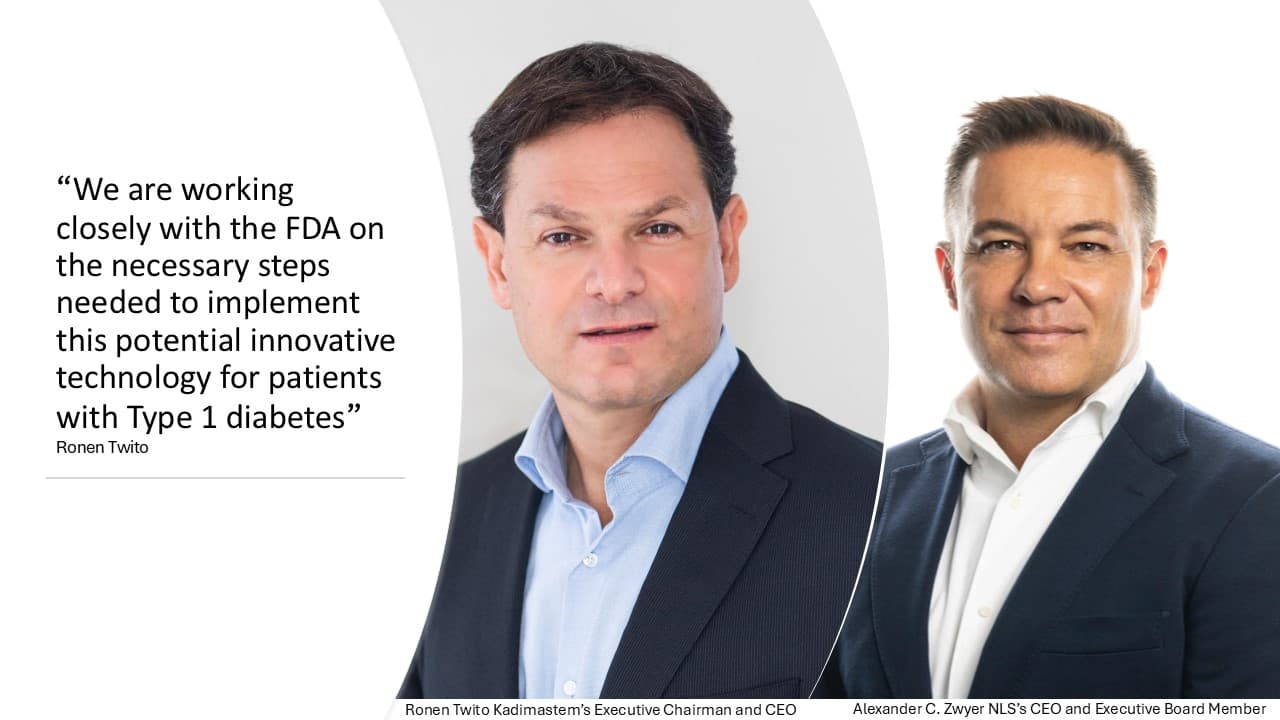
Medical researchers at Kadimastem and iTolerance have achieved a significant milestone in developing a potential cure for Type 1 Diabetes after successfully completing a pre-IND meeting with the U.S. Food and Drug Administration. The collaborative project, known as iTOL-102, represents a groundbreaking approach to treating the chronic autoimmune disease by combining stem cell-derived pancreatic islets with an innovative immunomodulator technology.
The investigational biologic therapy, developed through a joint research initiative, aims to provide a transformative treatment that could eliminate the need for lifelong immune system suppression in Type 1 Diabetes patients. During preclinical testing at the Diabetes Research Institute, the therapy demonstrated promising results, including functional insulin release and disease reversal in animal models.
Key to the therapy's potential success is the unique combination of Kadimastem's IsletRx cells - human stem cell-derived pancreatic islets capable of producing insulin - and iTolerance's immunomodulatory microgel technology, iTOL-100. This approach could address two critical challenges in current diabetes treatments: the limited availability of donor islets and the requirement for chronic immunosuppression following cell transplantation.
The FDA's pre-IND meeting provided critical guidance for the research teams, who are now updating their development plans to include a safety toxicology study and preparation for a first-in-human clinical trial. The regulatory feedback represents a significant step toward potentially bringing this innovative treatment to patients with Type 1 Diabetes.
The collaborative effort, partially funded by grants from the Israel-U.S. Binational Industrial Research and Development Foundation, underscores the potential of interdisciplinary research in developing advanced medical therapies. By combining stem cell technology with targeted immunomodulation, the research teams hope to offer a more effective and less invasive treatment option for the millions of individuals worldwide living with Type 1 Diabetes.
As the project moves forward, the medical and scientific communities will be closely watching the development of iTOL-102, which could represent a paradigm shift in how autoimmune diseases are treated. The potential to provide a cure that does not require lifelong medication and reduces the significant health challenges associated with chronic immunosuppression offers hope for patients and healthcare providers alike.