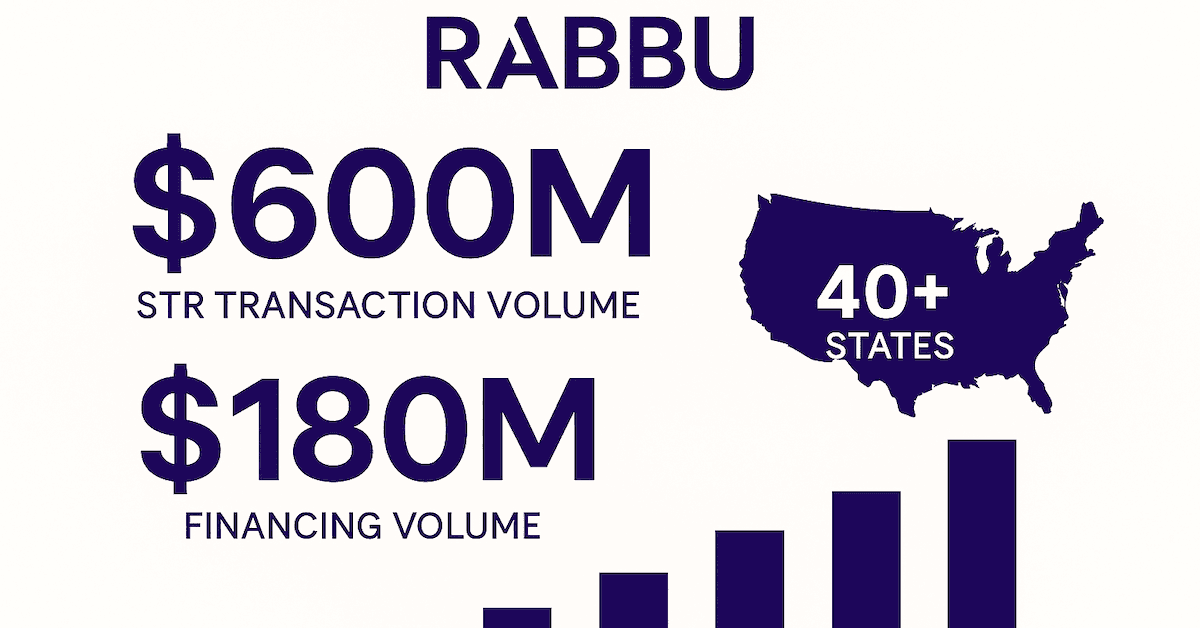
The short-term rental investment market has reached a significant milestone with Rabbu, a leading marketplace for short-term rental property transactions, announcing it facilitated more than $600 million in real estate deals and $180 million in loan originations in 2025. This growth marks a fundamental shift in how investors approach short-term rental properties, which are transitioning from individual side hustles to a recognized investment class requiring specialized analytics and financing unavailable on traditional real estate platforms.
"We're witnessing the professionalization of an asset class," said Emir Dukic, CEO of Rabbu. "What was once a fragmented market of individual Airbnb hosts is becoming a sophisticated investment category with specialized platforms, data models, and financing products." The company's 2025 growth reflects broader investor demand for turnkey Airbnb investment opportunities with established booking histories, predictable cash flow analysis based on real-time income projections, specialized financing products designed for STR economics, and market transparency regarding occupancy rates and seasonal demand patterns.
Rabbu's platform provides access to exclusive Airbnb inventory, real-time income projections, occupancy modeling, and verified revenue histories—data points absent from residential-focused platforms. The platform expanded its STR-specialized agent network to more than 40 states in 2025 and released new underwriting tools integrating property-level performance data with market analytics. Economic uncertainty throughout the year pushed investors toward income-generating assets with verifiable performance metrics, with short-term rentals offering dynamic pricing flexibility and increased revenue potential compared to traditional rental properties with fixed lease terms.
"Investors are moving beyond gut instinct," Dukic noted. "They want lender-ready reports, historical comps, and confidence in their underwriting before committing capital." This maturation of the market represents a significant development for both individual investors and the broader real estate industry, as specialized platforms like Rabbu create new standards for transparency and data-driven decision making in a sector that previously operated with limited information. The availability of specialized financing products through platforms like rabbu.com further legitimizes short-term rentals as a distinct asset class with unique financial characteristics and risk profiles.
The implications of this market maturation extend beyond individual investment decisions to affect local housing markets, regulatory approaches to short-term rentals, and the evolution of real estate technology platforms. As investors gain access to sophisticated analytics and financing previously reserved for traditional real estate investments, the short-term rental sector is likely to see increased institutional participation and more standardized valuation methods. This professionalization also creates new opportunities for real estate professionals who specialize in short-term rental transactions and for lenders developing products tailored to this emerging asset class.