The American Stroke Association is drawing national attention to stroke prevention and awareness during American Stroke Month, emphasizing that approximately 80% of strokes may be preventable through proactive health management and risk factor screening.
Strokes occur when blood flow to the brain is interrupted, causing brain cells to die from oxygen deprivation. While anyone can experience a stroke, certain populations face higher risks, particularly Black and Hispanic adults who encounter disproportionately elevated stroke rates due to factors including high blood pressure, obesity, and diabetes.
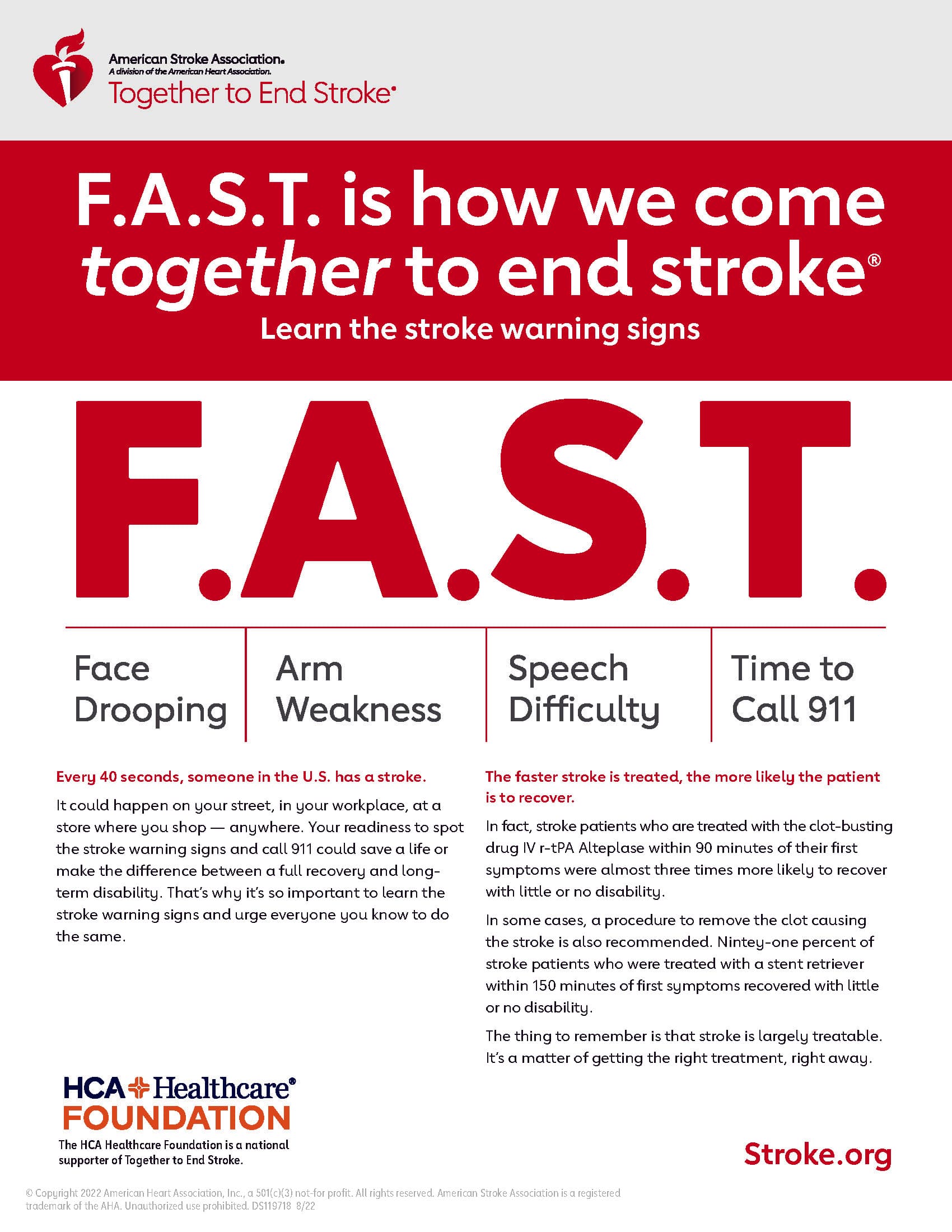
Medical professionals recommend using the F.A.S.T. method to quickly identify potential stroke symptoms: Face drooping, Arm weakness, Speech difficulty, and Time to call emergency services. Recognizing these signs can dramatically improve survival and recovery chances by enabling rapid medical intervention.
Prevention strategies are crucial in reducing stroke risks. Experts suggest managing blood pressure, maintaining a healthy lifestyle, monitoring chronic health conditions, and addressing cardiovascular risk factors. Nearly half of U.S. adults have high blood pressure, with many unaware of their condition, underscoring the importance of regular health screenings.
Stroke survivors face significant challenges, with nearly one in four experiencing a subsequent stroke. The American Stroke Association recommends comprehensive medical follow-up, including testing to identify initial stroke causes and developing personalized prevention strategies.
By raising awareness and providing education, the American Stroke Association aims to empower individuals to take proactive steps in stroke prevention and recognition, potentially saving lives and improving long-term health outcomes.