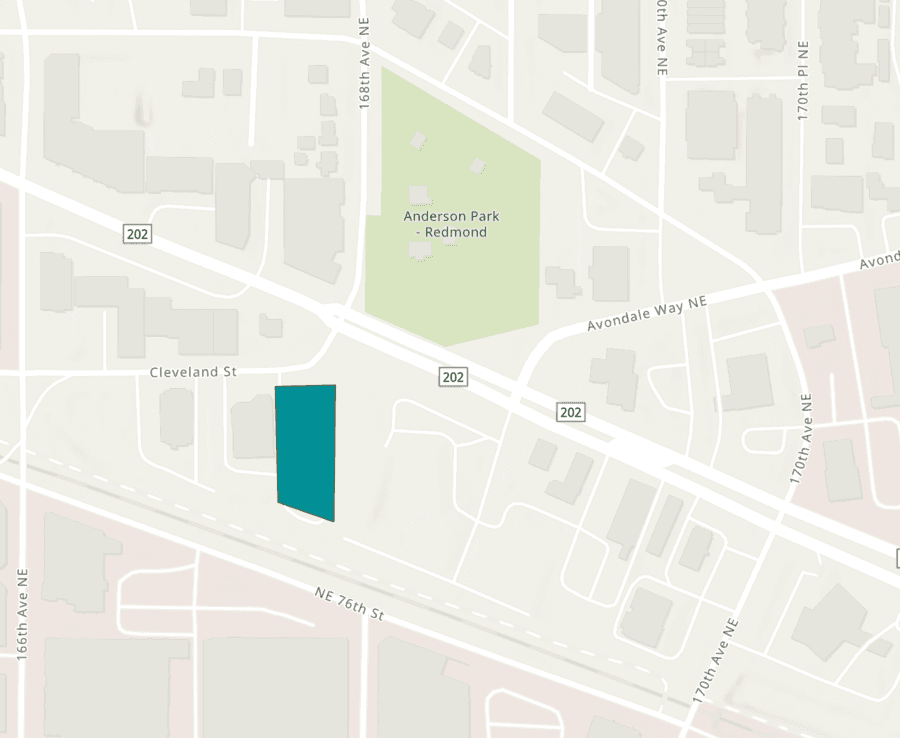
Redmond, Washington residents are voicing strong opposition to a proposed homeless housing development's parking plan, highlighting concerns about the project's potential impact on the local community. Plymouth Housing has requested that the City of Redmond waive zoning code requirements and allow for no residential parking in its planned mixed-use development in downtown Redmond, which would include 100 residential units, commercial space, and offices.
The proposal, which includes only four parking spaces for the entire development, has drawn criticism from community members who argue that it falls far short of the city's zoning requirements and could exacerbate existing parking issues in the Anderson Park area. According to the Redmond Zoning Code, mixed-use residential units typically require a minimum of 1.25 parking stalls per unit, while commercial spaces need at least 2 stalls per 1,000 square feet.
Attorney Mark Lamb, representing concerned residents, has challenged the city's intention to issue a Determination of Non-Significance (DNS) for the proposal. Lamb argues that there is no legal precedent for finding no significant impact on parking with a project of this scale providing only four parking spots. He contends that a Determination of Significance (DS) must be issued, and an Environmental Impact Statement (EIS) should be required due to the project's probable significant adverse impact.
The community's concerns extend beyond parking issues. Residents are also calling for proper assessment and mitigation of seismic and water contamination risks, given the site's location within a liquefaction susceptibility area and the city's Critical Aquifer Recharge Area. Additional demands include noise abatement measures, public safety assurances, and rigorous green building certification.
This controversy highlights the complex challenges cities face in balancing the need for affordable and supportive housing with community concerns and existing zoning regulations. The outcome of this dispute could set a precedent for future development projects in Redmond and potentially influence how other cities approach similar housing initiatives.
Community group Safe Eastside has proposed a compromise, suggesting that the project should provide at least 41 parking spaces based on the parking ratio of a similar Plymouth Housing development in Bellevue. This proposal aims to strike a balance between the developer's cost-saving goals and the community's parking concerns.
The City of Redmond's Technical Review Committee, led by Planning and Community Development Director Carol Helland and Public Works Director Aaron Bert, now faces the challenge of addressing these community concerns while considering the urgent need for supportive housing. Their decision could have far-reaching implications for future urban development in Redmond and potentially set a precedent for how cities navigate the complex interplay between affordable housing initiatives and community planning.
As this situation unfolds, it underscores the importance of community engagement in urban planning processes and the need for transparent decision-making in municipal governments. The resolution of this dispute may influence how other cities approach similar housing projects, balancing the need for cost-effective solutions with community concerns and existing zoning regulations.
The outcome of this controversy could also impact future discussions about urban density, parking requirements, and the integration of supportive housing into established neighborhoods. As cities across the country grapple with housing affordability and homelessness, the Redmond case may provide valuable insights into the challenges and potential solutions for creating inclusive urban environments that meet the needs of all residents.