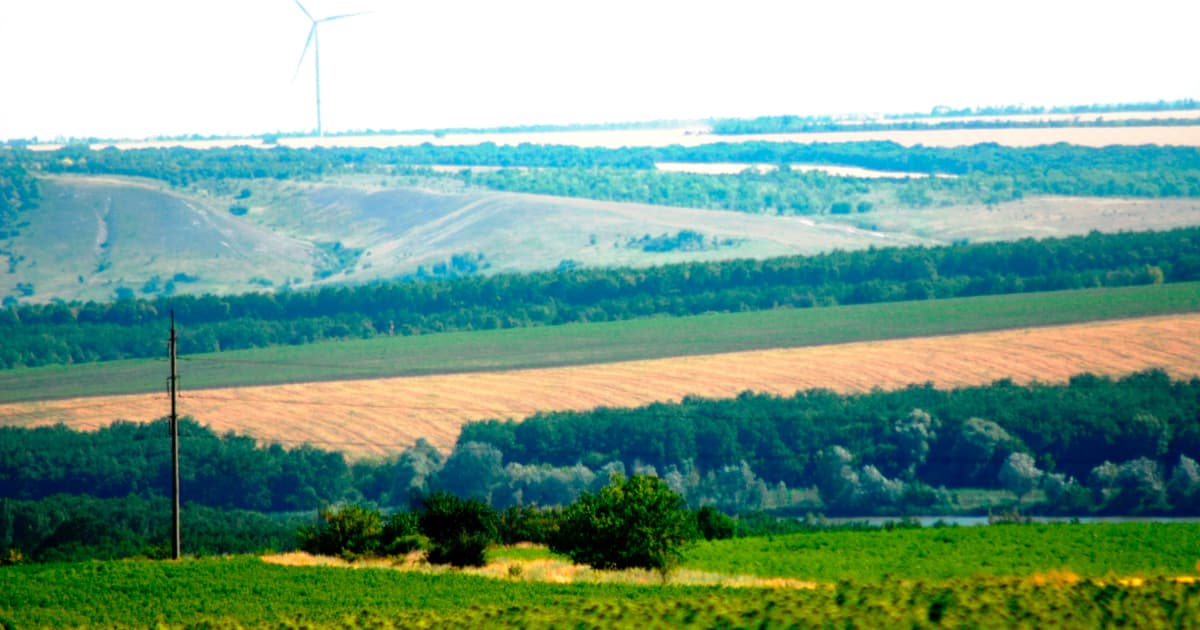
The global transition to clean energy represents a critical response to climate change, yet renewable infrastructure development poses increasing threats to wildlife ecosystems. Large-scale solar panel arrays displace native species, rotating wind turbine blades strike flying animals, and river barriers for hydropower destroy aquatic ecosystems. This creates significant tension between the urgent need to cut emissions and the equally important goal of protecting natural habitats.
As nations push to meet international climate commitments, the conflict between environmental protection and energy development becomes more pronounced. The rapid expansion of renewable energy facilities often comes at the cost of disrupting local ecosystems and wildlife populations. However, emerging strategies demonstrate that careful planning and innovative approaches can deliver both climate benefits and ecological protection simultaneously.
Companies focusing on the energy transition through alternative approaches offer practical solutions for renewable energy adoption without extensive ecological disruption. Organizations like GeoSolar Technologies Inc. that leverage existing infrastructure such as roof cover provide pathways to clean energy implementation that minimize habitat destruction. These approaches represent important alternatives to large-scale ground-mounted renewable installations that require significant land use changes.
The challenge lies in balancing the global imperative to transition away from fossil fuels with the need to protect vulnerable ecosystems and species. As detailed by specialized communications platforms like GreenEnergyStocks, companies working to shape the future of the green economy must navigate these complex environmental trade-offs. The platform, part of the Dynamic Brand Portfolio that delivers comprehensive corporate communications solutions, highlights how innovative approaches can address both climate and conservation concerns.
This dual focus on climate action and ecological protection matters because it addresses the interconnected nature of environmental challenges. Climate change itself represents a massive threat to global biodiversity, making rapid decarbonization essential. Yet if renewable energy development proceeds without careful consideration of ecological impacts, it could undermine the very environmental goals it seeks to achieve. The integration of conservation principles into renewable energy planning ensures that climate solutions don't come at the expense of ecosystem health.
The implications extend across multiple sectors and stakeholders. For energy developers, this means incorporating wildlife protection measures into project designs from the earliest planning stages. For policymakers, it requires developing regulations that encourage renewable energy while mandating ecological safeguards. For communities, it means participating in energy planning processes to ensure local ecosystems receive adequate protection. The comprehensive approach outlined by platforms including the full terms available at GreenEnergyStocks emphasizes the importance of balanced environmental stewardship.
As the world accelerates its transition to clean energy, finding ways to minimize ecological harm becomes increasingly crucial. The strategies emerging from companies and research institutions show that with proper planning, technological innovation, and regulatory frameworks, we can achieve climate goals while protecting the natural world. This balanced approach represents the future of sustainable energy development, where environmental protection and clean energy advancement work in concert rather than conflict.