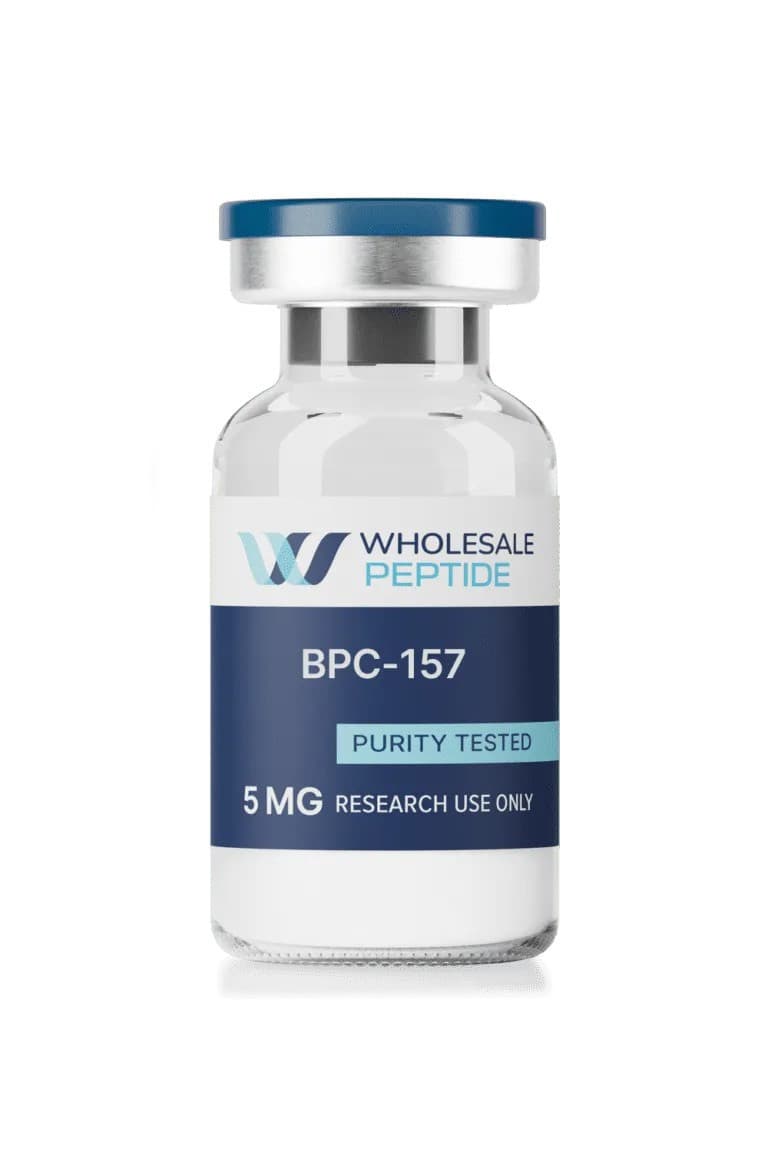
Research peptides, specific sequences of amino acids serving as molecular instruments for examining signaling pathways and biological mechanisms, require rigorous quality control measures to ensure scientific validity. These peptides function as ligands, substrates, or modulators that enable researchers to detect biological effects with molecular accuracy, making purity verification before use essential to prevent misleading experimental data.
The classification of research peptides depends on their experimental applications. Signaling peptides act as receptor agonists or antagonists to study cellular pathway activation, while regenerative peptides aid in tissue repair and wound healing investigations. Metal-binding peptides, including copper complexes, influence biomarkers in biological assays, and growth hormone-related peptides study endocrine system dynamics. Other modulators like melanocortins find applications in metabolic, pigmentation, or behavioral research, with peptide selection requiring consideration of experimental models and necessary chemical modifications.
Quality verification begins with analytical data review using high-performance liquid chromatography to quantify chromatographic purity and identify truncated or modified variants. Mass spectrometry provides additional confirmation of molecular mass and expected adducts, with the combination of both methods enhancing confidence in peptide identity. Researchers should obtain lot-specific certificates of analysis including HPLC and MS data, declared purity percentages, and storage recommendations. When available, high-resolution LC-MS offers comprehensive verification of amino acid composition, sequence, and impurity content.
Procurement options include catalog peptides for pre-manufactured sequences with quick turnaround and custom synthesis for new sequences or specialized modifications. Custom synthesis allows specification of purification strategies to minimize truncation and side-products, though it involves longer lead times and higher costs. Supplier evaluation requires assessment of documentation, manufacturing practices, and traceability, with suppliers based in the USA offering advantages in shipping speed and technical support accessibility through https://wholesalepeptide.com.
Proper handling and storage are vital for maintaining peptide integrity, with lyophilized peptides requiring -20°C storage with desiccant and light protection. After reconstitution, aliquoting into single-use vials prevents repeated freeze-thaw cycles, while maintaining comprehensive logs tracks lot numbers and storage conditions. Online procurement workflows should confirm declared purity and COA availability before ordering, with institutional purchase orders enhancing traceability and small test quantities validating peptides in sensitive assays before larger purchases.
The importance of these quality control measures extends beyond individual experiments to the broader scientific community, where reproducible results depend on properly characterized research materials. Inadequate peptide quality can compromise years of research and misdirect scientific understanding of biological processes, making rigorous verification protocols essential for advancing knowledge in fields ranging from endocrinology to regenerative medicine.