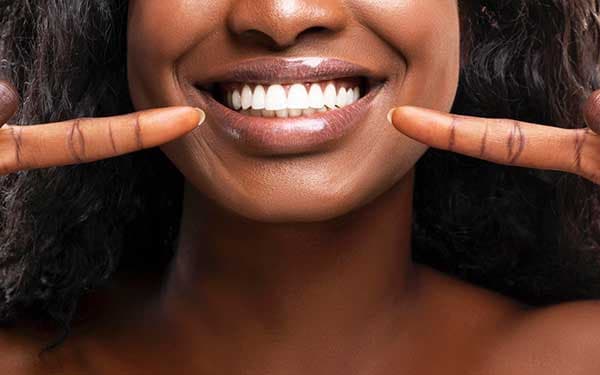
Modern dental technology is revolutionizing smile restoration through same-day dental crown procedures that address both functional and emotional impacts of damaged teeth. According to recent content from Definition Dental and Wellness Spa, individuals with damaged or unsightly teeth often hide their smiles, avoid photographs, and experience daily erosion of confidence, making accessible treatment options crucial for overall well-being.
The traditional dental crown process typically involves multiple appointments over several weeks, requiring messy impressions, temporary crowns, and external laboratory fabrication. Dr. Tiffanie Garrison-Jeter, owner of Definition Dental and Wellness Spa, notes that many patients delay treatment due to the time commitment and inconvenience of this multi-visit approach, stating that damaged teeth affect more than just dental function but also self-esteem and social interactions.
The alternative solution utilizes advanced CAD/CAM (Computer-Aided Design and Computer-Aided Manufacturing) technology to complete the entire process in a single appointment. The streamlined approach begins with digital scanning using a handheld camera that captures precise 3D images of the tooth, eliminating uncomfortable impression molds. The dentist then designs the crown on a computer beside the patient, allowing for meticulous adjustments to ensure perfect fit and natural bite alignment.
An in-house milling machine crafts the permanent crown from high-quality porcelain blocks custom-matched to the patient's tooth shade, followed by immediate placement and bonding during the same visit. This technology, detailed at https://www.definitiondentalstudio.com, represents a significant advancement in dental care delivery, providing patients with durable, natural-looking restorations without the need for temporary crowns or follow-up appointments.
The implications of this technological advancement extend beyond convenience, offering psychological benefits by restoring confidence and social comfort quickly. Patients can avoid taking additional time off work and experience immediate improvement in both dental function and appearance. The precision of digital design and on-site fabrication ensures superior fit and aesthetics compared to traditional methods, with porcelain crowns lasting many years with proper care including regular brushing, flossing, and dental checkups.
This development matters because it addresses a critical barrier to dental care—time commitment—while providing higher quality outcomes through controlled, office-based manufacturing. The technology demonstrates how digital innovation is transforming healthcare delivery, making essential treatments more accessible and effective for patients seeking both functional restoration and confidence renewal.