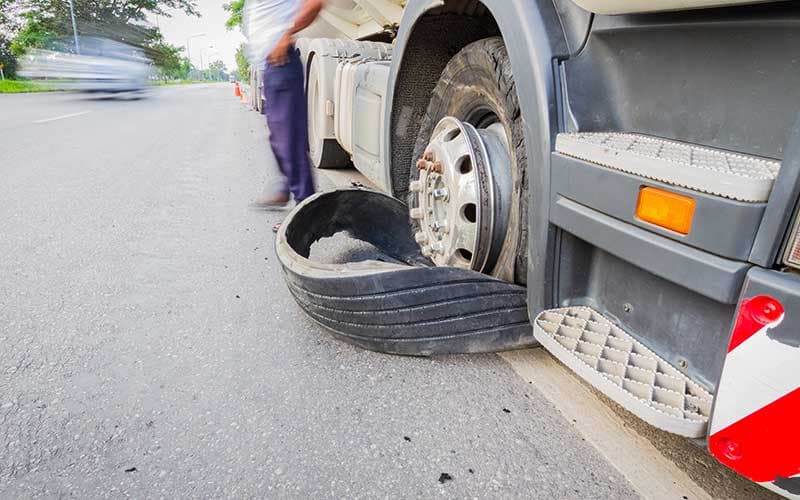
Semi-truck tire blowouts create immediate and severe hazards on Georgia highways, transforming routine travel into chaotic and potentially fatal events. A recent analysis explores the intricate web of responsibility when these failures occur and underscores the preventable nature of most incidents. The piece, titled "Semi Truck Tire Blowout Accidents: Who’s Liable in Georgia?" from a Georgia truck accident law firm, scrutinizes the causes and legal ramifications of these dangerous situations.
These blowouts are rarely simple mechanical failures; they often result from a combination of factors including underinflated tires, worn tread, overloading, poor repairs, or manufacturing defects. Even striking a pothole can be the final stressor for a compromised tire. The Federal Motor Carrier Safety Administration (FMCSA) mandates strict maintenance, inspection, and recordkeeping protocols for commercial vehicles, but these regulations are only effective when rigorously followed by companies and drivers.
Determining fault after a crash is complex, as liability may extend to multiple parties including the truck driver, the trucking company, maintenance personnel, or the tire manufacturer. Georgia Big Truck Lawyer Charles Graham notes that these accidents frequently reveal deeper systemic issues. "These accidents usually tell a story of what went wrong long before the crash," he said. "It might be skipped maintenance, ignored warning signs, or poor oversight that set the stage for disaster."
The human cost is profound. Injuries from collisions caused by tire blowouts often involve severe spine and head trauma, crushed limbs, and broken bones, with many victims facing long-term or permanent disability. In tragic cases, families are left to pursue wrongful death claims under Georgia law. The state's comparative fault rule further complicates recovery for victims, as those judged to bear more than half the responsibility may be barred from receiving damages, a legal nuance insurance companies may exploit.
This underscores the critical importance of promptly gathering evidence such as tire fragments, maintenance logs, and data from the truck's electronic control module. Prevention, however, remains the paramount concern. Consistent tire inspections, accurate load management, and adherence to maintenance schedules are essential, yet often overlooked, disciplines within the trucking industry. The analysis positions these blowouts not as random misfortunes but as indicators of broader safety lapses in commercial trucking operations. For more detailed legal information on this topic, you can visit https://grahamlawga.com/valdosta-personal-injury-lawyer/.
The prevalence of these incidents on Georgia's congested interstates represents a significant public safety issue. They highlight a gap between regulatory standards and real-world practices, with potentially catastrophic consequences for all road users. Understanding the shared responsibility across the trucking supply chain and the legal landscape following an accident is crucial for fostering accountability and, ultimately, preventing future tragedies.