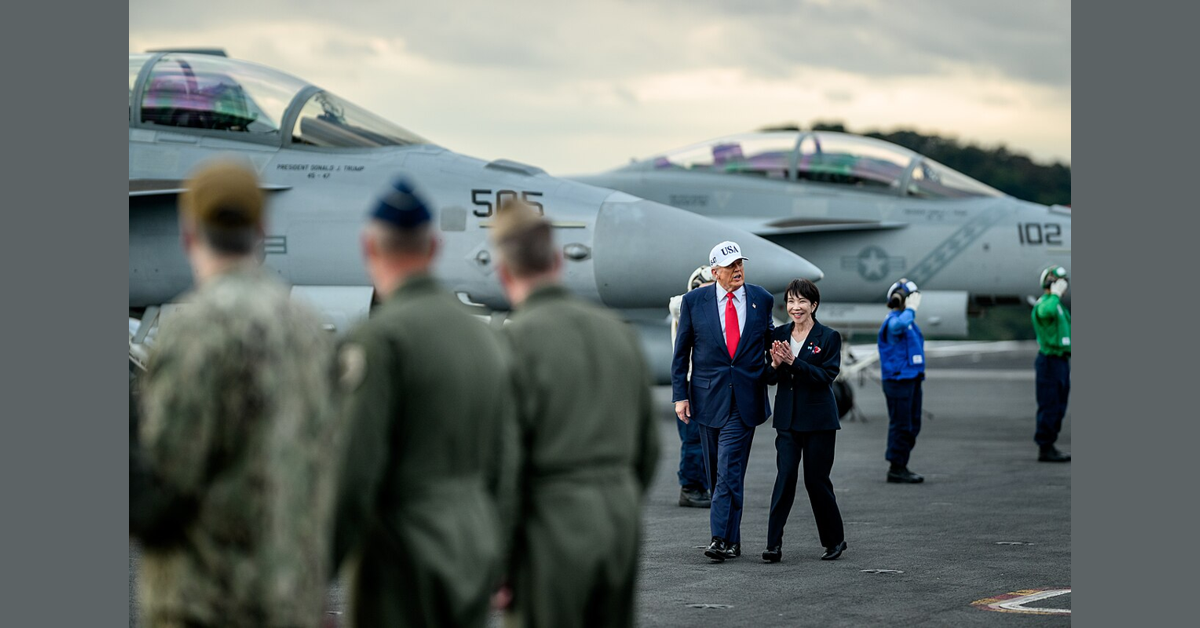
The South China Sea NewsWire has announced a new editorial partnership with United Press International, a global leader in independent journalism, marking a significant expansion of coverage capabilities for one of the world's most strategically important maritime regions. This collaboration comes as Japan's political landscape undergoes a historic transformation with the election of Takaichi Sanae as the country's 104th prime minister and first female leader.
The partnership will feature SCSNW's Commentaries, Special Reports, and Executive Briefings through UPI's distribution network, providing deeper and faster independent coverage to a worldwide audience. This development is particularly significant given the South China Sea's emergence as an epicenter of great-power rivalry, environmental stress, high-stakes seabed energy exploration, and increasing militarization. The region's strategic importance continues to grow as competing territorial claims and resource disputes intensify among neighboring nations.
The timing of this media partnership coincides with potential geopolitical shifts stemming from Japan's new leadership. Prime Minister Takaichi, though nominally heading the Liberal Democratic Party, brings a hawkish security posture and embrace of expanded fiscal spending that could drive a major rightward turn in Tokyo's foreign policy. These developments could have ripple effects across the Indo-Pacific maritime chessboard, influencing everything from Taiwan Strait crisis planning to defense integration with the United States.
SCSNW's coverage, now amplified through the UPI partnership available at https://www.upi.com, will be written by the platform's contributors and Editor-in-Chief James Borton, a veteran foreign correspondent with more than three decades of reporting experience in the region. The collaboration extends UPI's Indo-Pacific reporting network while amplifying SCSNW's mission to provide original, authoritative, and on-the-ground insights for policymakers, corporate leaders, and readers seeking clarity in this strategically vital sea.
This expanded coverage capability matters because the South China Sea represents one of the world's most critical maritime corridors, through which trillions of dollars in global trade passes annually. The region's stability directly impacts international shipping, energy security, and global economic stability. As territorial disputes continue and military presence increases, independent journalism becomes increasingly essential for understanding complex geopolitical dynamics that could affect global markets and international relations.
The partnership between these two news organizations represents a commitment to maintaining independent reporting standards in a region where state-controlled media often dominates the narrative. For readers worldwide, this means access to unfiltered analysis and reporting on developments that could shape regional security architecture, influence international law regarding maritime boundaries, and affect global energy markets dependent on the sea's resources.