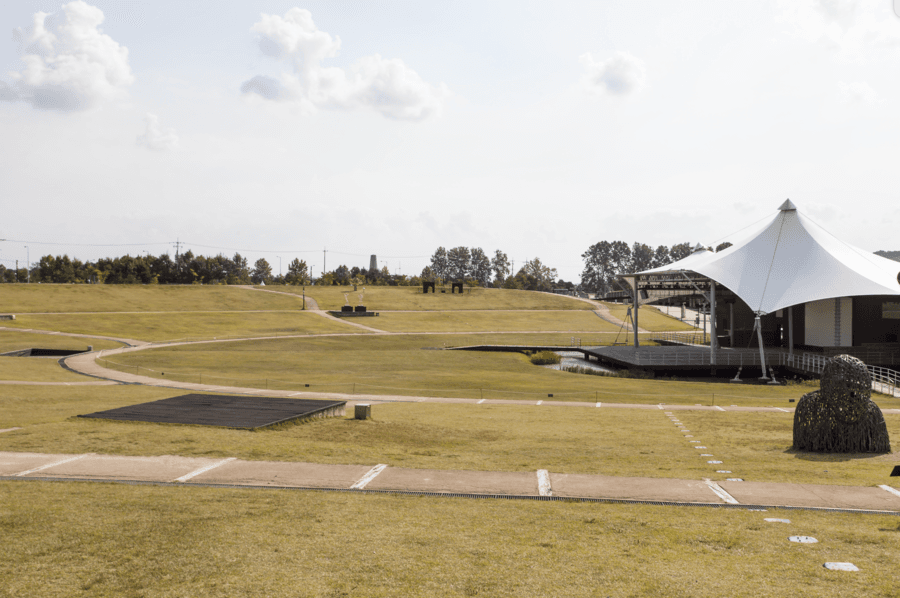
A recent administrative decision by a South Korean government agency has thrust the country into the international spotlight, raising critical questions about religious freedom and tolerance. The Gyeonggi Tourism Organization, affiliated with Gyeonggi Province, abruptly canceled the venue rental agreement for a significant religious event, the "Religious Leaders Forum and Graduation Ceremony," just days before it was set to take place in Paju, South Korea.
The event, jointly organized by the Association for Buddhist National Unification of Korea and the Shincheonji Church of Jesus, was expected to draw over 30,000 attendees from 78 countries, including 1,000 religious leaders representing various faiths such as Christianity, Buddhism, Islam, and Hinduism. The cancellation, which came without advance notice, has not only resulted in substantial financial losses for the organizers but has also been branded as an act of discrimination against specific religious groups.
The organizing bodies claim that they had received official assurances as recently as October 28th that the event would proceed as planned. They argue that the sudden cancellation unfairly targets their groups and violates the principle of church-state separation enshrined in the South Korean Constitution. The organizers further point out that other events scheduled for the same day in the area were allowed to continue, suggesting that external opposition may have influenced the administrative decision.
While the Gyeonggi Tourism Organization cited security concerns related to recent North Korean activities and a planned protest by a North Korean defector group as reasons for the cancellation, critics argue that this explanation falls short. They note that other activities, including a civilian bike tour and visits by international tourists to the DMZ, were permitted within the same area on the same day.
This incident has reignited global discussions on religious freedom and tolerance in South Korea. It comes in the context of previous concerns raised by the U.S. State Department's International Religious Freedom Report regarding the treatment of the Shincheonji Church of Jesus and the government's reluctance to approve the construction of a mosque in the country.
The implications of this decision extend beyond the immediate financial and logistical impacts on the event organizers. It raises serious questions about the state of religious freedom in South Korea and the government's commitment to protecting the rights of diverse religious groups. The incident may potentially damage South Korea's international reputation as a democratic nation that upholds human rights and religious freedoms.
Both the Association for Buddhist National Unification of Korea and the Shincheonji Church of Jesus are calling on the South Korean government to reverse the decision and to reaffirm its commitment to religious freedom and human rights. They have also appealed to international organizations to monitor the situation closely and advocate for the protection of religious freedoms in the country.
This controversy serves as a reminder of the delicate balance between security concerns and the protection of fundamental rights in democratic societies. It highlights the need for transparent and fair administrative processes, especially when dealing with matters that impact religious freedoms and international relations. As the global community watches, the South Korean government's response to this situation may set a precedent for how similar issues are handled in the future, not only in South Korea but potentially in other countries grappling with questions of religious tolerance and freedom.