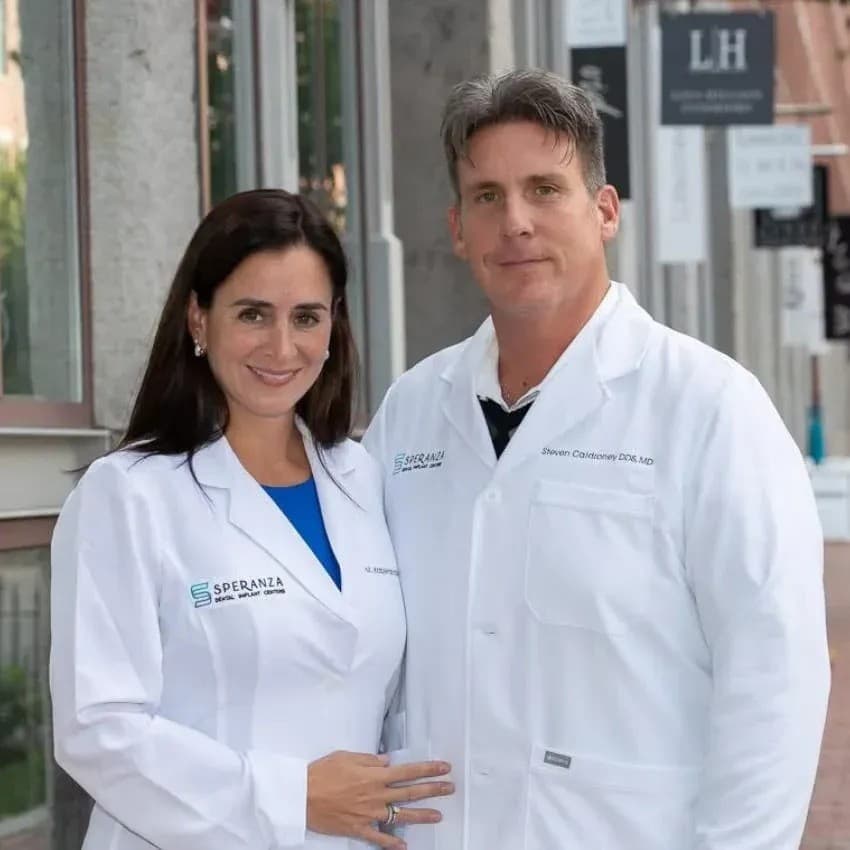
The rise of specialized dental implant clinics represents a significant shift in restorative dentistry, offering patients a more integrated and technologically advanced alternative to traditional, often fragmented, dental care pathways. Speranza Dental Implant Centers exemplifies this model, operating under the leadership of Drs. Melani Kapetanakos and Steve Caldroney, who combine expertise in prosthodontics and oral surgery to manage every stage of the implant process internally. This integrated approach is crucial as it streamlines patient experience, reducing the need to coordinate care across multiple providers, which can lead to delays, miscommunication, and inconsistent treatment quality.
The importance of this specialized care model is underscored by the growing recognition of dental implants as the preferred long-term solution for tooth replacement. Unlike older alternatives such as dentures and bridges, implants are anchored into the jawbone, providing stability and helping to preserve bone structure over time. For patients, this translates to a permanent restoration that functions and feels like a natural tooth, addressing not only aesthetic concerns but also fundamental oral health. The clinic's focus on this gold-standard treatment matters because it directly impacts patient quality of life, self-confidence, and long-term dental health outcomes, moving beyond temporary fixes to offer durable solutions.
Technological precision is a cornerstone of the clinic's methodology, with significant implications for safety and efficacy. The employment of advanced 3D imaging and cone beam computed tomography allows for detailed assessment of bone density and critical anatomical structures before surgery. This technology-driven planning minimizes surgical risks, reduces recovery times, and enhances the predictability of results. For the industry, this sets a new benchmark in patient care, demonstrating how investment in specific technologies can improve standard practices. Patients benefit from a reduced margin for error and procedures tailored to their unique anatomy, which is particularly important for complex cases like full-arch restorations.
Digital treatment planning further distinguishes the clinic's approach. Using sophisticated software, the team designs and visualizes outcomes preoperatively, improving patient understanding and consent. This transparency builds trust and empowers patients in their healthcare decisions. The digital workflow also enhances coordination among the clinical team, ensuring seamless care delivery. Such integration of digital tools is becoming increasingly vital in modern dentistry, influencing how clinics operate and communicate, both internally and with patients.
The clinic's comprehensive service range, including single-tooth replacements and full-arch restorations—sometimes completed in a single day—addresses a wide spectrum of patient needs. The availability of these transformative procedures is important as it provides solutions for individuals who have suffered significant tooth loss and its associated emotional and social impacts. The clinic's attention to the psychological aspects of care, through a compassionate environment and patient education, acknowledges that dental restoration is not merely a clinical procedure but a holistic experience affecting overall wellbeing.
Financial accessibility and a commitment to continuing education are additional factors that underscore the clinic's role in the broader dental landscape. By offering flexible financing, the clinic works to mitigate cost barriers, recognizing that implants are a significant investment. The dedication of Drs. Kapetanakos and Caldroney to ongoing professional development ensures that patient care is informed by the latest advancements, a practice that benefits clinical outcomes and maintains the clinic's position at the forefront of the field. For more details on their approach, visit https://www.speranzadentalimplants.com.
In summary, the emergence of dedicated implant centers like Speranza Dental Implant Centers highlights an important evolution in dental care, where specialization, technology integration, and patient-centered models converge to improve treatment standards. This matters for patients seeking reliable, advanced solutions for tooth loss and for the dental industry as it adapts to higher expectations for care coordination and technological application in restorative procedures.