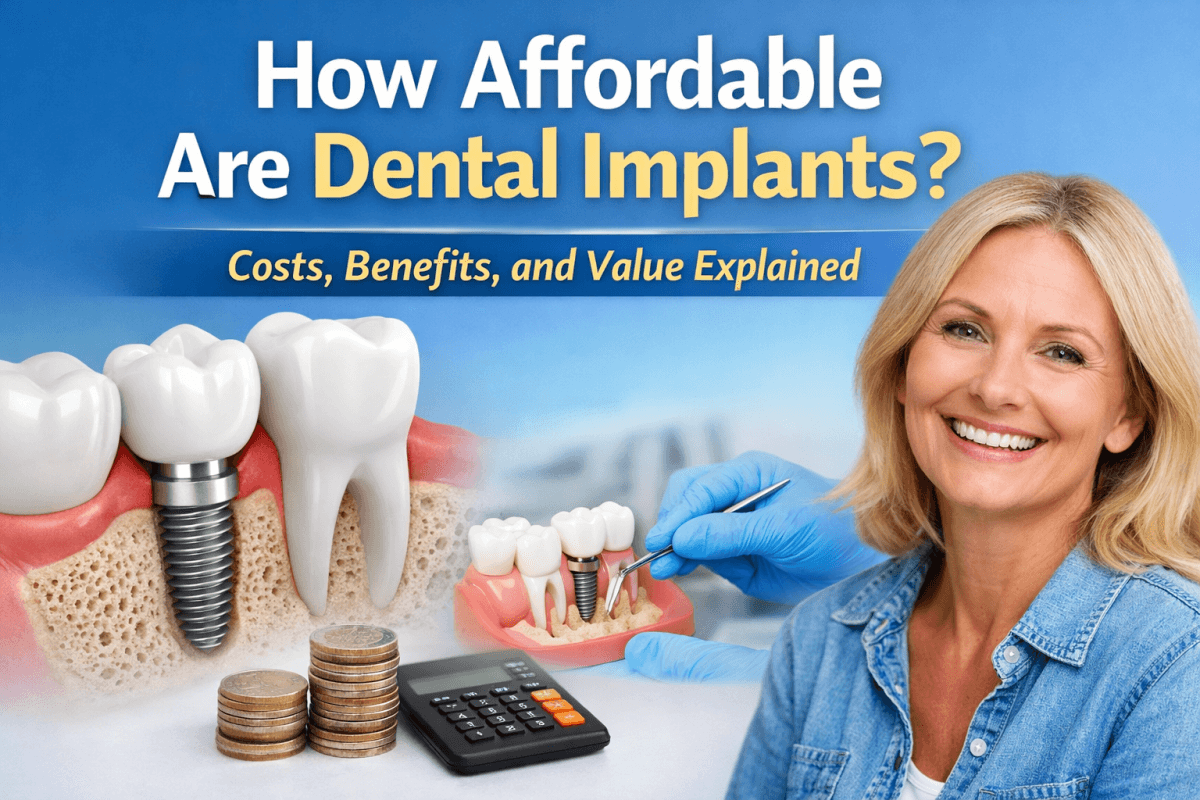
Dental implants represent a significant investment in oral health, yet their high cost often deters patients from pursuing treatment. Understanding how to obtain affordable implants without compromising quality is crucial for those seeking to address tooth loss while managing expenses effectively.
Dental implants function as artificial tooth roots, typically made from titanium, that support crowns, bridges, or dentures. Unlike removable alternatives, implants provide a permanent solution that mimics natural teeth in appearance and function. The expense stems from multiple components including advanced imaging, surgical placement, high-quality materials, and the expertise required across several appointments over months.
Finding affordable options matters because delaying treatment due to cost concerns can lead to more severe health issues including bone loss, teeth shifting, and digestive problems. While implants require higher initial investment compared to alternatives like dentures or bridges, their potential to last decades with proper care often makes them more cost-effective long-term. Dentures and bridges typically require replacement every 5-10 years, whereas well-maintained implants can provide lifetime solutions.
Several factors influence implant costs, with location playing a significant role. Clinics in metropolitan areas or upscale neighborhoods often charge more due to higher overhead expenses, while suburban or smaller town practices may offer comparable quality at reduced rates. The dentist's experience also affects pricing, with more seasoned professionals typically commanding higher fees while potentially reducing complication risks. Material selection presents another cost variable, with titanium implants generally being more affordable than metal-free zirconia alternatives.
Patients seeking affordability should obtain multiple consultations from different clinics, comparing all-inclusive pricing to avoid unexpected expenses. Dental schools provide another option, offering significantly reduced costs through procedures performed by advanced students under expert supervision, though treatment timelines may be extended. Many clinics offer payment plans through in-house financing or third-party lenders, transforming substantial upfront costs into manageable monthly payments.
Some patients consider dental tourism, traveling abroad for treatment at reduced prices. While this approach can offer access to modern clinics at lower costs, patients must weigh travel expenses, follow-up care challenges, and potential variations in medical standards against the financial savings. Thorough research is essential before pursuing this option.
Dental insurance typically provides partial coverage for implant procedures, often paying for components like tooth extractions, crowns, or X-rays rather than the full treatment. Patients can supplement this with health savings accounts (HSAs), flexible spending accounts (FSAs), or medical credit programs to further reduce out-of-pocket expenses. For those with severe bone loss or extremely limited budgets, alternatives like modern dentures or dental bridges may serve as interim solutions until implants become financially feasible.
To avoid hidden costs, patients should clarify whether consultations, scans, bone grafts, follow-up appointments, medications, and adjustments are included in quoted prices. When evaluating providers, patients should be wary of prices that seem unrealistically low, lack of clear treatment plans, or insufficient credentials. Reading verified reviews, inquiring about implant success rates, and requesting before-and-after photos can help identify reputable practitioners. More information about dental services can be found at https://dental.dentistinmansfield-denturesdentalimplants.com/mansfield/.
Affordable implants don't mean sacrificing quality but rather making informed decisions through careful comparison of options, understanding material differences, exploring financing alternatives, and avoiding shortcuts that could lead to costly complications. By approaching implant treatment as a long-term investment in health rather than merely a purchase, patients can achieve both quality outcomes and financial sustainability.