A groundbreaking study conducted by Leksum LLC has revealed that multiple doses of extracellular vesicles (EVs) could play a crucial role in mitigating lung injury for patients requiring mechanical ventilation (MV) in intensive care units (ICU). The research, spearheaded by Professor Lars Larsson, Leksum’s Chief Scientific Officer, highlights the potential of EVs derived from bone marrow mesenchymal stromal cells (BM-MSCs) to preserve diaphragm muscle fiber size and function, addressing a critical challenge in ICU patient care.
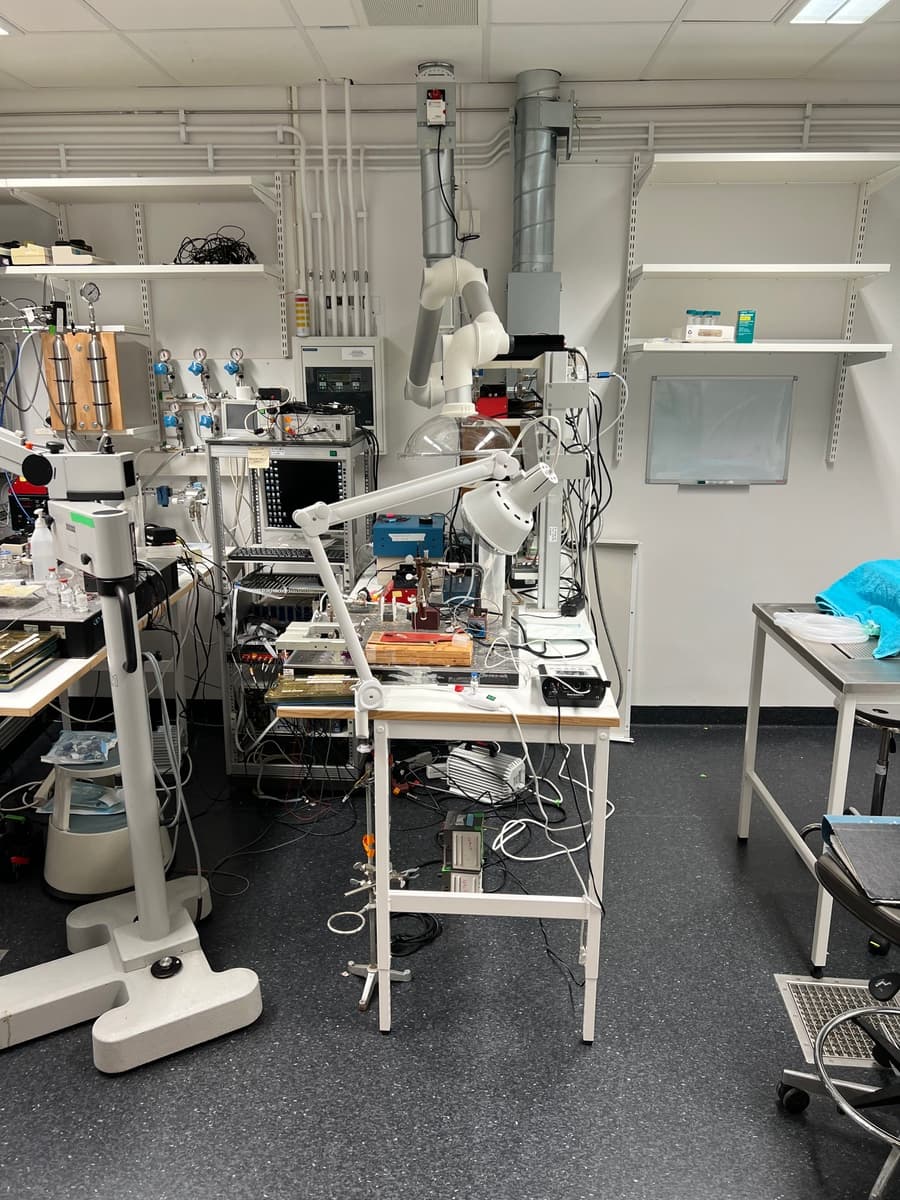
The study's early results are promising, showing that after one dose of EVs, there was a notable improvement in the size and function of diaphragm muscle fibers. Further enhancement was observed with a second dose, supporting the hypothesis that multiple doses could be more effective. The research was conducted in a unique laboratory setting at SLU, Uppsala, Sweden, designed to replicate ICU conditions accurately.
Findings from the study indicate that after five days, specimens treated with two doses of EVs showed fiber cross-sectional area (CSA) and specific force (SF) measurements at 93% and 94% of control values, respectively. This is a significant improvement compared to untreated specimens, which previously showed measurements of only 57% and 52%. Additionally, the study noted great stability in hemodynamic parameters and respiratory peak pressure, along with high peripheral oxygen saturation levels, suggesting that EVs could also improve overall patient stability during MV.
This research is particularly important as MV, while life-saving, often leads to ventilator-induced diaphragm dysfunction (VIDD), complicating the weaning process and increasing mortality and morbidity rates. The potential of EVs to mitigate these effects could revolutionize ICU care, improving patient outcomes and reducing the financial burden associated with prolonged weaning processes, estimated to exceed $100 billion annually in the US and Europe.
Leksum LLC is now preparing for Phase I trials in Europe, with the aim of further validating these findings and advancing the development of therapies for muscle myopathies related to MV and other conditions. This study represents a significant step forward in the quest to enhance the quality of life for millions of patients affected by muscle myopathy and related conditions.