Summit Restoration has strategically positioned itself to address Florida's increasing vulnerability to catastrophic weather events by opening a new regional headquarters in Tampa. The facility represents a significant investment in infrastructure designed to improve disaster recovery response times and operational capabilities across Central and North Florida.
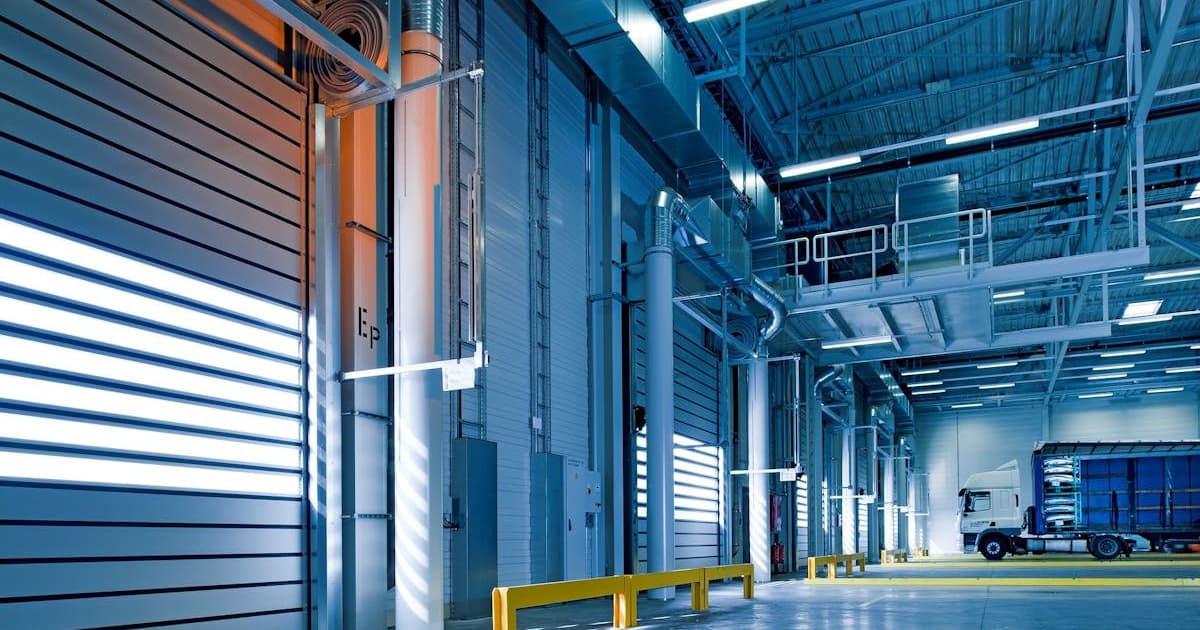
The newly established headquarters serves dual critical functions: a sophisticated training center and a comprehensive logistics warehouse. By centralizing these resources, Summit Restoration can more effectively coordinate emergency restoration services during hurricane season, a period of heightened environmental risk for Florida communities.
With an immediate commitment to creating over 30 local jobs, the expansion demonstrates the company's dedication to regional economic development. Positions will span critical areas including operations, logistics, client support, and field coordination, providing employment opportunities in a sector increasingly vital to Florida's resilience infrastructure.
Raymond Tahhan, the company's Chief Executive Officer, emphasized the strategic importance of this expansion, noting that the Tampa headquarters will enable more efficient resource mobilization and faster response to weather-related emergencies. This approach reflects a proactive stance toward disaster management that goes beyond traditional reactive restoration services.
The expansion aligns with broader trends of climate adaptation, as extreme weather events become more frequent and intense. By investing in localized infrastructure and workforce development, Summit Restoration is positioning itself as a critical component of Florida's emergency preparedness ecosystem.
Services offered by the company include comprehensive damage mitigation strategies such as water removal, structural drying, reconstruction, and insurance claims support. This holistic approach serves a diverse client base ranging from individual homeowners to commercial property managers and municipal agencies.
Summit Restoration's strategic move suggests a forward-thinking approach to disaster recovery, recognizing that effective emergency response requires significant pre-emptive investment in infrastructure, training, and local capabilities. As climate change continues to influence weather patterns, such regional preparedness becomes increasingly crucial for community resilience.