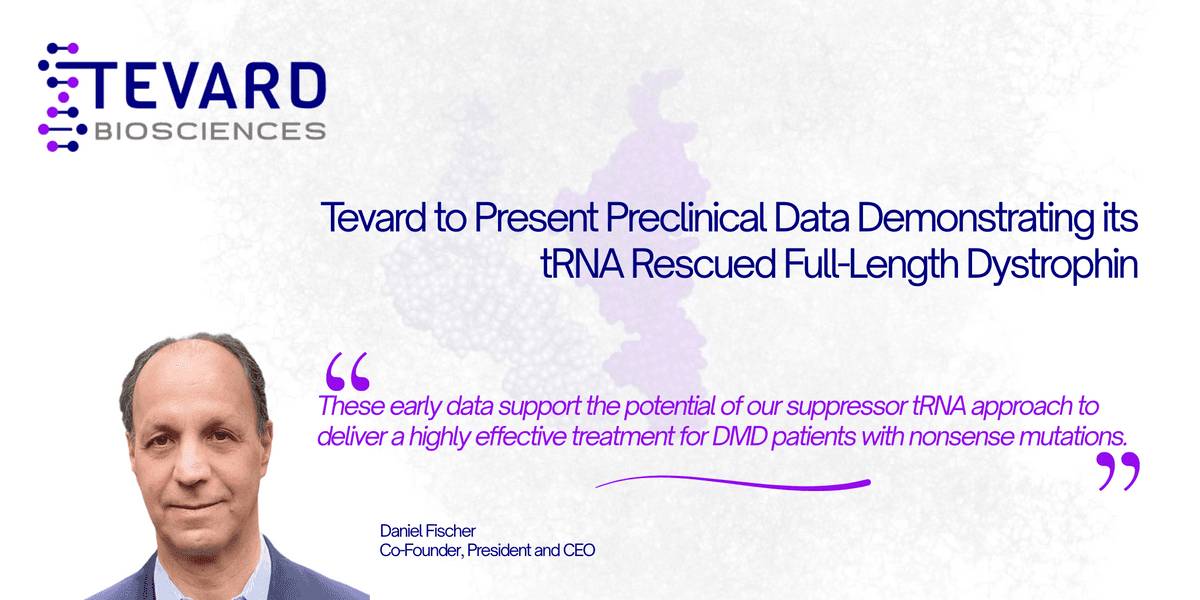
Researchers at Tevard Biosciences have unveiled promising preclinical data regarding a groundbreaking tRNA-based therapeutic approach for Duchenne Muscular Dystrophy (DMD), potentially offering new treatment possibilities for patients with specific genetic mutations.
The study, set to be presented at the American Society of Gene and Cell Therapy Annual Meeting, demonstrates a novel method of addressing nonsense mutations that prevent the production of functional dystrophin protein. These mutations, which affect approximately 15% of DMD patients, typically result in more severe forms of the disorder.
Using the D2-mdx mouse model, which mimics key aspects of human DMD pathology, researchers found that their suppressor tRNA therapy could restore full-length dystrophin protein in a dose-dependent manner. Notably, the rescued protein exhibited organization similar to wild-type dystrophin, a crucial factor in potential therapeutic effectiveness.
The experimental results were particularly encouraging in motor function assessments. At 12 weeks post-treatment, mice demonstrated significant improvements in motor performance, including increased latency time in rotarod tests and enhanced forelimb and hindlimb grip strength. Critically, the treatment showed no evidence of adverse effects, as measured through behavioral observations, histological examinations, and blood chemistry analyses.
DMD is a fatal X-linked genetic disorder characterized by progressive muscle loss, respiratory complications, and cardiac issues. Current therapeutic strategies have struggled to address the complexity of restoring full-length dystrophin, which is a massive 427 kDa protein with diverse mutation types.
The unique approach of suppressor tRNAs involves altering molecular structures to read through nonsense mutations, potentially enabling the production of complete, functional proteins. Since there are only three premature termination codons, this method could potentially provide a universal treatment strategy for DMD patients with specific genetic mutations.
Tevard's research represents a significant step forward in genetic therapies, highlighting the potential of tRNA-based interventions in addressing challenging genetic disorders. By targeting the fundamental genetic mechanisms underlying DMD, this approach offers renewed hope for patients and families affected by this devastating condition.