When consumers see a UL label on a product, it's more than just a mark; it's a symbol of trust and safety. Underwriters Laboratories (UL), a global safety certification company, provides these labels to indicate that a product has undergone rigorous testing to meet established safety standards. This certification is crucial for a wide range of products, from household appliances to industrial equipment, ensuring they are safe for use and comply with regulatory requirements.
The presence of a UL label on a product reassures consumers, regulatory authorities, and retailers alike that the product adheres to strict safety protocols. For manufacturers, obtaining UL certification is not just about compliance; it's about building consumer trust and gaining a competitive edge in the market. Products with UL certification are often preferred by consumers, who view the UL mark as a benchmark for safety and quality.
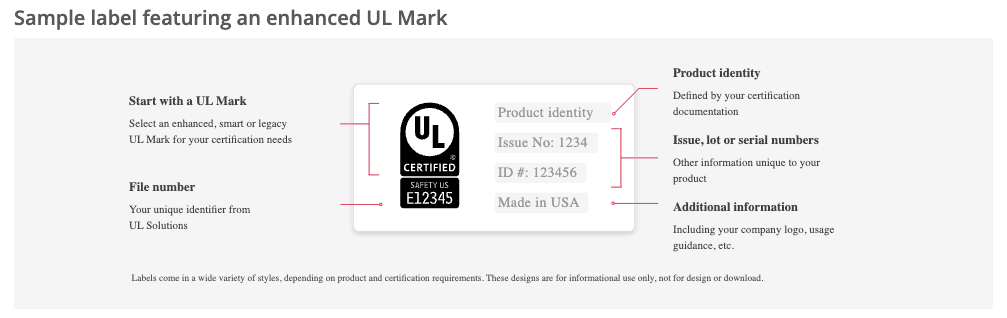
Identifying authentic UL labels is essential for ensuring product safety. Key identifiers include the UL logo enclosed in a circle, a unique product identifier, and issue and control numbers that can be verified against UL's database. Some labels also feature holographic elements to prevent counterfeiting. These features help consumers and businesses verify the authenticity of UL labels, ensuring the products they purchase or use meet the highest safety standards.
UL certification covers a broad spectrum of products, including electrical appliances, chemical processing equipment, healthcare devices, building materials, and consumer electronics. Each category has specific safety standards that products must meet to receive UL certification. This diversity underscores UL's commitment to enhancing safety across various industries, protecting consumers and businesses from potential hazards.
For manufacturers, the benefits of UL certification extend beyond compliance. Certified products are more likely to attract consumers, potentially leading to increased sales. Additionally, manufacturers may benefit from lower insurance premiums, as insurers recognize the reduced risk associated with UL-certified products. The certification process, while rigorous, encourages continuous improvement in product design and safety, fostering innovation while safeguarding public interest.
Despite the clear benefits, there are common misconceptions about UL certification. Not all products require UL certification, and achieving certification is not a one-time event but an ongoing commitment to safety and compliance. Manufacturers must regularly adhere to safety measures and undergo follow-up inspections to maintain their certification. Understanding these aspects is crucial for manufacturers and consumers alike, ensuring informed decisions in the marketplace.
When it comes to printing UL labels, not all manufacturers are authorized to do so. UL has strict standards for label production, requiring manufacturers to undergo evaluation, submit materials for testing, receive UL mark approval, and pass ongoing audits. Data Graphics, Inc. is an example of a UL-authorized label supplier, capable of producing durable and compliant UL labels for various applications.
In conclusion, UL-approved labels play a vital role in ensuring product safety and compliance. They serve as a trusted mark for consumers, a competitive advantage for manufacturers, and a standard for regulatory compliance. As products continue to evolve, the importance of UL certification in maintaining safety and trust in the marketplace cannot be overstated.