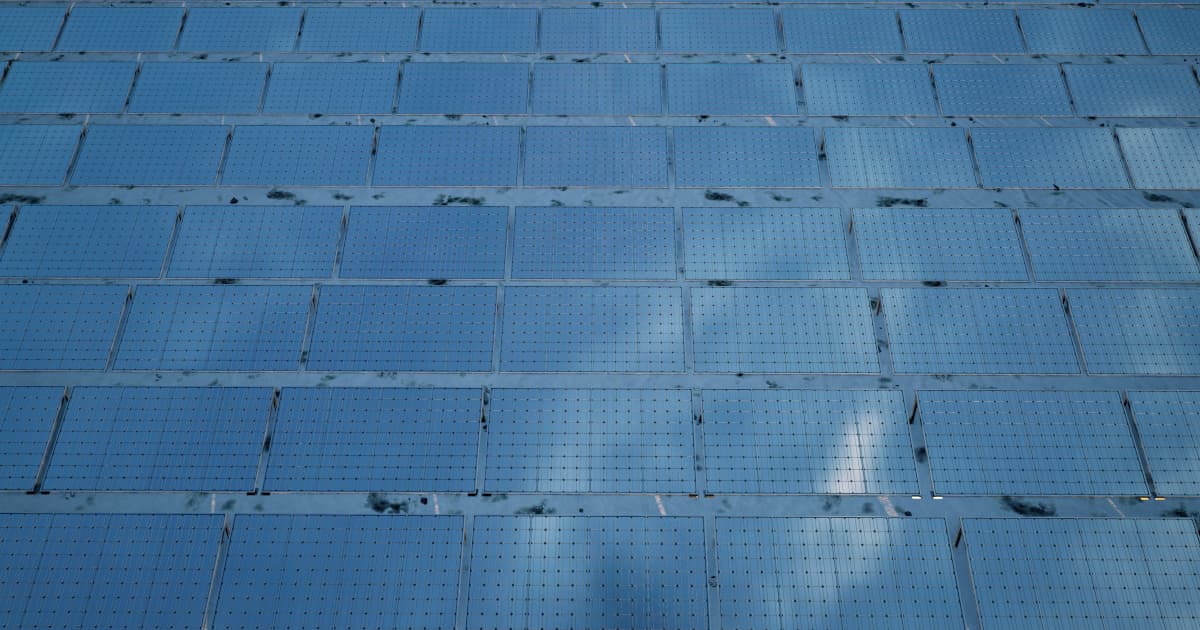
The Yarlung Zangbo River downstream hydropower project, with a total investment of approximately 1.2 trillion yuan, represents one of the largest infrastructure developments in Tibet's history and is poised to become the world's biggest hydropower station complex upon completion. This massive undertaking involves constructing five cascade power stations in Nyingchi, Tibet, located in the region of the Yarlung Zangbo River's "Great Bend" adjacent to the majestic Himalayas.
The project's significance extends beyond energy production, as it has already triggered substantial economic and tourism growth in the region. During construction, tens of thousands of workers including engineers, technicians, and construction staff are being attracted to the area, providing income for local residents and promoting population flow and cultural exchange. The investment is stimulating development across multiple industries, including construction materials such as cement and steel, transportation for moving equipment, and service sectors including catering and accommodation to support the workforce.
Transportation infrastructure has improved significantly, with increased flights to Nyingchi and convenient train to Tibet routes that connect major cities to the region. The journey from Nyingchi to Lhasa now takes approximately four hours, offering scenic travel between these important Tibetan cities and making the area more accessible to tourists.
Tourism in the Nyingchi region has experienced remarkable growth since the project's groundbreaking ceremony. Search volume for Tibet tour-related terms has increased significantly, with keywords including Yarlung Zangbo Grand Canyon, Basum Tso Lake, and Laigu Glacier rising by 40% year-on-year. Summer tourism searches have soared by nearly 200% month-on-month, positioning Nyingchi as a core summer destination due to its cool climate with average temperatures of 17°C to 26°C.
According to predictions, passenger flow growth at Nyingchi will exceed 30% year-on-year in the third quarter of 2025, with winter tourists focused on glacier and Everest tours expected to increase by 80% year-on-year in the fourth quarter. Hotel occupancy is projected to rise from 35% in the off-season to 60%, with total tourist numbers in Tibet anticipated to grow by 15-20% in 2025. The project's peak construction period will attract 200,000 personnel and their families, generating annual tourism consumption demand exceeding 3 billion yuan.
The region offers numerous attractions including Basum Tso Lake surrounded by snow-capped mountains, Lulang International Tourism Town with unique Tibetan-style architecture, Laigu and Midui Glaciers as natural wonders, and Ranwu Lake whose waters change color with seasons. The hydropower project itself is becoming a tourist attraction, with large-scale construction sites and advanced facilities drawing engineering enthusiasts. Future development may include industrial tourism and eco-tourism combining the project with southeastern Tibet's natural scenery, further enriching local tourism products available through providers like Guide Tibet.
The project's location in the geologically complex Himalayan region, where the Yarlung Zangbo River has created the world-famous Grand Canyon with a natural drop of 2,350 meters, presents significant engineering challenges including high-intensity earthquake activities and landslides. However, advanced technology and experience are enabling construction teams to overcome these difficulties while creating what may become both the largest hydropower station in the world and a major engine for Tibet's tourism economy.