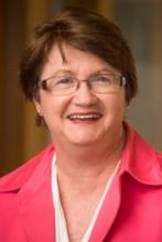
Dr. Virginia J. Howard, a distinguished professor at the University of Alabama at Birmingham (UAB), has been selected to receive the prestigious 2024 Population Research Prize at the upcoming American Heart Association's Scientific Sessions. The award recognizes Dr. Howard's extensive contributions to stroke research, particularly her work on understanding racial and geographic disparities in stroke risk and cognitive impairment.
Dr. Howard's research has been instrumental in shedding light on the complex factors contributing to the unequal burden of stroke across different populations. As the lead stroke epidemiologist for the REasons for Geographic And Racial Differences in Stroke (REGARDS) study, she has been at the forefront of a nearly 25-year cohort study examining why Black adults in the United States experience higher rates of death from strokes compared to white adults, and why the southeastern U.S., known as the 'Stroke Belt,' has higher stroke rates than the rest of the country.
One of Dr. Howard's most significant findings, published in 2013, revealed that living in the Stroke Belt during one's teenage years was associated with a higher risk of stroke later in life. This risk was approximately two-fold higher for Black participants compared to white participants across all age groups. In 2020, she presented further findings suggesting that childhood or young adult residency in the Stroke Belt may be linked to higher risks of cognitive impairment in later life, regardless of where an individual lives as an adult.
These discoveries have profound implications for public health strategies and interventions. By identifying critical periods in life when environmental factors may have the most significant impact on future stroke risk, Dr. Howard's work opens new avenues for targeted prevention efforts. It underscores the importance of early life interventions and the need for comprehensive, long-term approaches to reducing stroke disparities.
Dr. Howard's research extends beyond the REGARDS study. She has been a lead clinical trial epidemiologist for five major stroke prevention trials, including the ongoing Carotid Revascularization and Medical Management for Asymptomatic Carotid Stenosis Trials (CREST-2) and the Coordinated, Collaborative, Comprehensive, Family-Based Integrated, and Technology-Enabled Care (C3FIT) trial. These studies are exploring innovative approaches to stroke prevention and post-stroke care, which could significantly impact clinical practice and patient outcomes.
The implications of Dr. Howard's work are far-reaching. Her research not only advances our understanding of stroke risk factors but also informs policy decisions and healthcare practices. By highlighting the role of early life exposures and geographic location in stroke risk, her findings emphasize the need for tailored public health interventions that consider regional and demographic differences.
Dr. Howard's contributions to the field extend beyond her research. As a founder of the PRevention and Outcomes in Women Enhancing Stroke Support (PROWESS) working group, she has been instrumental in raising awareness of stroke in women and supporting early-stage investigators. This work is crucial in addressing gender disparities in stroke research and care.
The recognition of Dr. Howard's work with the Population Research Prize underscores the importance of epidemiological research in addressing health disparities. As stroke remains a leading cause of death and disability worldwide, understanding and addressing its risk factors and disparities is crucial for improving public health outcomes.
Dr. Howard's research serves as a foundation for future studies and interventions aimed at reducing stroke risk and improving outcomes across diverse populations. Her work exemplifies the power of long-term, population-based research in uncovering complex health patterns and informing targeted prevention strategies. As the field of stroke research continues to evolve, the insights gained from Dr. Howard's studies will undoubtedly play a crucial role in shaping future approaches to stroke prevention and treatment.