

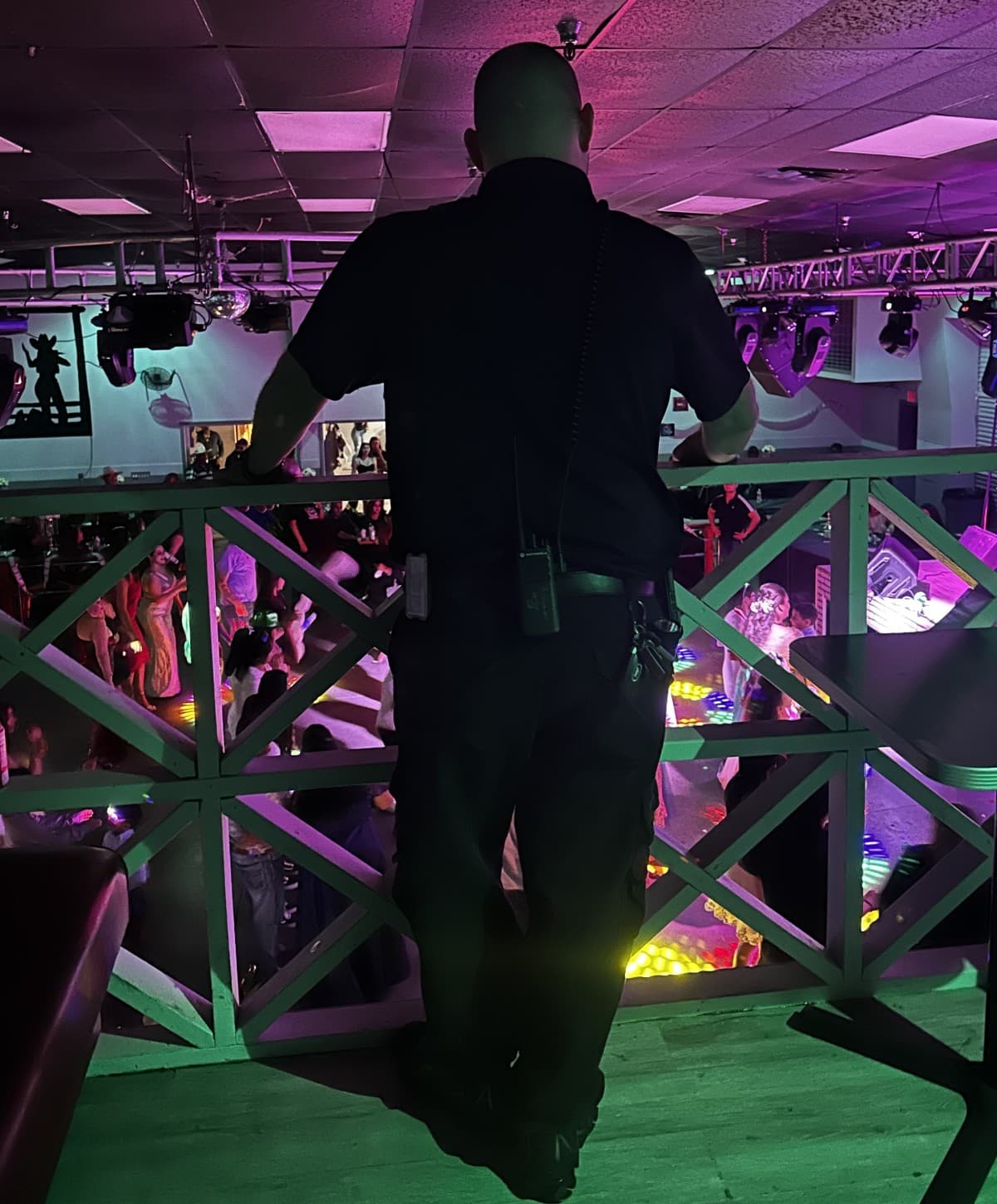
UPM Security has expanded its rapid-deployment framework to serve all 50 states, enabling armed and unarmed guard services to be deployed within 2-4 hours of a client request. The expansion responds to growing demand for fast-response coverage from corporations, municipalities, and event organizers, who previously faced delays typical of regional security contracting.
Most regional security firms require 24 to 72 hours of advance notice and operate within fixed geographic areas. UPM Security structures its operations differently by drawing personnel exclusively from law enforcement and military backgrounds and maintaining a 24/7/365 operational posture. This allows the company to fulfill Event Security contracts, armed protection assignments, and emergency coverage requests in a fraction of the time most competitors require.
Where a standard contractor might coordinate a large venue staffing assignment over several days, UPM Security deploys verified personnel within the same timeframe used for emergency response. This approach applies to planned corporate conferences requiring Venue Security and equally to unplanned incidents requiring an immediate armed presence.
The company distinguishes its model by combining Armed Security deployment with Disaster Response capability under a single operational structure. Many security firms separate these functions, requiring clients to engage multiple vendors when a situation escalates from routine coverage to emergency response. UPM Security treats both as connected services, allowing the company to transition resources mid-event without onboarding delays or vendor handoff gaps. For clients managing natural disasters, civil unrest, or infrastructure emergencies, this integration reduces exposure time considerably.
"We have deployed armed teams to active disaster zones in under 3 hours, and we have done the same for planned events requiring 200 personnel across multiple sites," said the Chief Executive Officer of UPM Security. "Every client, regardless of contract size, has direct access to me personally."
UPM Security draws a functional distinction between ongoing Security Patrol services and event-specific deployments. Clients contracting for patrol coverage receive continuous, rotating guard presence on fixed or variable schedules. Event-specific deployments are scaled to a defined timeline and venue footprint. Treating these as separate service lines can create coverage gaps, especially when both overlap during large gatherings. UPM Security manages both under a single contract, allowing patrol personnel to integrate directly with event staffing teams through shared protocols.
Clients in high-traffic sectors—entertainment venues, convention centers, universities, and hospitals—have used this combined structure to reduce the number of security vendors they manage from three or four down to one. Operational outcomes vary by contract, but the reduction in coordination complexity is consistent across client types.
The staffing model UPM Security uses differs from firms that source guards through general labor pools. Every employee comes from a background in law enforcement or military service, affecting the quality of judgment personnel bring and the speed at which they become operationally ready. This standard applies across all service lines, whether personnel are assigned to a stadium requiring venue security coverage or to a multi-county disaster response operation. The consistent hiring threshold reduces variability in how individual guards assess and respond to developing situations.
