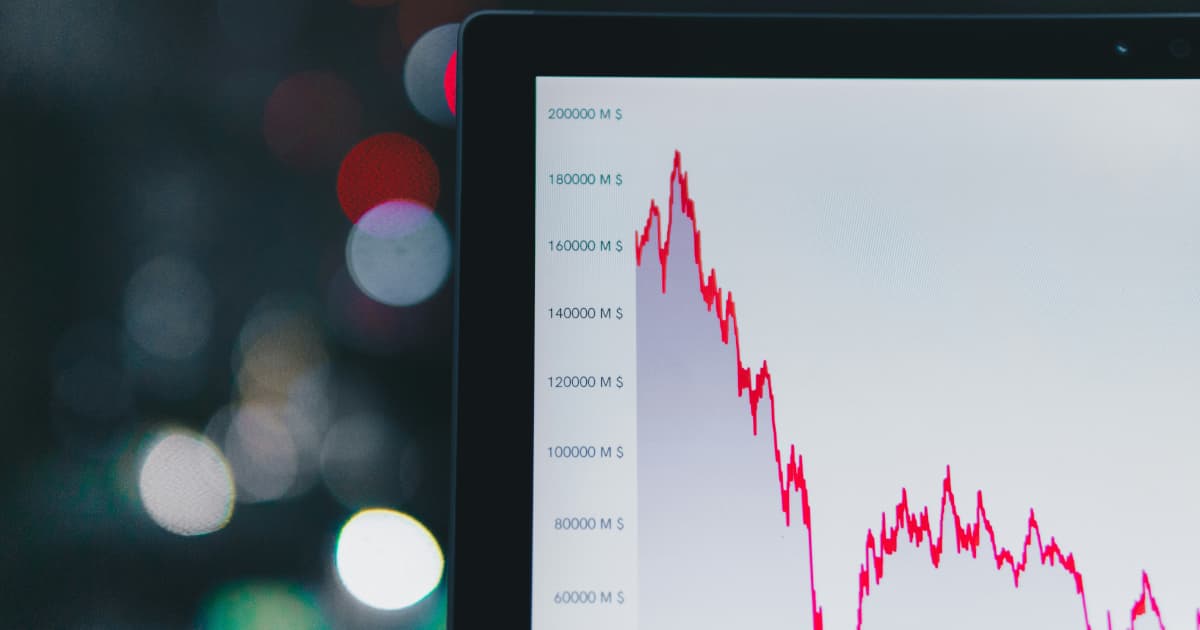
The U.S. banking sector is entering 2026 under growing pressure as rising operational costs begin to eat deeply into profits. For years, high interest rates made it easier for banks to grow earnings, but that period is now fading. What remains is a tougher environment where controlling expenses has become just as important as generating revenue.
Entities like B. Riley Financial Inc. within the banking space now have to find innovative ways to keep rising costs in check while also expanding their income streams in order to ride out this challenging period. This shift marks a critical juncture for the industry, moving from a revenue-focused model to one that demands rigorous financial discipline across all operations.
The importance of this development extends beyond individual bank balance sheets to the broader financial ecosystem. As operational costs consume a larger portion of banking revenues, institutions may become more cautious in their lending practices, potentially affecting credit availability for businesses and consumers alike. This could slow economic growth and impact everything from small business expansion to major corporate investments.
The pressure on profitability may also accelerate industry consolidation as smaller institutions struggle to maintain the technological infrastructure and compliance systems required in modern banking. This could reshape the competitive landscape, potentially reducing consumer choice in some markets while creating larger, more dominant financial institutions in others.
For investors and market observers, this trend signals a need to reevaluate traditional banking metrics. While revenue growth remains important, efficiency ratios and cost management capabilities will likely become increasingly significant indicators of a bank's long-term viability. The sector's adaptation to these pressures will determine which institutions thrive in the coming years.
The broader implications extend to financial stability concerns as well. Banks facing profit compression may take on riskier investments to maintain returns, potentially creating vulnerabilities in the financial system. Regulatory bodies will need to monitor these developments closely to ensure the banking sector remains resilient during this transition period.
This information comes from BillionDollarClub, a specialized communications platform that provides access to a vast network of wire solutions via InvestorWire to efficiently reach target markets. The platform delivers article and editorial syndication to thousands of outlets along with enhanced press release services. For more information about their services and disclaimers, visit their website.