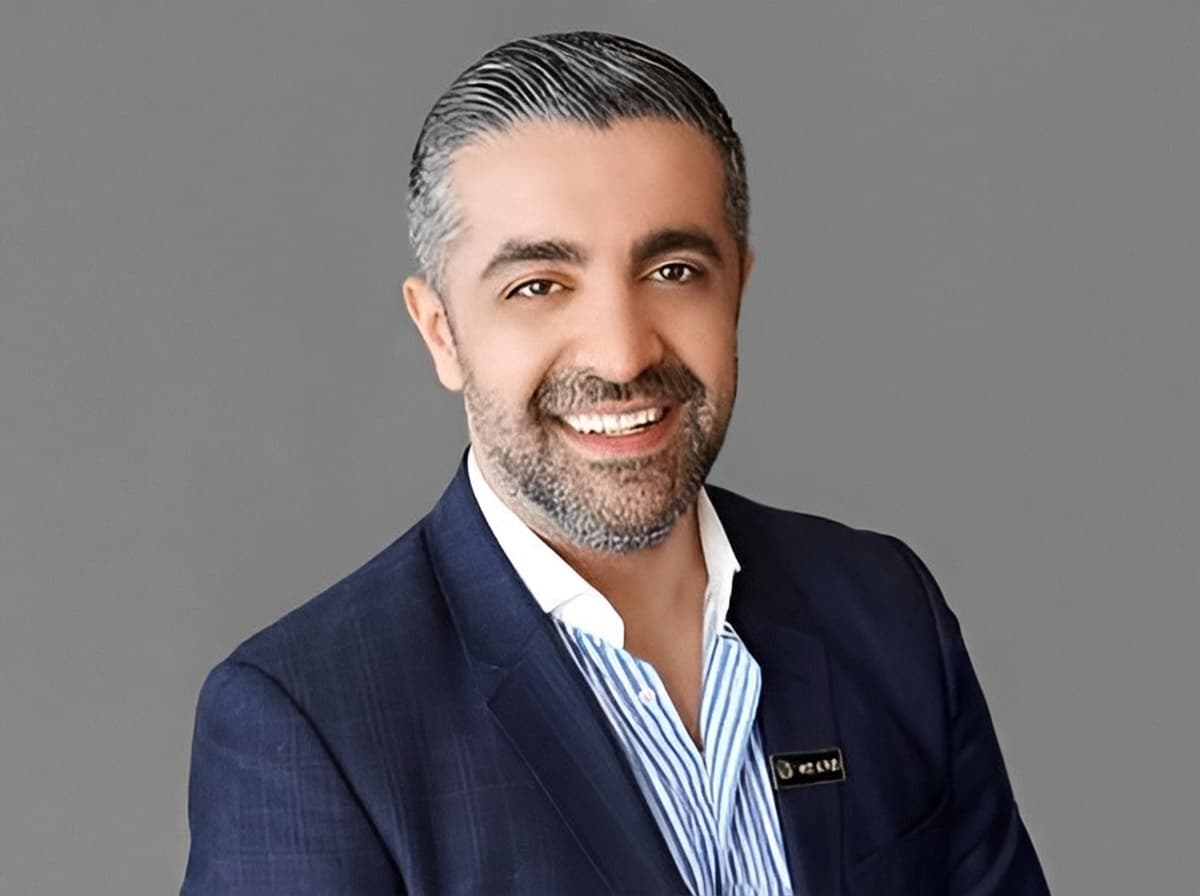
The recent closing of a $20 million bank line with Webster Bank represents more than just additional capital for New York-based private lender We Lend. According to CEO Ruben Izgelov, the facility serves as institutional validation of the company's underwriting standards and loan book quality, which now totals over $150 million across the capital stack. This validation matters significantly in private lending where external assessment of loan quality can be challenging for borrowers and partners.
"When a bank like Webster underwrites us, they are not just giving us capital – they are validating the quality of our loans," Izgelov said. Webster Bank's rigorous due diligence process and subsequent approval effectively serve as third-party endorsement of We Lend's credit practices. The bank's recently announced merger with Santander adds further dimension to the relationship, bringing international liquidity and expanded future capacity.
Leo Goldstein, Sector Head of Real Estate Lender Finance at Webster Bank, stated, "We Lend has demonstrated a level of underwriting discipline and market expertise that gives us strong confidence in this relationship. Their focused approach to the East Coast market, combined with the quality of their loan book, made this a straightforward decision for Webster."
The practical implications of this validation are substantial. By reducing We Lend's cost of capital, the new facility enables the company to compete more aggressively on rates and origination fees against institutionally backed lenders that have historically held pricing advantages. Borrowers benefit directly from this compression. Additionally, the facility expands We Lend's capabilities beyond its historical focus on one-to-four unit residential properties to include multifamily and mixed-use assets, ground-up construction, and heavy construction projects.
Despite gaining institutional credibility, We Lend maintains its entrepreneurial approach. The company's loan approval process remains fully in-house without external investor committees or institutional sign-off chains. This structure preserves the speed that Izgelov identifies as a key differentiator in time-sensitive real estate transactions. "Borrowers appreciate that we can move quickly and make decisions that others wouldn't be able to," he noted.
The company's capital structure includes what Izgelov describes as "friends and family capital – people I've grown up with, people that raised me," creating what he characterizes as personal stakes in every transaction. This relationship-driven approach complements We Lend's geographic focus on New York and New Jersey markets, where the team's direct knowledge of sponsors, assets, and local conditions enables what Izgelov calls sharper credit judgment.
"You're a jack of all trades, master of none if you're lending everywhere," Izgelov explained. "We'd rather master one market." This regional specialization, combined with the new institutional backing, positions We Lend to scale originations while preserving the flexibility that defines its operations. For East Coast borrowers with complex capital needs, the combination of institutional credibility and entrepreneurial responsiveness addresses current market demands effectively.
More information about We Lend's services and approach is available at welendllc.com.