

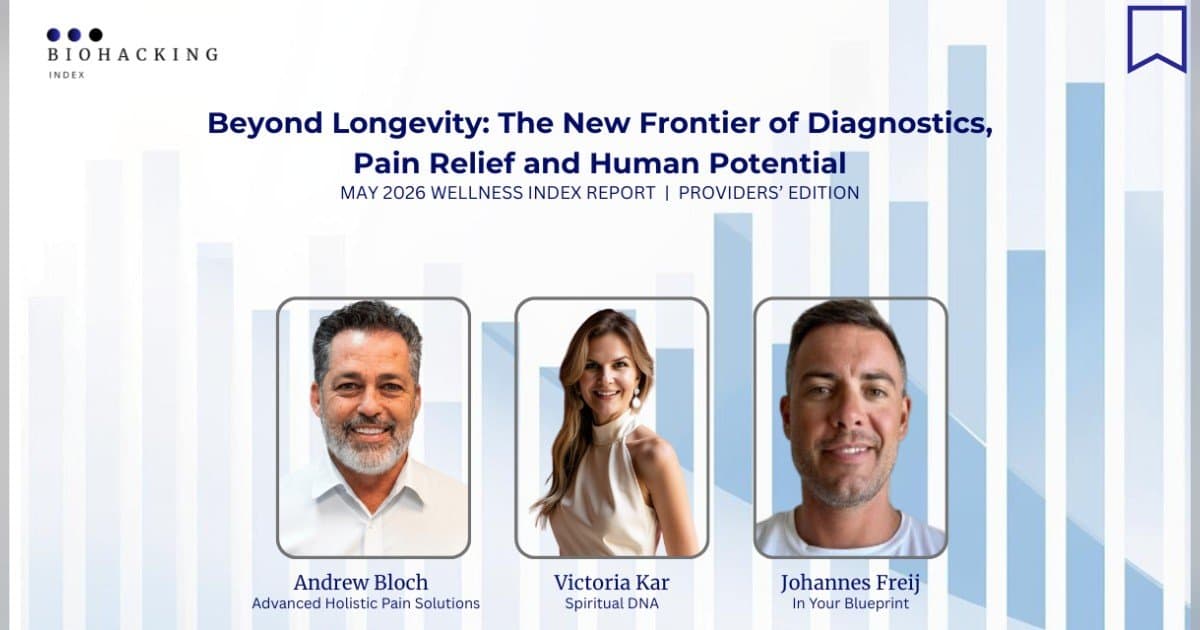
A new report from the Wellness Index Report indicates a fundamental shift in consumer wellness priorities, with individuals increasingly seeking to understand the underlying causes of their health concerns rather than focusing solely on extending lifespan. The findings suggest that wellness is expanding beyond traditional healthcare and longevity interventions toward more personalized, integrative approaches that address physical, emotional, and psychological factors.
According to the report, consumers are asking questions about chronic symptoms, emotional wellbeing, personal fulfillment, and overall quality of life. “The wellness conversation is evolving,” said Lindsay O'Neill-O'Keefe. “People are no longer asking only how long they will live. They are asking why they feel the way they do, what is driving their symptoms, and how they can live with greater purpose, resilience, and connection.”
The report highlights three emerging trends shaping the future of wellness. First, advanced diagnostics and root cause analysis are gaining traction, with consumers turning to personalized health assessments, functional diagnostics, and genetic insights to understand underlying contributors to health challenges. There is growing demand for individualized approaches that move beyond symptom management and toward discovering root causes.
Second, physical and emotional pain management demand continues to rise for non-pharmaceutical and non-invasive approaches. Consumers seek solutions that address movement, inflammation, stress, and overall wellbeing while reducing reliance on traditional symptom-suppression models.
Third, human connection, purpose, and mental wellness are identified as increasingly important components of health. Practitioners are expanding beyond traditional healthcare models to address broader factors that contribute to quality of life and long-term wellness.
The report features three practitioners whose work reflects these evolving consumer priorities. Andrew Bloch, founder of Advanced Holistic Pain Solutions in Boynton Beach, Florida, has spent over three decades developing non-invasive pain management approaches through integrative methodologies combining physical therapy, acupuncture, and proprietary therapeutic systems. Victoria Kar, creator of Spiritual DNA, explores the intersection of psychology, identity, trauma, and personal transformation, helping individuals identify behavioral patterns and emotional barriers impacting wellbeing. Johannes Freij, founder of In Your Blueprint, utilizes DNA analysis and personalized biological assessments to help individuals understand how their unique genetics influence nutrition, exercise, stress, and recovery.
The report concludes that the future of wellness is unlikely to be defined by a single technology, treatment, or philosophy. Instead, it points toward an increasingly integrated model combining personalized diagnostics, preventive health strategies, emotional resilience, pain management, and human connection. “Health is becoming about more than longevity,” O'Neill-O'Keefe said. “Consumers are looking for vitality, purpose, and a deeper understanding of themselves. The future of wellness may ultimately be about helping people become the fullest expression of who they are.”
The full Wellness Index Report is available online.
