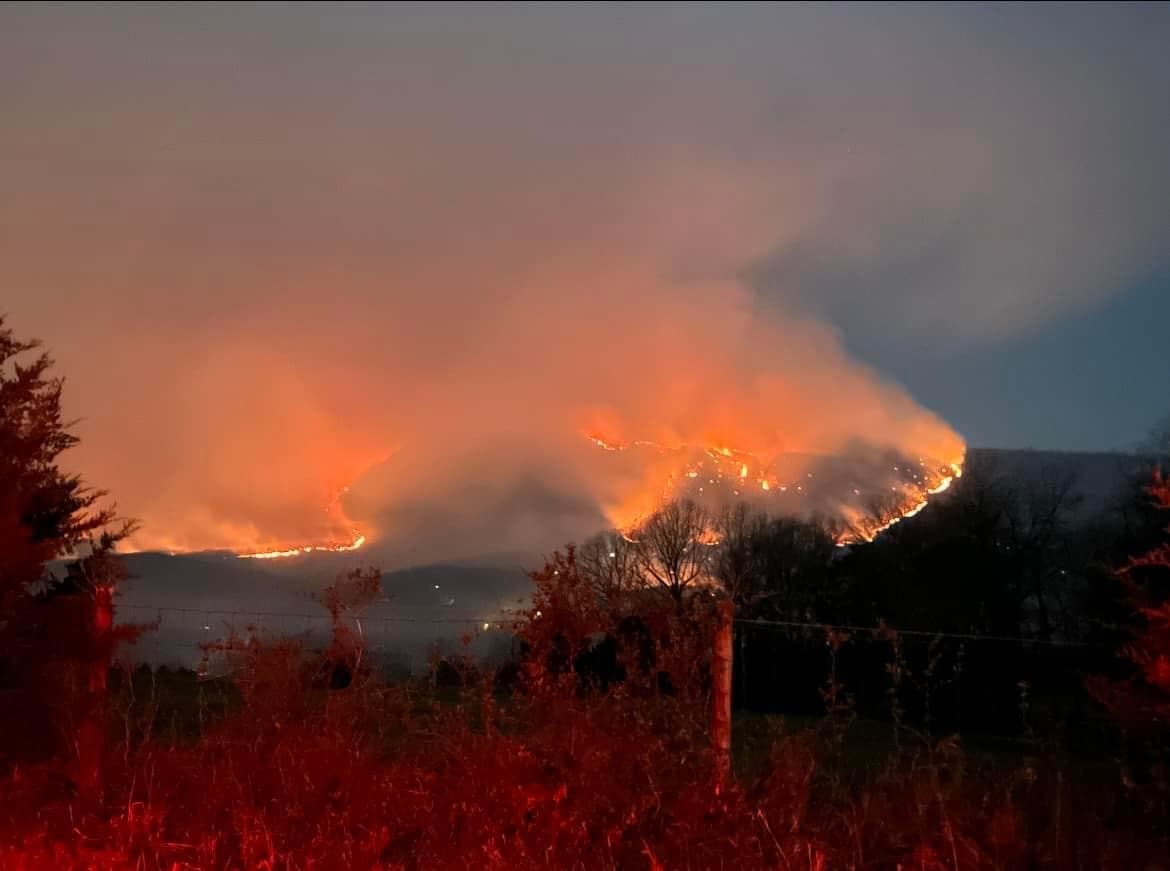
The recent drift of wildfire smoke from Canada into the United States has raised significant health concerns, particularly regarding heart health. The American Heart Association has issued warnings about the increased risk of heart disease associated with exposure to wildfire smoke. This development is crucial as it underscores the broader health implications of wildfires beyond the immediate respiratory effects.
Research presented at the American Heart Association’s Scientific Sessions 2023 and studies published in the Journal of the American Heart Association have established a clear link between wildfire smoke exposure and heightened risks of cardiovascular events. These include sudden cardiac arrest, unstable chest pain, and increased emergency room visits for heart-related conditions. The findings are particularly alarming for individuals with pre-existing cardiovascular conditions, older adults, and communities with lower socioeconomic status.
Dr. Keith Churchwell, a prominent figure in cardiovascular health, has emphasized the importance of recognizing the signs of heart attacks and strokes, which can be exacerbated by poor air quality. He also advocates for the use of portable air cleaners as an effective measure to reduce indoor particulate matter, thereby mitigating the risk of cardiopulmonary outcomes.
The situation calls for heightened public awareness and proactive measures to protect against the adverse effects of wildfire smoke. Recommendations include staying indoors, using air conditioning systems with high-efficiency filters, avoiding physical exertion, and staying hydrated. The American Heart Association also stresses the importance of being prepared for emergencies by knowing CPR and staying informed about air quality levels through resources like airnow.gov.
This news is a stark reminder of the far-reaching consequences of environmental disasters on public health. It highlights the need for individuals, especially those at higher risk, to take preventive actions and for communities to support vulnerable populations during such crises.