The 10th edition of the World Green Economy Summit (WGES), scheduled for October 2-3, 2024, at the Dubai World Trade Centre, is set to place a spotlight on climate finance as a crucial element in the fight against global climate change. This focus comes at a time when the world faces escalating climate challenges, and the need for adequate funding to support mitigation and adaptation initiatives has never been more pressing.
According to the Global Landscape of Climate Finance 2023 report by the Climate Policy Initiative, global investments in climate projects increased to USD 1.3 trillion between 2021 and 2022. However, this figure falls significantly short of what is required to meet the Paris Agreement's 1.5°C target, which necessitates a fivefold increase in current investment levels. This substantial gap underscores the urgency of the summit's focus on climate finance.
The United Arab Emirates, recognized as a leader in global climate action, has taken a prominent role in mobilizing climate finance through various global initiatives. These efforts aim to advance the global climate agenda and strengthen international cooperation in environmental sustainability and support for the green transition. The WGES, organized by the Dubai Supreme Council of Energy, Dubai Electricity and Water Authority (DEWA), and the World Green Economy Organization (WGEO), serves as a platform to further these objectives.
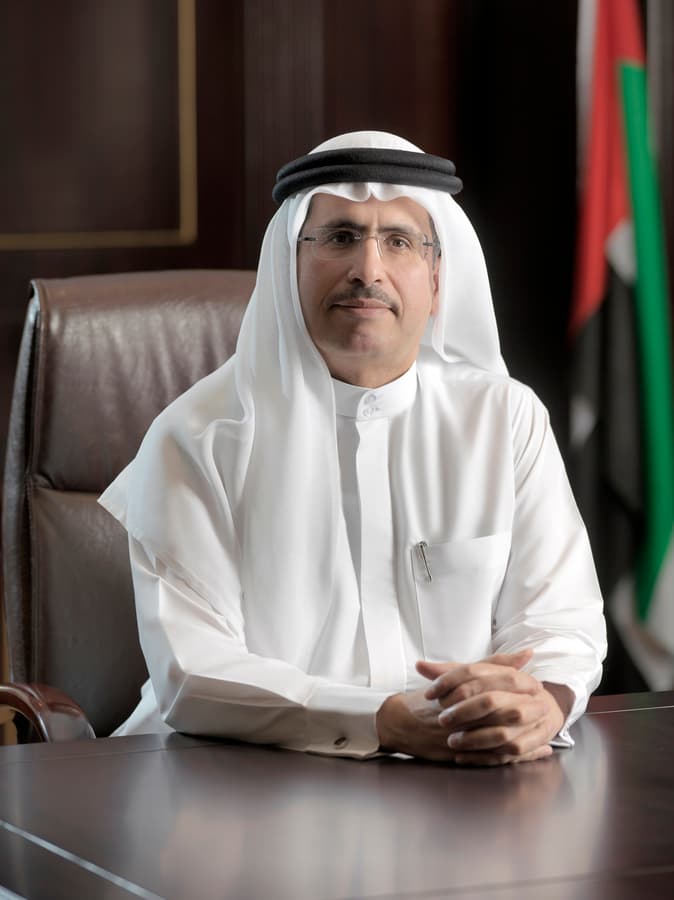
HE Saeed Mohammed Al Tayer, Vice Chairman of the Dubai Supreme Council of Energy, MD&CEO of DEWA, and Chairman of WGEO, emphasized the summit's significance, stating, "The World Green Economy Summit has established itself as a cornerstone of the global climate movement and a premier platform for discussions on various green transition issues." He highlighted that this year's summit builds upon the outcomes of COP28, hosted by the UAE in 2023, which resulted in the historic UAE Consensus and the launch of the UAE Framework for Global Climate Resilience.
The summit's focus on climate finance as a vital tool for building a green, resilient, and equitable future is particularly timely. It aims to address the disparity between developed and developing countries in their ability to combat and adapt to climate change. By mobilizing necessary funding and investments, the summit seeks to support the most affected communities and align with both local and global efforts to utilize financial mechanisms in the fight against climate change impacts.
The implications of this summit extend far beyond the event itself. By bringing together global leaders, experts, and specialists in green finance, WGES 2024 has the potential to catalyze significant shifts in how climate finance is approached and implemented worldwide. This could lead to more effective strategies for channeling funds to where they are most needed, particularly in vulnerable regions that are disproportionately affected by climate change.
Furthermore, the summit's emphasis on climate finance could spur innovation in financial instruments and mechanisms designed to support climate resilience and sustainable development. This could include the development of new green bonds, climate-focused investment funds, or novel public-private partnerships aimed at scaling up climate action.
As the world grapples with the increasing frequency and severity of climate-related disasters, the outcomes of WGES 2024 could have far-reaching effects on global climate policy and action. By addressing the critical funding gap and promoting international cooperation, the summit has the potential to accelerate the pace of climate action and bring the world closer to achieving its climate goals.