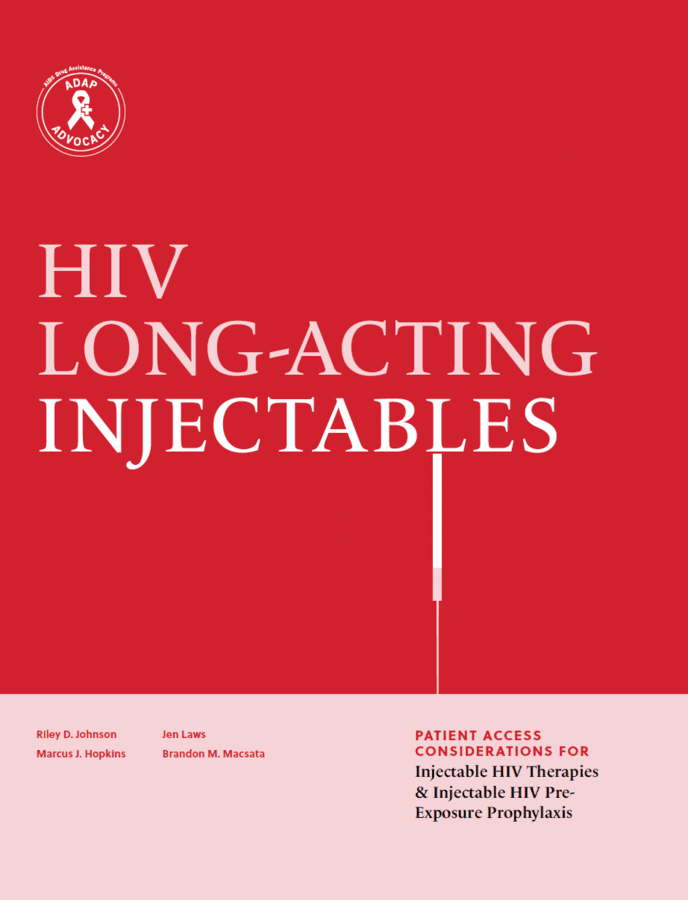
ADAP Advocacy has released its final report and executive summary on the perspectives of individuals living with HIV and those seeking HIV Pre-Exposure Prophylaxis (PrEP) regarding Long-Acting Injectables (LAIs). The report provides significant insights into the challenges faced by both groups in accessing these vital medications.
LAIs are prescription medications designed to either prevent the transmission of HIV or treat HIV over an extended period. They offer an alternative to daily oral medications, which can simplify treatment regimens and improve adherence. Despite their potential benefits, anecdotal evidence suggests that access barriers persist.
Brandon M. Macsata, CEO of ADAP Advocacy, emphasized the importance of the patient perspective in policy work surrounding LAIs. "Over the last few years we've witnessed some amazing policy work being done on long-acting injectables, but often times it lacked the patient perspective. ADAP Advocacy's Long-Acting Injectables Project starts to fill that gap and the final report being issued today reflects our commitment to addressing the attitudinal, operational, and other associated barriers patients perceive as preventing them from accessing these life-changing products for both the treatment of HIV, as well as the prevention of HIV," Macsata stated.
The report's findings are expected to serve as a foundation for further patient-centric research aimed at understanding the barriers and facilitators encountered by patients seeking LAIs. The research focuses on patient treatment preferences, information pathways, utilization, and barriers to access.
The final report and executive summary are available online at https://adapadvocacy.org/LAIsFinalReport2024/.
This initiative by ADAP Advocacy is supported by Gilead Sciences, Merck, and ViiV Healthcare. By shedding light on the patient experience, the organization aims to enhance the AIDS Drug Assistance Programs (ADAPs) and improve access to care for those living with HIV/AIDS. The insights gained from this report have the potential to influence future policies and practices, ultimately improving the quality of life for individuals affected by HIV.