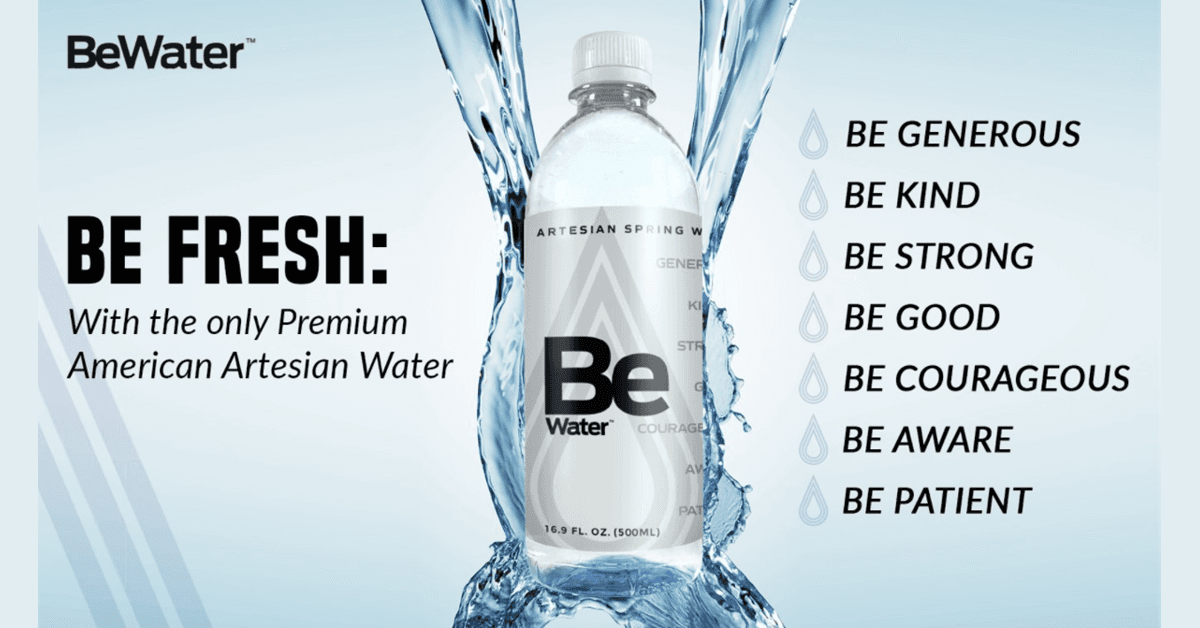
The expansion of Be Water™ to the OneLavi platform represents a significant development in the bottled water industry, where most products undergo extensive industrial processing. Unlike conventional brands that rely on municipal sourcing and artificial treatment, Be Water™ originates from certified spring water springs fed by a deep artesian aquifer formed nearly 500 million years ago beneath North Carolina's Blue Ridge Mountains. This geological foundation creates water that is naturally filtered through layers of ancient bedrock before reaching the surface, resulting in purity and balance achieved through natural processes rather than manufacturing.
This approach matters because it challenges the dominant paradigm of bottled water production. Most bottled water undergoes reverse osmosis or vapor distillation, with minerals added back artificially. Be Water™ absorbs naturally occurring minerals including calcium, magnesium, and silica during its slow filtration through dense rock layers, contributing to its smooth taste and natural alkalinity. Once at the surface, the water undergoes only gentle filtration and ozone treatment to ensure purity, with nothing added and nothing stripped away. This preservation of natural character represents a shift toward authenticity in a category often criticized for its environmental impact and processing methods.
The environmental implications of responsible aquifer stewardship distinguish Be Water™ from many competitors. The company withdraws only replenishable volumes to preserve long-term aquifer health, natural pressure, and ecological balance. This sustainable approach addresses growing consumer concerns about water sourcing practices, particularly as climate change intensifies water scarcity issues globally. The water is bottled at the source in Marion, North Carolina, at the company's owned and operated 60,000-square-foot facility, ensuring transparency and quality control from aquifer to bottle.
Consumer access to premium artesian water without luxury markups represents another important aspect of this expansion. Be Water™ uses premium BPA-free packaging with a durable 22-gram bottle construction that contrasts with the flimsy, lightweight bottles common across the category. Despite these quality features, the brand maintains accessible pricing across industry-standard 16.9-ounce bottles, six-packs, 24-packs, and gallon sizes. This pricing strategy bridges the gap between imported luxury waters and commodity bottled water, making naturally filtered artesian water available to broader consumer segments.
The expansion to OneLavi.com follows existing availability through select national retailers including select Walmart locations, Walmart.com, and Camping World. This distribution growth reflects increasing consumer demand for authentic, responsibly sourced hydration options. As bottled water consumption continues to rise globally, with the market projected to reach significant value in coming years, choices like Be Water™ that prioritize natural processes over industrial manufacturing could influence industry standards and consumer expectations.
The geological significance of Be Water™'s source cannot be overstated. Water filtered through 500-million-year-old bedrock represents a unique natural resource that has undergone purification processes shaped by time, rock, and gravity. This contrasts sharply with water sourced from municipal systems or imported from overseas, which often requires extensive processing to achieve drinkable standards. The company's commitment to domestic production at their Greene Concepts facility supports American manufacturing while maintaining control over the entire production process.
For consumers, the availability of Be Water™ on additional platforms like OneLavi means greater access to water that hasn't been fundamentally altered by industrial processing. This matters because hydration choices increasingly reflect broader values about health, sustainability, and authenticity. As awareness grows about the environmental impact of bottled water production and the health implications of various water treatment methods, products that prioritize natural filtration and responsible sourcing may gain competitive advantage in the marketplace.