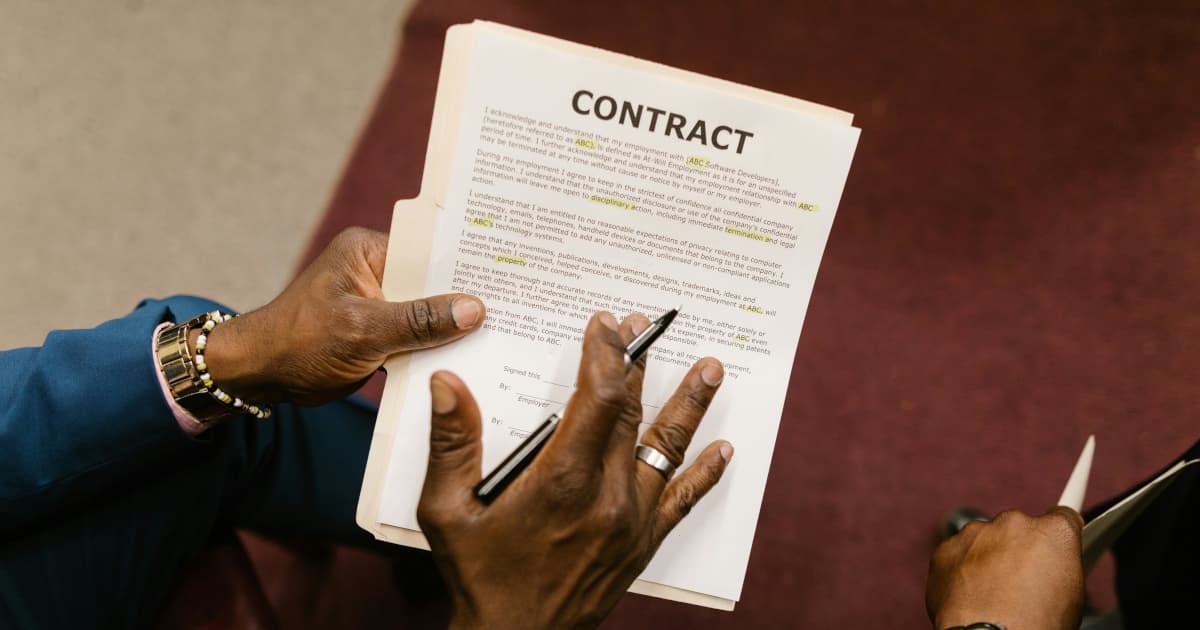
Christopher and Erin Mazzei, small business owners from California, have taken a bold step by filing a formal complaint with the U.S. Department of Justice's Office of Professional Responsibility against Assistant U.S. Attorney Gregg Yates. The couple alleges prosecutorial misconduct in their federal PPP loan case, a move that underscores a growing concern over the integrity of the justice system. Their plea for clemency, currently under review by Alice Marie Johnson, President Trump's Pardon Czar, brings to light the urgent need for reform in prosecutorial conduct.
The Mazzeis' ordeal began with their prosecution over a PPP loan obtained during the COVID-19 pandemic, leading to their imprisonment after what they describe as a politically motivated prosecution. Their complaint details a series of unethical actions, including false statements in court, suppression of exculpatory evidence, and coercive plea deal tactics. These allegations paint a troubling picture of a justice system where prosecutorial misconduct can go unchecked, with devastating consequences for the accused.
The case against the Mazzeis is not isolated. Prosecutorial misconduct has been a factor in numerous federal cases across the country, yet accountability remains rare. The Innocence Project's findings that such misconduct plays a role in a majority of overturned wrongful convictions highlight the systemic nature of the problem. The Mazzeis' call for legislation to criminalize prosecutorial lies and the withholding of exculpatory evidence is a critical step toward restoring public trust in the justice system.
With their clemency petition gaining attention and support from figures like Roger Stone, the Mazzeis' case could catalyze the next wave of justice reform. Their story is a stark reminder of the power imbalances within the legal system and the need for mechanisms to hold prosecutors accountable. As the review of their petition progresses, the implications for justice reform and the precedent it could set for prosecutorial accountability are profound.
For more information on the Mazzeis' case and their fight for justice reform, visit https://pardonmazzei.com.