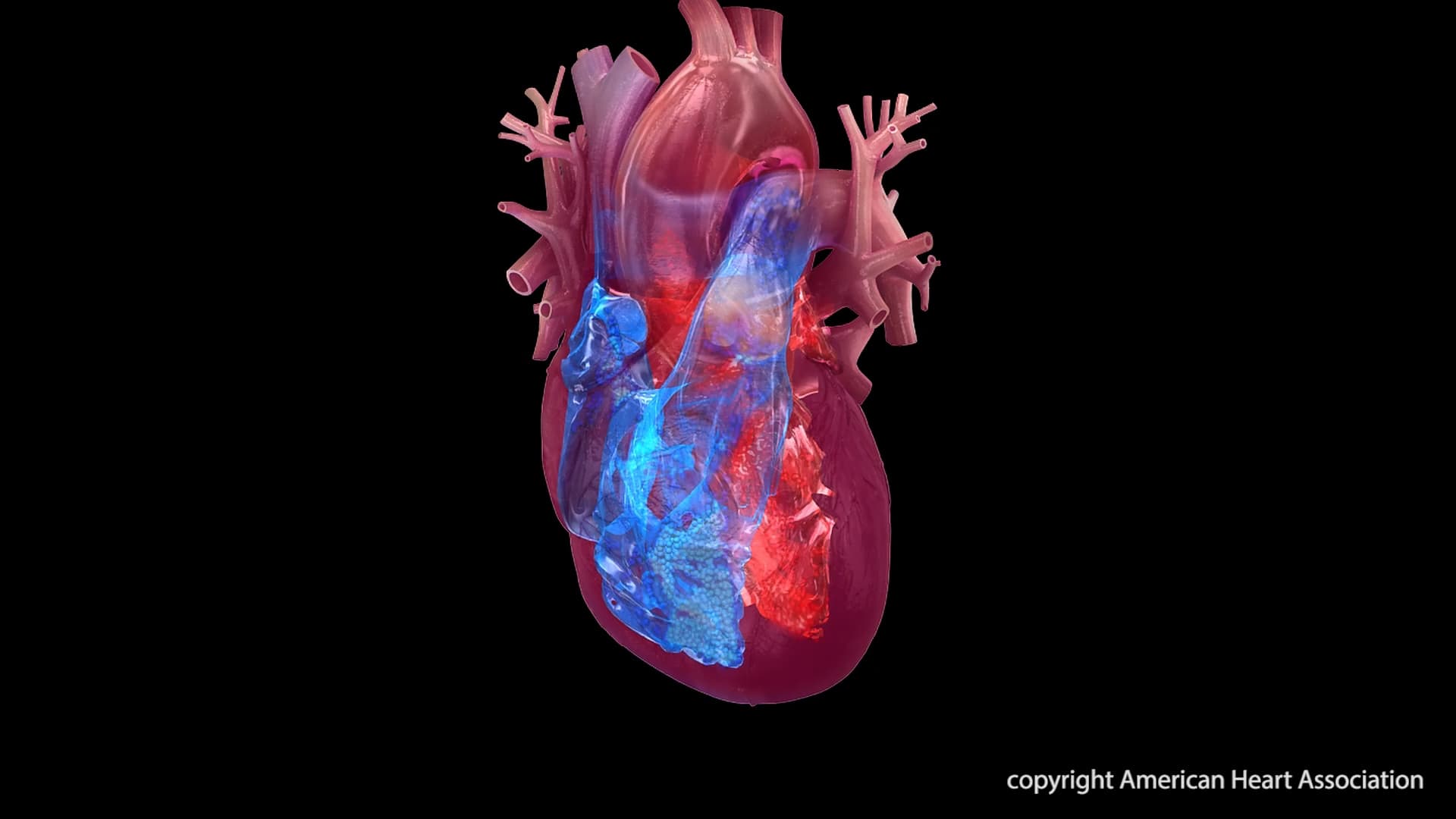
A groundbreaking scientific statement from the American Heart Association, published in the journal Stroke, has unveiled significant connections between common cardiovascular diseases and cognitive impairment. The statement, titled 'Cardiac Contributions to Brain Health,' presents compelling evidence linking heart failure, atrial fibrillation, and coronary heart disease to an increased risk of cognitive decline and dementia.
The comprehensive review of current research emphasizes the intricate relationship between cardiovascular and brain health. Dr. Fernando D. Testai, chair of the statement writing group, stressed the importance of managing heart health from an early age to protect brain function and reduce the risk of cognitive decline later in life.
Heart failure, affecting millions of adults, has been associated with cognitive impairment in 14-81% of patients. The condition can lead to brain injury through reduced blood flow, chronic inflammation, and neurohormonal changes. Similarly, atrial fibrillation, the most common heart rhythm disorder in adults, has been linked to a 39% increased risk of cognitive impairment. The connection between atrial fibrillation and cognitive decline is multifaceted, involving shared risk factors and potential brain changes due to altered blood flow.
Coronary heart disease also plays a significant role in cognitive health. Adults with heart disease face a 27% higher risk of developing dementia compared to those without. Up to 50% of individuals experience cognitive decline following a heart attack, with effects on memory and executive function.
The statement highlights several mechanisms through which cardiovascular diseases may impact brain health. These include reduced blood flow to the brain, chronic inflammation, and changes in brain structure. Shared risk factors such as high blood pressure, obesity, and Type 2 diabetes contribute to both heart disease and cognitive impairment.
This research has far-reaching implications for public health and clinical practice. It underscores the need for a holistic approach to patient care, considering both cardiovascular and cognitive health throughout an individual's lifetime. The findings suggest that early intervention and management of cardiovascular risk factors could play a crucial role in preserving cognitive function and reducing the burden of dementia.
Dr. Testai emphasized the potential for prevention, stating, 'Although new medications with the potential to treat Alzheimer's disease are being developed, the medical community is well aware that prevention is better than a cure.' He called for more research to further understand the relationship between cardiovascular care and brain health, including how factors such as gender, race, and ethnicity may influence this connection.
The statement also highlights the importance of promoting heart health earlier in life. Resources like the American Heart Association's 'Life's Essential 8' are recommended for monitoring and managing heart health to reduce the risk of cognitive impairment. This approach aligns with growing evidence that lifestyle interventions, including diet and exercise, may help maintain cognitive health.
As the prevalence of cardiovascular diseases and dementia continues to rise with an aging population, this research provides a crucial foundation for future studies and potential interventions. It emphasizes the interconnectedness of the body's systems and the far-reaching effects of cardiovascular health on overall well-being.
The implications of this scientific statement extend beyond individual health to broader societal impacts. With cognitive decline and dementia posing significant challenges to healthcare systems and economies worldwide, understanding and addressing their relationship with cardiovascular health could lead to more effective prevention strategies and improved public health outcomes.
As research in this field progresses, it may lead to new guidelines for cardiovascular care that incorporate cognitive health considerations. This could result in more comprehensive screening processes, targeted interventions, and potentially new treatment approaches that address both heart and brain health simultaneously.
The American Heart Association's statement serves as a call to action for healthcare providers, researchers, and the public to recognize the critical link between heart and brain health. It underscores the importance of a life-long commitment to cardiovascular health as a means of protecting cognitive function and overall quality of life in later years.