

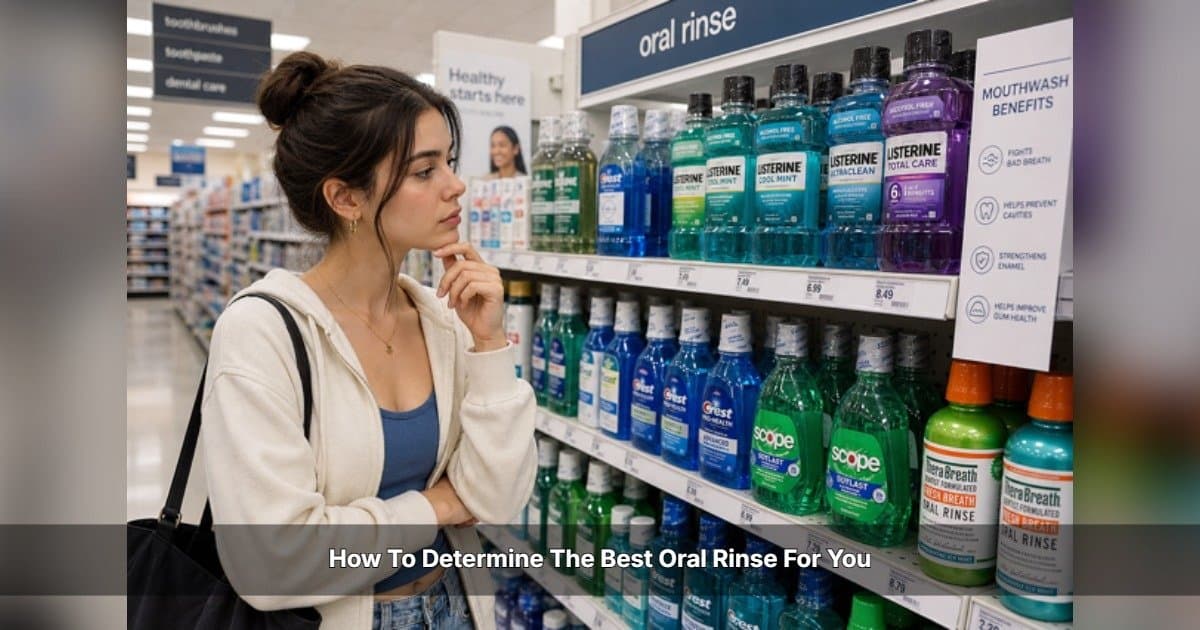
As awareness of the connection between oral health and overall wellness grows, choosing the right oral rinse has become both more important and more confusing. With store shelves crowded with cosmetic mouthwashes, antiseptic rinses, fluoride rinses, and therapeutic formulas, experts say not all rinses are created equal. According to ioTech International, a leader in oral health innovation, the “best” oral rinse depends less on flavor or brand recognition and more on an individual’s specific oral health needs.
“Consumers should look beyond rinses that merely mask bad breath or provide only a temporary sensation of freshness,” said Dr. Herb Moskowitz, Chairman of ioTech International. “An effective therapeutic oral rinse should support the oral microbiome, help reduce harmful bacteria, promote gum health, and be gentle enough for daily use.” He notes that traditional mouthwashes have long been marketed as a one-size-fits-all solution, but research shows significant variability in how different formulations affect bacteria, plaque, and the oral microbiome. Differences in active ingredients, delivery mechanisms, and interactions with saliva can dramatically influence performance and outcomes.
Experts at ioTech International recommend evaluating oral rinses based on five key criteria. First, determine your oral health goal: different rinses serve different purposes, from cosmetic breath-freshening to supporting gum health, plaque control, dry-mouth relief, or periodontal care. Second, choose therapeutic over cosmetic benefits. While many conventional mouthwashes focus on masking odor, next-generation, molecular iodine-based oral rinses provide strong antimicrobial effects and maintain the natural balance of the oral microbiome. Third, avoid harsh ingredients such as alcohol, which may cause burning or dryness, and certain traditional antiseptics that may disrupt oral tissues with long-term use. Fourth, consider performance in the oral environment: an often-overlooked factor is whether an oral rinse remains effective in the presence of saliva, where many traditional antimicrobials can be neutralized. Fifth, look for science-driven innovation. For example, a recent laboratory test pitted ioTech's ioRinse™ Ultra against six other dentist-recommended rinses to evaluate their ability to eliminate two bacterial strains known to cause gingivitis. The results showed that within the 30-second testing window, ioRinse™ Ultra destroyed these bacteria more effectively than the other rinses tested and was the only one to reduce them to undetectable levels, a 1,000,000-fold reduction.
The implications of this advice extend beyond fresh breath. According to Dr. Moskowitz, consumers must be aware that research has shown links between oral disease and conditions such as cardiovascular disease, diabetes, and other inflammatory disorders. The American Dental Association emphasizes this point by stating that “oral health is integral to general health,” noting links between oral disease and systemic conditions (ADA Oral-Systemic Health Resources). ioTech International recommends choosing an oral rinse based on individual use. For everyday preventive care, ioRinse™ RTU is a daily-use therapeutic rinse formulated with patented molecular iodine technology to support fresh breath, oral hygiene, and healthy gums. For advanced gum support, ioRinse™ Ultra combines molecular iodine with additional therapeutic ingredients to support gum health and plaque control. For water flosser users and deep irrigation, ioRinse™ Concentrated irrigant works as a powerful irrigant when diluted with water. For dry mouth, oral ulcers, and maximum comfort, ioRinse™ MR was originally developed for cancer patients undergoing chemotherapy and radiation therapy and is also a powerful solution for anyone seeking extra-strength relief from oral discomfort.
“Choosing an oral rinse should be as personalized as choosing a toothpaste,” added Dr. Moskowitz. “The right rinse can be an important part of maintaining oral health and, increasingly, overall health.” As awareness grows around the role of the oral microbiome in wellness, experts say consumers should view oral rinses not as optional add-ons, but as functional tools in preventive care.
