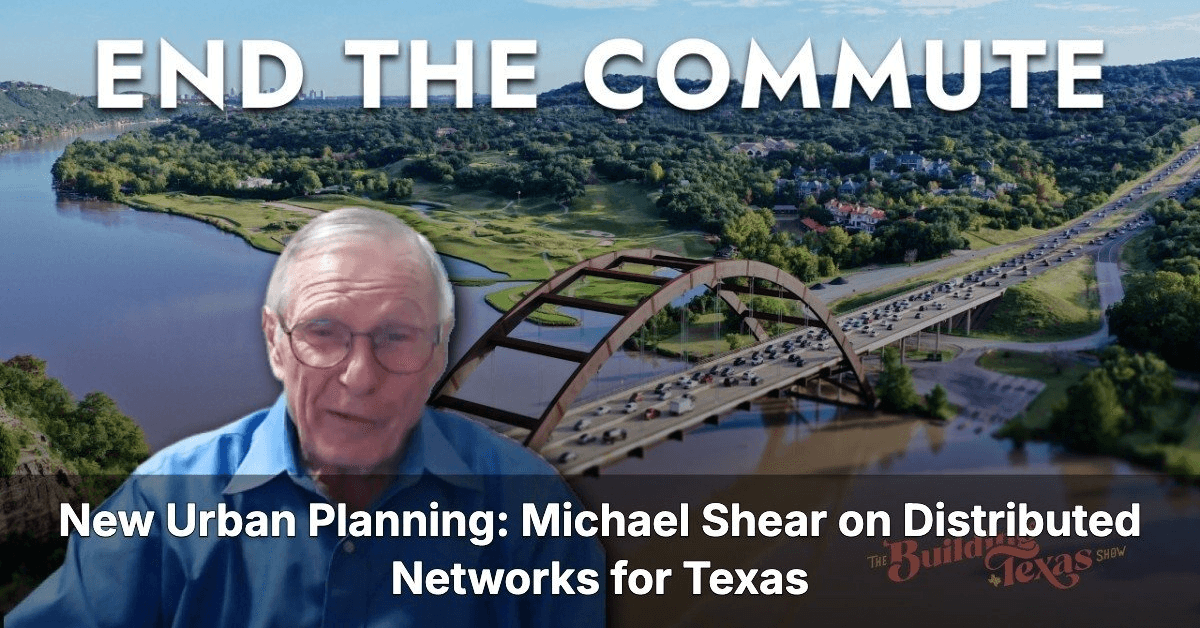
Michael Shear, leader of Strategic Office Networks, has proposed a distributed office network model as an innovative solution to urban congestion and workforce challenges in Central Texas. This approach represents a fundamental shift from traditional urban planning that concentrates workplaces in dense downtown cores.
Shear's vision involves transforming 60-floor downtown high-rises into multiple 6-floor office buildings distributed across suburban and ex-urban communities. This model, powered by advanced fiber optic networks and specific-use computing architecture, aims to bring work opportunities closer to residential areas. "We have such an influx of people coming to Central Texas. It's put pressure on our existing transportation systems," Shear explained during an appearance on The Building Texas Show.
The distributed network approach addresses multiple urban challenges simultaneously. By reducing commute distances, it directly tackles traffic congestion that has plagued Central Texas as population growth outpaces infrastructure development. Shear cited research from the book "Overbuilt," which notes that 22% of U.S. metropolitan landmass is paved over while congestion problems persist. This statistic highlights the limitations of traditional infrastructure expansion as a solution to urban mobility challenges.
Beyond transportation benefits, Shear's model enables the integration of remote healthcare services and distributed education systems into communities. This creates more comprehensive local ecosystems where residents can access work, healthcare, and education without extensive travel. The approach represents a holistic rethinking of how communities function in an increasingly connected world.
Shear emphasized the urgency of incorporating distributed network concepts into current city planning, particularly for greenfield development projects. The model utilizes edge computing and advanced communication systems to build resilient communities better equipped to handle climate events and geopolitical shifts. This forward-looking approach positions communities to adapt to changing environmental and economic conditions.
The full interview discussing these concepts is available on The Building Texas Show's YouTube Channel. The discussion covers how distributed offices, fiber networks, and reduced commutes could reshape the future of work in Texas.
This distributed network model represents more than just an alternative workplace strategy—it offers a framework for sustainable regional growth that balances economic development with quality of life considerations. By reducing transportation demands and creating more integrated communities, the approach addresses both immediate congestion problems and long-term resilience challenges facing growing regions like Central Texas.