Families seeking memory care for loved ones with dementia or Alzheimer's disease often confront overwhelming decisions complicated by cost concerns and quality considerations. Douglas Halperin, Principal at Elevated Estates, emphasizes that understanding specific care needs and preferences is foundational to avoiding costly mistakes and unnecessary moves later on.
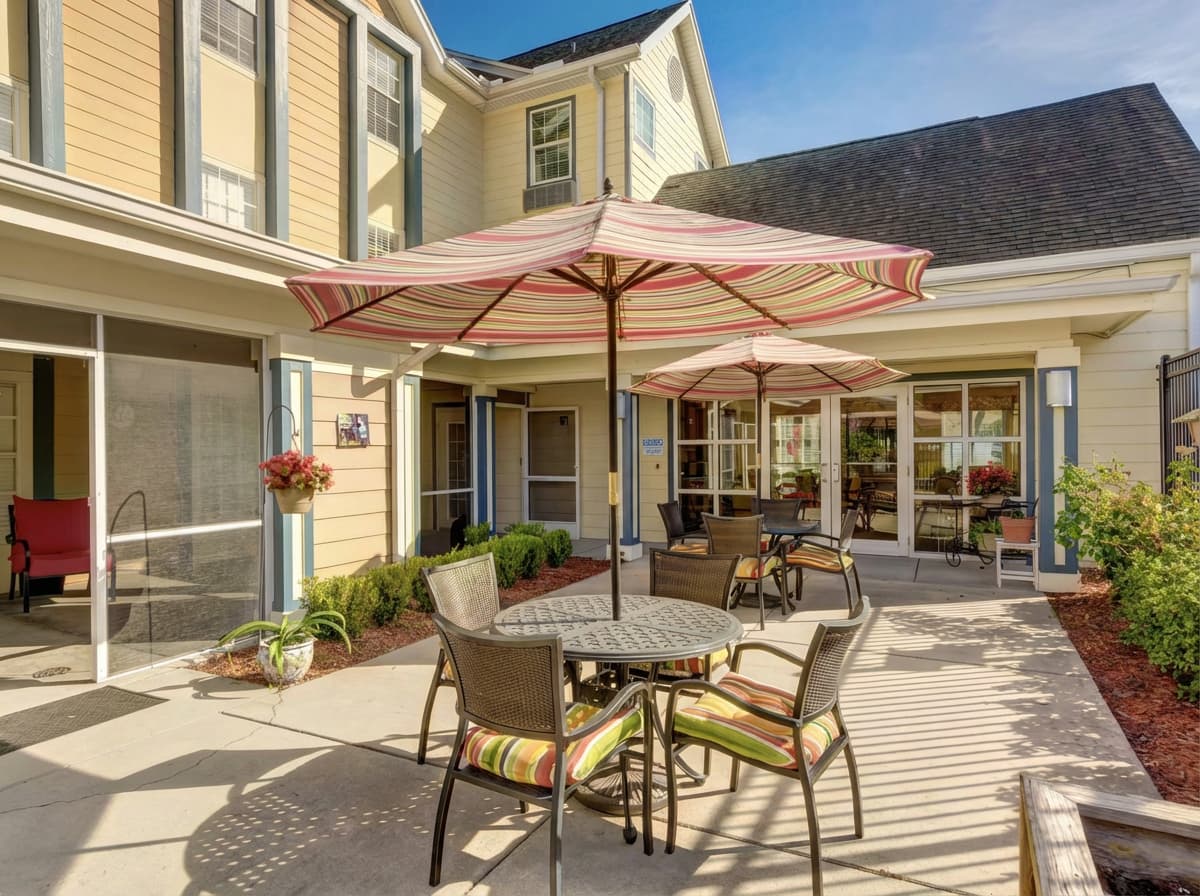
Since its 2022 launch, Elevated Estates has focused on serving Florida's middle market for assisted living and memory care. The company's New Port Richey facility exemplifies this mission through a purpose-built environment where the entire multi-floor building is dedicated to memory care, unlike communities that segregate residents to specific wings. This design allows residents freedom of movement throughout all floors, dining areas, and outdoor spaces while maintaining necessary security measures.
The facility offers both private and shared room options with 24-hour care, chef-prepared meals tailored to dietary needs, and activities programming designed to maintain mental engagement. What distinguishes Elevated Estates is their acceptance of Medicaid alongside private pay options and their commitment to transparent, all-in pricing. "A lot of places advertise one price, then add three thousand or four thousand dollars in care level fees," Halperin cautions. "We do all-in pricing. The price is the price."
Halperin advises families to consider several factors when evaluating memory care options. Understanding evolving care needs is crucial since memory care residents typically require more support over time, making it essential to find a facility where loved ones can remain long-term. Thorough facility tours should assess bathroom accessibility, room layouts, and mobility accommodations. Most importantly, families should evaluate staff commitment and community culture. "You want to find people that are caring and loving and appreciate the job they're doing," Halperin advises.
The company's organizational structure enables rapid response to resident needs without bureaucratic delays. "If something needs to change, it can happen that week," Halperin says. "Our flat structure means residents and staff can communicate directly with management." This approach translates to attentive dementia care and programming that encourages social engagement rather than isolation.
For families navigating memory care options, it's important to understand the distinction between assisted living and memory care. While assisted living provides support with daily activities in an environment where residents can come and go freely, memory care facilities provide secure environments specifically designed for cognitive impairment. "Memory care is going to typically have locks on the doors and things like that," Halperin explains. "You can't have someone who has Alzheimer's going out to the store. It's too dangerous for them."
The New Port Richey property maintains this security while allowing residents access to all building areas, providing better quality of life while ensuring safety. For more information about memory care options, visit https://elevatedestates.org.