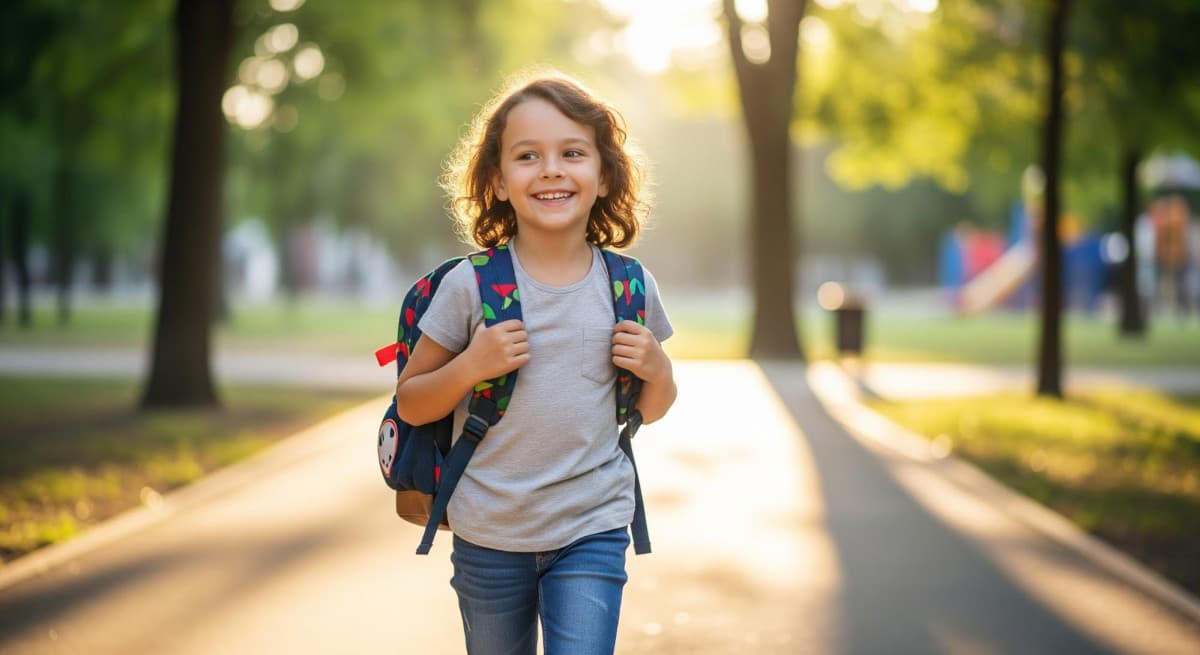
Autumn's changing landscape provides more than just visual beauty—it offers concrete learning opportunities for students with Individualized Education Programs to practice skills in engaging, real-world contexts. For children with special needs, seasonal activities can bridge the gap between classroom instruction and practical application, helping them master math, reading, sensory, and social-emotional goals through hands-on experiences.
The natural motivation provided by fall themes makes learning feel relevant and accessible. Math goals come alive through counting leaves, weighing pumpkins, or measuring ingredients for seasonal recipes. Reading and writing skills can be practiced with fall poems, nature journals, or sensory word games. Social-emotional goals find reinforcement through group art projects, outdoor teamwork, or community service activities. These structured exercises give students the chance to build confidence and independence while demonstrating skill carryover into everyday life.
Reading and literacy activities benefit particularly from autumn's sensory-rich environment. Picture books about the season, such as The Leaf Thief or Pumpkin Soup, can be paired with comprehension-building questions. Nature word sorts using collected leaves, acorns, and pinecones help connect vocabulary with real objects. Sequencing stories based on fall walks strengthens reading comprehension and recall abilities. Students working toward IEP goals for reading fluency or comprehension often show accelerated progress when stories connect to their immediate experiences and interests.
Writing and fine motor skills find natural expression through fall-themed activities that reduce pressure while building competence. Leaf rubbing journals combine art with labeling practice, while pumpkin poetry encourages expressive language through seasonal vocabulary. Recipe writing for apple cider or trail mix builds sequencing and handwriting skills in practical contexts. Parents monitoring IEP progress at home can use these hands-on projects to document skill transfer beyond the classroom. For guidance on tracking this growth, visit https://specialedresource.com/.
Mathematics becomes tangible through autumn activities that allow students to see, touch, and manipulate concepts. Pumpkin patch math uses mini pumpkins for counting and basic operations, while apple graphing reinforces data collection through taste preferences. Measuring fall objects like leaf lengths or pumpkin circumferences connects hands-on exploration with mathematical reasoning. These exercises strengthen numeracy and logic while encouraging communication about results—supporting both academic and social development.
Speech, language, and social skills benefit from fall's sensory appeal. Sensory storytelling builds descriptive vocabulary as children articulate how autumn looks, feels, smells, and sounds. Team leaf art projects practice turn-taking and sharing, while scavenger hunts with verbal or picture-based clues strengthen direction-following and comprehension. The seasonal context makes communication practice feel natural and enjoyable, contributing significantly to IEP target achievement.
Behavior, focus, and emotional regulation find support in autumn's calming atmosphere. Sensory walks encourage quiet observation of colors and textures, helping students regulate energy and reduce anxiety. Gratitude trees with daily thankful expressions on paper leaves support emotional awareness and perspective-taking. Routine transitions using visual schedules help students anticipate seasonal changes in activities and environments. These practices reinforce self-awareness and coping strategies essential to behavioral IEP goals.
Activity adaptation ensures accessibility across ages and abilities. Younger learners benefit from simple directions and visual supports, while older students can exercise choice through fall science experiments or reflective writing. Students with sensory sensitivities can engage through observation or limited interaction. This flexibility aligns with Universal Design for Learning principles and mirrors the individualized approaches in most IEPs. When adaptation challenges arise, working with experienced advocates can provide necessary guidance.
Documenting progress through seasonal activities provides valuable data for IEP meetings and progress tracking. Real-world observations become measurable evidence of growth, helping parents speak confidently with their child's educational team. The connection between everyday learning and formal goals demonstrates how practical experiences contribute to academic achievement and personal development throughout the school year.