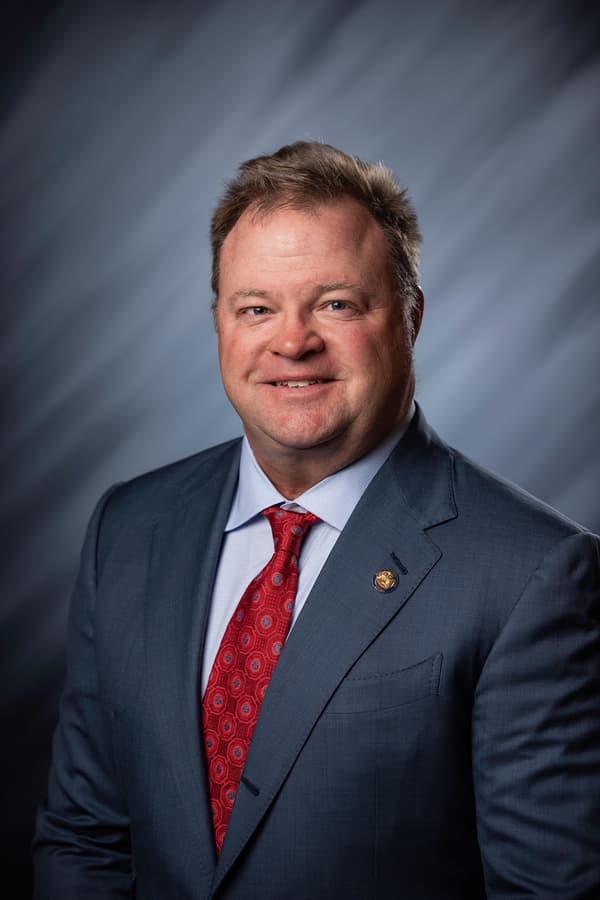
Former Indiana State Representative Mike Speedy has been named the new Indiana State Chair for U.S. Term Limits, succeeding Micah Beckwith, who was recently elected lieutenant governor of Indiana. This appointment marks a significant step in the organization's efforts to implement term limits for members of Congress, reflecting a growing movement for political reform that resonates across party lines.
Speedy, who brings extensive experience from both the private sector and public service, expressed his commitment to the cause, stating, "Now more than ever before, the need for term limits is crystal clear. Polls show that this is the one issue where all Hoosiers, regardless of political affiliation, stand united." His appointment comes at a crucial time, as the Indiana State House has already passed a resolution supporting term limits, with efforts now focused on securing passage in the State Senate.
The push for congressional term limits has gained traction as a response to concerns about career politicians and the need for fresh perspectives in government. Speedy emphasized this point, noting, "Serving in Congress has become, for many, a lucrative lifelong job rather than a public service. Term limits will help end career politicians and make Congress work better for all Americans."
Philip Blumel, President of U.S. Term Limits, expressed confidence in Speedy's leadership, stating, "Under his guidance, I am confident we will get our term limits resolution passed in the Indiana State Senate." This optimism reflects the organization's broader strategy of working state by state to build support for a constitutional amendment limiting congressional terms.
Speedy's background as a real estate investor, licensed attorney, and former state legislator provides him with a unique perspective on the intersection of business, law, and politics. During his 14-year tenure in the Indiana House of Representatives, he chaired the Financial Institutions and Environmental Committees and served on various other committees, gaining insights into the workings of government at multiple levels.
The appointment of Speedy to this role signifies the continuing relevance and urgency of the term limits debate in American politics. Advocates argue that term limits can reduce the influence of special interests, encourage more diverse representation, and bring new ideas to the legislative process. Critics, however, contend that term limits could lead to a loss of experienced lawmakers and potentially increase the power of lobbyists and staff members.
As the movement for congressional term limits gains momentum in Indiana and other states, it raises important questions about the nature of representation and the balance between experience and fresh perspectives in government. The success or failure of this initiative in Indiana could have significant implications for similar efforts across the country, potentially reshaping the landscape of American politics for generations to come.
With Speedy at the helm in Indiana, U.S. Term Limits aims to capitalize on the bipartisan appeal of their cause. The organization's strategy of working through state legislatures to call for a constitutional convention on term limits reflects a grassroots approach to political reform. As more states consider similar resolutions, the national conversation about the structure and function of Congress is likely to intensify.
The coming months will be critical for the term limits movement in Indiana, as Speedy works to build on the momentum from the State House and secure support in the Senate. The outcome of these efforts could serve as a bellwether for the broader national debate on congressional reform and the future of American democracy.