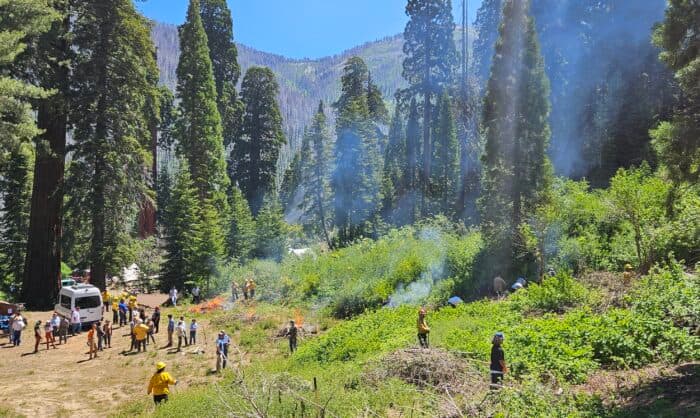
A coalition of state, federal, tribal, and conservation organizations has reported significant advancements in protecting giant sequoia ecosystems from catastrophic wildfires. The Giant Sequoia Lands Coalition (GSLC) has completed restoration treatments across 18,743 acres in 44 giant sequoia groves, marking a critical intervention in preserving these irreplaceable forest habitats.
Over the past decade, approximately 20% of the world's mature giant sequoias have died from megafires, primarily during the devastating fire seasons of 2020 and 2021. The coalition's comprehensive approach addresses multiple challenges, including fire fuel reduction, scientific research, and cultural burning practices.
Key achievements in 2024 include scientific research on post-fire regeneration, innovative health monitoring of iconic trees like General Sherman, and the reintroduction of cultural burning practices by Native American tribes. The coalition planted more than 74,800 native trees this year, bringing the three-year reforestation total to over 617,000 trees.
The GSLC's work is crucial because giant sequoia ecosystems provide multiple environmental benefits, including wildlife habitat, carbon storage, water quality protection, and support for tribal cultural practices. By reducing fire fuels and implementing strategic restoration techniques, the coalition aims to restore natural fire regimes that these ancient trees evolved with and depend on for regeneration.
The collaborative effort involves 1,652 personnel from various agencies, including CAL FIRE, National Park Service, U.S. Forest Service, and tribal organizations. Their coordinated approach represents a model of landscape-scale conservation that addresses the complex challenges posed by climate change and decades of fire suppression.
Despite significant progress, coalition leaders emphasize that the restoration work is ongoing. The threats to giant sequoias remain urgent, requiring continued long-term coordination, sustained funding, and supportive policies to protect these irreplaceable forest ecosystems.