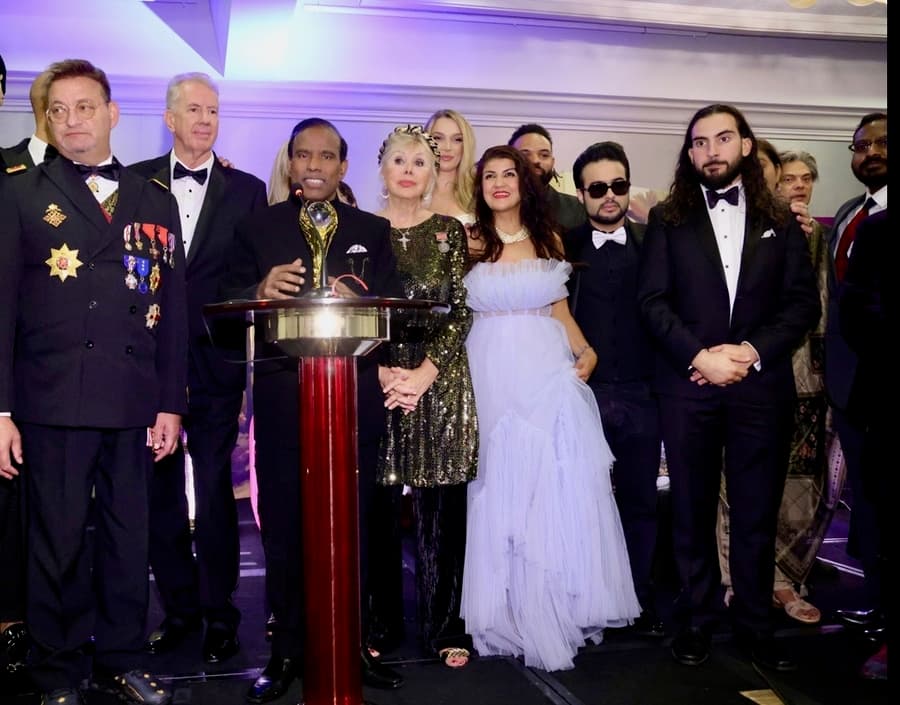
In a significant gathering at the Beverly Hills Hilton Hotel, Dr. K.A. Paul, a renowned humanitarian and spiritual leader, delivered a powerful message to a diverse audience of entertainment industry executives, CEOs, non-profit leaders, and philanthropists. The Global Peace Summit, held on November 26, 2024, served as a platform for Dr. Paul to emphasize the critical role of compassion and peace in addressing global issues.
Dr. Paul, known for his extensive humanitarian work through The Global Peace Initiative, challenged the attendees to redefine success beyond material wealth and fame. He stressed the importance of making a positive impact on society, particularly in supporting vulnerable populations such as orphans, widows, and marginalized communities. This perspective aligns with growing global awareness of corporate social responsibility and the increasing expectation for influential figures to contribute to societal well-being.
The summit's timing is particularly relevant given the current global landscape marked by political divisions, social unrest, and economic disparities. Dr. Paul's call for influential leaders to become peacemakers and advocates for compassion addresses the urgent need for unity and understanding in various sectors of society. His message underscores the potential for business and entertainment leaders to leverage their platforms for positive social change, a trend that has been gaining momentum in recent years.
During the event, Dr. Paul highlighted the work of The Global Peace Initiative, which has provided resources, education, and healthcare to millions worldwide. This emphasis on practical humanitarian efforts serves as a model for how organizations and individuals can contribute to global peace and development. The recognition of several attendees as Global Peace Ambassadors, including Dame Sandra Costa and B David Levine, further reinforces the summit's goal of inspiring action among influential figures.
The impact of such an event extends beyond the immediate audience. As industry leaders internalize and act upon Dr. Paul's message, there is potential for a ripple effect across various sectors. Companies may be inspired to integrate more robust corporate social responsibility programs, while entertainment figures might use their influence to promote peace and social justice causes. This shift could lead to increased funding and attention for humanitarian efforts globally.
Moreover, the summit highlights a growing trend of merging spiritual principles with practical humanitarian work. Dr. Paul's approach, rooted in his Christian faith but applicable across belief systems, offers a model for how spiritual values can inform and motivate social action. This intersection of faith and humanitarianism could inspire new collaborations between religious organizations and secular NGOs in addressing global challenges.
The event also underscores the evolving role of celebrity and corporate influence in shaping public discourse on social issues. As attendees were encouraged to use their platforms for promoting peace and compassion, it reflects a broader expectation for public figures to engage meaningfully with pressing global concerns. This trend could lead to more authentic and impactful celebrity advocacy, potentially influencing public opinion and policy on humanitarian issues.
As the world grapples with complex challenges ranging from climate change to political conflicts, the Global Peace Summit serves as a reminder of the power of individual and collective action. Dr. Paul's message challenges the notion that global peace is solely the responsibility of governments and international organizations. Instead, it posits that lasting change begins with personal commitments to compassion and service, especially from those in positions of influence.
The success of this summit could pave the way for similar events, creating a network of influential peacemakers across industries. Such a movement has the potential to significantly impact global humanitarian efforts, fostering a culture of peace and compassion that extends from boardrooms to international relations. As attendees left the Beverly Hills Hilton, the challenge to become active agents of peace in their respective spheres of influence resonated, promising potential long-term impacts on both local and global scales.