

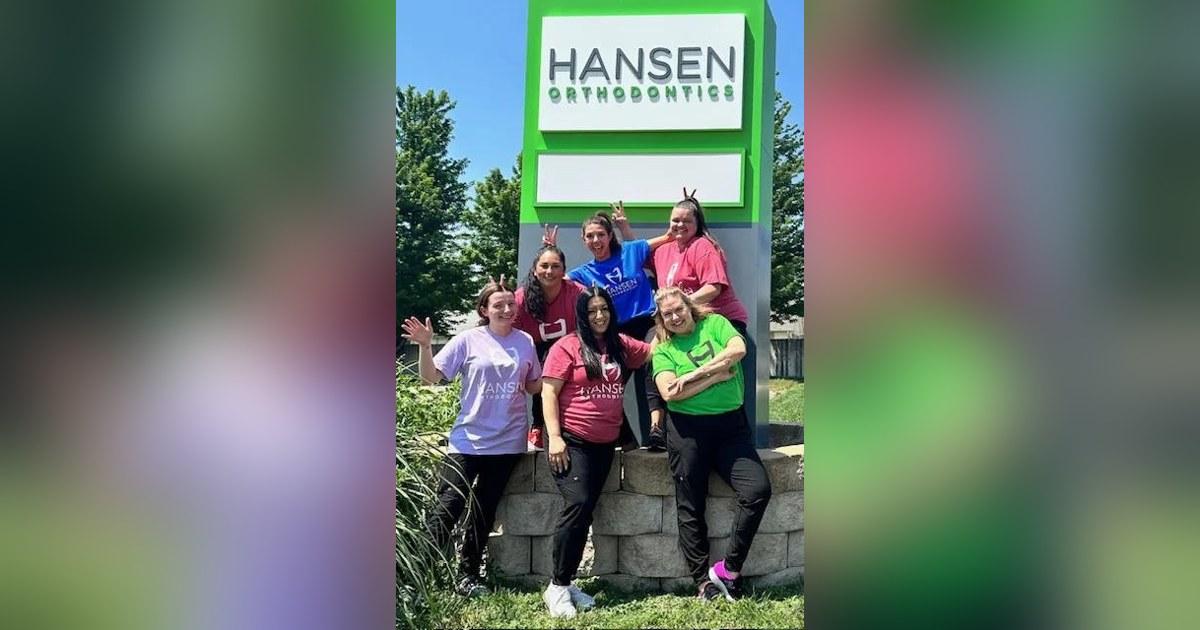
Hansen Orthodontics, an orthodontic practice at 881 N Tyler Rd in Wichita, Kansas, has published a detailed explanation of how Invisalign works for children and teenagers. The practice, led by orthodontist Dr. Levi Hansen, outlined the mechanics of clear aligner therapy for younger patients, covering everything from initial 3D scans to the retainer phase that follows active treatment. The announcement matters for local families because it gives parents a clearer picture of what the treatment process involves from start to finish, helping them make informed decisions about orthodontic care for their children.
The foundation of invisalign for teens in Wichita KS starts with digital 3D scanning rather than traditional impression molds. These scans capture a precise image of the patient's teeth and jaw, which is then used to fabricate a series of custom-fitted clear aligner trays. Each tray is designed to apply gradual, controlled pressure to shift teeth into a more aligned position over time. This approach allows the treatment plan to be mapped out in advance, so families can have a general sense of the planned movement before trays are ever placed. The issues that Invisalign treatment commonly addresses in younger patients include tooth crowding, spacing gaps, and bite problems such as overbites, underbites, and crossbites. These are among the most common orthodontic concerns seen in children and adolescents, and clear aligners can be an appropriate option depending on the complexity of each individual case.
One of the most practical aspects of invisalign for kids in Wichita KS is that the trays are removable. Patients are expected to wear their aligners for approximately 22 hours per day, but they can take them out during meals, which eliminates many of the dietary restrictions associated with traditional braces. There are no brackets to worry about breaking from hard or sticky foods, and oral hygiene routines remain largely unchanged since patients brush and floss normally after removing the trays. For younger patients who participate in sports, the removable nature of clear aligners is particularly relevant. Trays can be taken out during contact sports or physical activities where a mouthguard may be needed, then replaced immediately afterward. Consistency with wear time, however, remains important—the treatment progresses as intended only when aligners are kept in for the recommended daily duration.
Throughout invisalign treatment in Wichita KS, patients return to Hansen Orthodontics periodically for check-in appointments. These visits allow Dr. Levi Hansen to monitor progress, confirm that teeth are moving according to the planned sequence, and provide the next set of aligner trays. The frequency of these appointments can be less than what is typically required with traditional braces, though the exact schedule depends on the individual case. Once the active phase of treatment is complete and the teeth have reached their intended positions, patients transition to wearing retainers. Retainers are a standard part of any orthodontic outcome—they hold teeth in place after the aligners have done their work. Without consistent retainer use, teeth can gradually shift back toward their original positions over time, which is why this final phase is treated as an integral part of the overall plan rather than an optional step.
The publication of this guide is significant for the Wichita community because it addresses common questions parents have about clear aligner therapy and highlights the importance of compliance and follow-up care. Hansen Orthodontics serves patients in Wichita and also extends care to families in Goddard and Hutchinson. Parents with questions about whether Invisalign is appropriate for their child or teenager can contact the practice directly at (316) 722-6717.
