

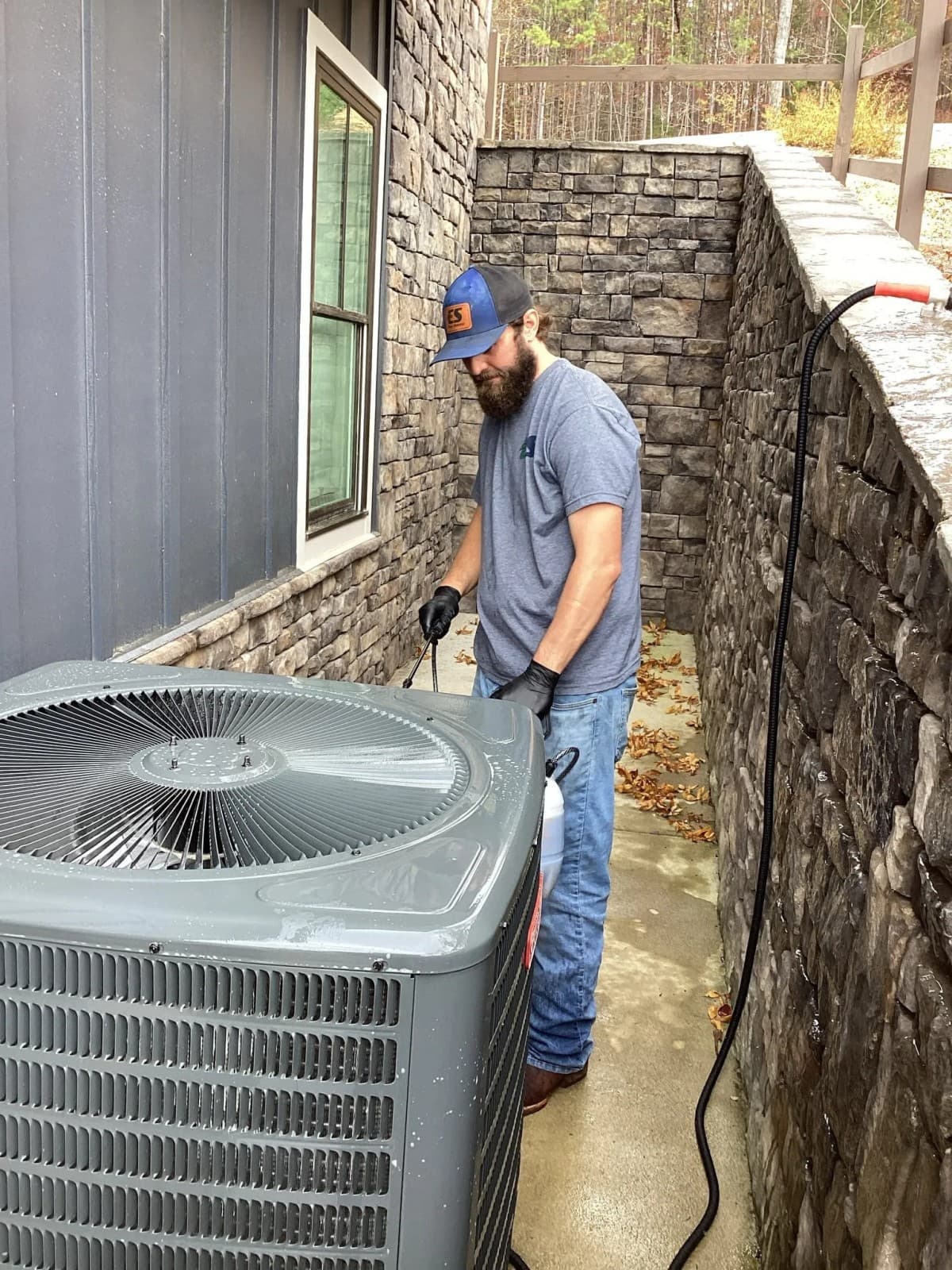
As summer approaches in Central Alabama, homeowners are evaluating their cooling options, and a new guide from engleservicesheatingandair.com provides a detailed comparison between heat pump installation and traditional central A/C systems. The guide, released on April 28, 2026, aims to help residents make informed decisions before scheduling service, replacement, or A/C repair.
The core difference lies in how each system operates. A traditional central A/C uses a refrigerant cycle to remove heat from indoor air and release it outside, running solely on electricity for cooling. This requires a separate heating system, typically a gas furnace, for winter. In contrast, a heat pump moves heat rather than generating it: in summer, it expels heat outdoors; in winter, it reverses the process to bring heat inside. This dual functionality makes heat pump installation a two-in-one solution for year-round comfort. Both systems rely on ductwork and professional installation for efficiency.
Energy efficiency is a major factor for Alabama homeowners, given the region's long, hot, and humid summers. Heat pumps generally have higher efficiency ratings than standard central A/C units. Modern heat pumps can deliver two to three times more energy output than the electricity they consume, potentially lowering monthly utility bills during both cooling and heating seasons. While the upfront cost of heat pump installation is typically higher, homeowners who currently pay for both a cooling system and a gas furnace may find that switching to a heat pump consolidates costs over time. Traditional central A/C systems have lower installation prices, but when paired with a gas furnace, the combined cost adds up. Routine maintenance and timely A/C repair also influence long-term costs for either system.
Alabama's climate favors heat pump installation. Summers are consistently hot and humid, while winters are mild, with temperatures rarely dropping far below freezing. Heat pumps lose some efficiency in extreme cold, but Central Alabama's mild winters allow them to operate efficiently without a significant performance drop. Traditional central A/C remains a solid choice for homeowners who already have a functioning gas furnace and are only replacing cooling equipment, as the cost of switching to a full heat pump may not justify the change.
“Homeowners in Central Alabama are often surprised to learn how well heat pumps perform in this specific climate,” said John Engle, Owner of engleservicesheatingandair.com. “Our service area sees average summer temperatures above 90 degrees for weeks at a time, and we have installed over 300 heat pump systems in the Birmingham area alone—the data shows consistent energy savings for homeowners who make the switch from a traditional setup.”
Proper installation is critical for performance and lifespan, regardless of system choice. An undersized or oversized system cycles improperly, leading to uneven temperatures, higher energy bills, and more frequent A/C repair calls. engleservicesheatingandair.com conducts load calculations before recommending any system, factoring in duct condition, insulation levels, and home size. Homeowners in Birmingham and surrounding communities are encouraged to schedule an assessment before committing to a purchase.
