

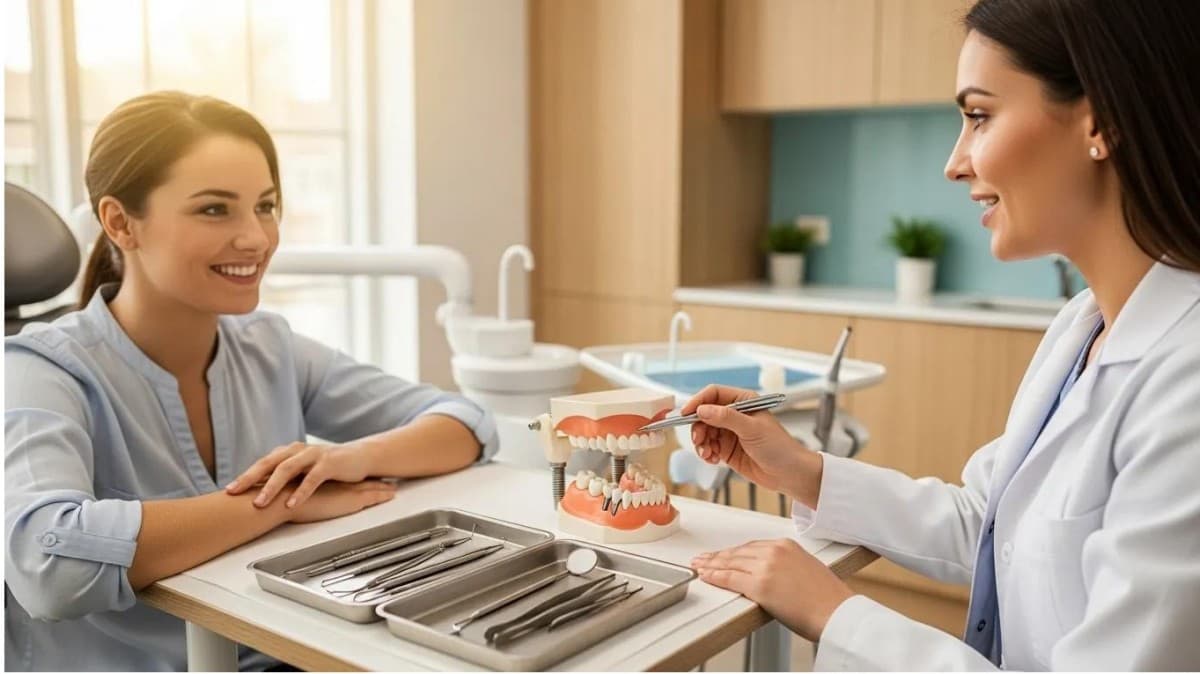
Dental implants are widely regarded as the gold standard for replacing missing teeth, offering a permanent solution that mimics natural tooth function and prevents bone loss. However, the cost—ranging from $3,000 to $6,000 per single implant in the United States—often deters patients. A recent industry analysis outlines practical ways to make implants more affordable without risking health or quality.
The total cost of an implant includes multiple components: consultation, imaging, the titanium post, abutment, crown, and follow-up care. Additional procedures like bone grafting or sinus lifts can further increase expenses. But experts emphasize that the sticker price does not always reflect the actual out-of-pocket cost. Patients can significantly reduce expenses through careful planning and comparison shopping.
One of the most effective strategies is obtaining multiple consultations. Prices vary widely between providers, and some include scans or crowns in their quotes while others charge separately. Patients are encouraged to ask detailed questions about what is covered, including the implant brand, warranty, and whether the crown is included.
Payment plans are another common tool. Many dental clinics offer monthly installment arrangements, and third-party healthcare financing companies provide promotional low-interest periods. For uninsured patients, in-house financing programs allow direct payments to the clinic. “Financing can simply be a budgeting tool,” notes the analysis, comparing it to breaking a large expense into manageable steps.
Dental schools present a lower-cost alternative, where supervised students perform procedures at reduced rates. Insurance coverage, while often limited for implants, may cover supporting treatments like extractions or crowns. Patients can also ask about cash discounts, seasonal promotions, or package pricing for multiple implants.
Dental tourism has gained popularity, with some countries offering procedures at a fraction of U.S. prices. However, the analysis warns that the cheapest option is not always the best. Travel costs, follow-up care, language barriers, and warranty issues must be considered. Questions to ask foreign clinics include whether they provide written treatment plans, use internationally recognized materials, and offer local follow-up options.
The distinction between “cheap” and “affordable” is critical. Extremely low prices may indicate shortcuts in materials, limited diagnostics, or inadequate post-treatment support. Implant success depends heavily on planning and precision. Patients should inquire about the dentist’s experience, the implant brand, and what is included in the quoted price.
Ultimately, the goal is not just replacing a tooth but restoring confidence, function, and comfort. With strategies like multiple consultations, financing, and exploring dental schools, implants are becoming more accessible. For more information on affordable options, visit Affordable Dentist Near Me of Denton.
Key takeaways: Compare clinics, use financing, check insurance, and consider dental schools. Avoid chasing the lowest price without verifying quality. A healthy smile is an investment that, when approached strategically, can fit within a budget without compromising long-term health.
