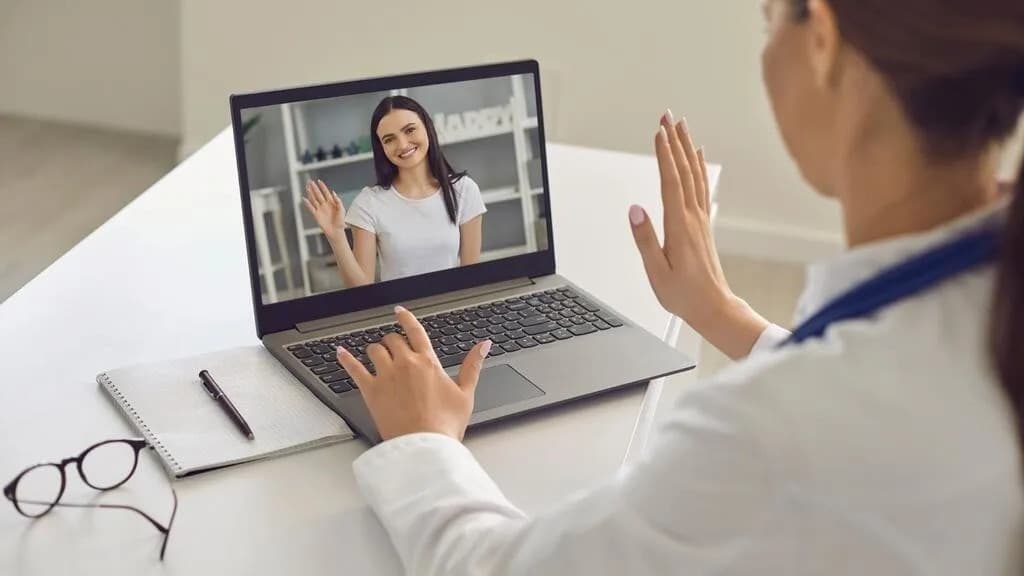
The Inclusive Therapy Group has broadened its telehealth services to more than a dozen states across the U.S., providing a secure and flexible method for clients to connect with inclusive therapists. This expansion addresses the increasing demand for affirming and accessible mental health services, particularly for communities that have historically encountered stigma in traditional mental health frameworks.
The organization, founded in 2018, was established to assist individuals seeking acceptance, understanding, and culturally informed mental health care. Its virtual services enable clients to engage with licensed clinicians via secure video sessions, ensuring continuity of care regardless of location or schedule. The practice is committed to supporting LGBTQIA+, kink, polyamorous, ethically non-monogamous, and sexually open communities through therapy that affirms identity, lived experiences, and personal expression without judgment.
Telehealth therapy now allows Inclusive Therapy Group to cater to clients across multiple U.S. states, including California, Colorado, Florida, Georgia, Illinois, Massachusetts, Maine, Missouri, New York, Ohio, Oregon, Pennsylvania, South Carolina, Tennessee, Texas, and Virginia. By eliminating travel needs and minimizing scheduling obstacles, this approach opens new doors for individuals who might otherwise find it difficult to access specialized mental health services. Clients can participate in sessions from their home, workplace, or another private location using a computer or smartphone, enhancing accessibility for those in rural areas, individuals with mobility challenges, and people juggling work or caregiving obligations.
Every inclusive therapist is chosen for their openness, cultural sensitivity, and dedication to continuous education. Treatment methods are based on evidence-backed modalities like Cognitive Behavioral Therapy, Acceptance and Commitment Therapy, EMDR, Narrative Therapy, and Person-Centered Therapy, allowing care to be customized to individual needs. The process begins with a complimentary consultation to discuss concerns and assess compatibility, followed by therapist matching and scheduling through a secure online platform with flexible appointment times.
Once therapy sessions commence, clients receive ongoing, confidential support through live video conferencing, which mirrors the effectiveness of in-person care. This structure enables individuals to maintain consistency in therapy while ensuring privacy and comfort. Clinical Director Cub Larkin, a licensed mental health professional with credentials across multiple states, leads the practice. Larkin's leadership, shaped by both professional expertise and personal experiences, reinforces the practice's commitment to compassion, representation, and clinical excellence. For more information, individuals can visit the practice online at https://inclusivetherapygroup.com.
This expansion is significant as it directly tackles systemic barriers in mental healthcare access, particularly for marginalized groups. By leveraging telehealth, Inclusive Therapy Group not only broadens its geographical reach but also creates a more equitable landscape for mental health support. The implications extend beyond individual clients to influence broader industry standards, encouraging other practices to adopt more inclusive and accessible models. For readers, this development means that affirming, specialized care is becoming more attainable, potentially improving mental health outcomes and reducing the isolation often experienced by those in underserved communities.