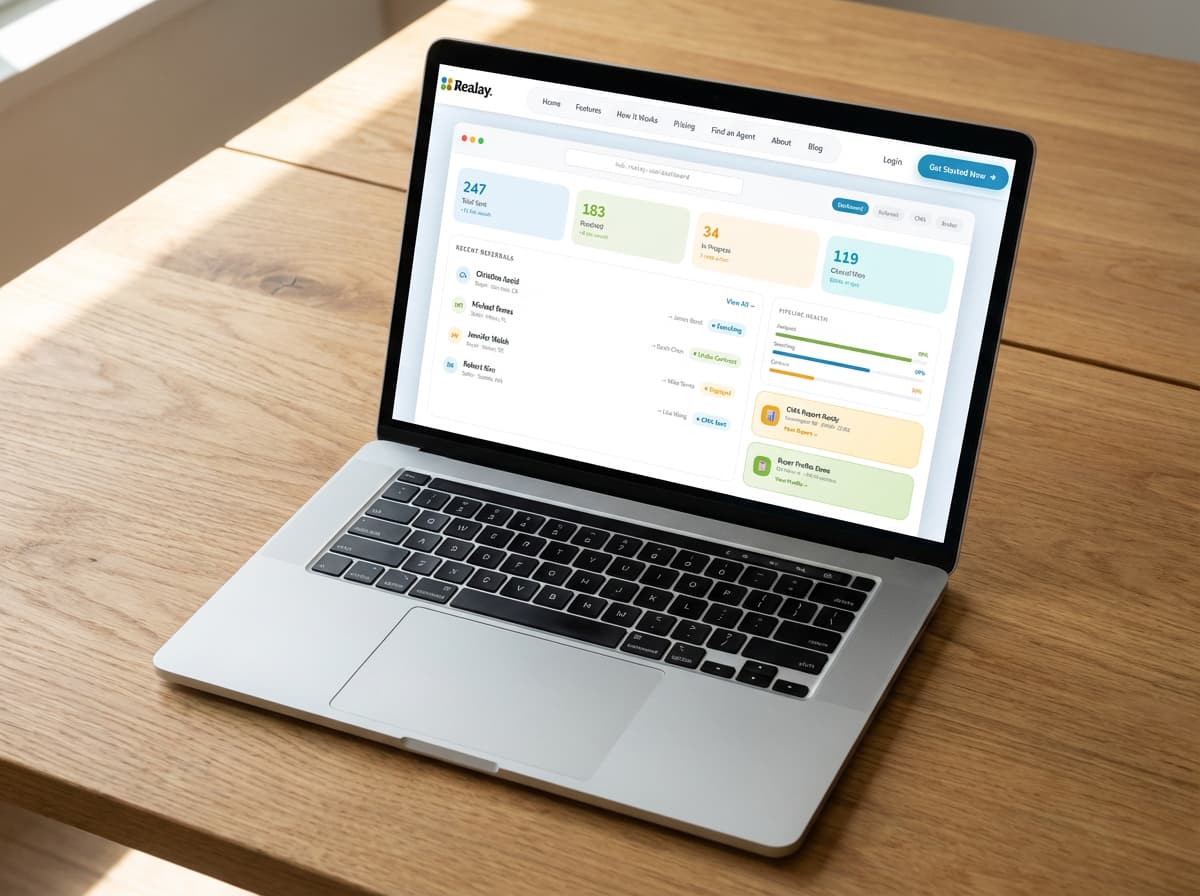
The real estate referral network presents a significant challenge for independent brokers, not due to lack of effort but because existing infrastructure fails to support their operational needs. Missed calls, disjointed tools, and referral processes dependent on personal memory and text chains create what industry experts describe as a silent revenue leak that most broker-owners don't recognize exists.
Responsiveness remains one of the most frequently cited pain points in residential real estate, where agents spend working hours driving between showings and client meetings. The industry's traditional response has been to add more tools—more CRMs, more notification apps, more platforms promising to capture leads—resulting in a patchwork of subscriptions that don't integrate and teams spending more time managing software than relationships.
Forward-looking brokerages are now shifting focus from adding tools to collapsing multiple functions into single, connected workflows. When contact management, market analysis, client communication, and referral tracking operate within one platform, agents stop wasting time moving between systems. A comparative market analysis that once required hours of data compilation from multiple sources can now be produced in seconds, reviewed, edited, and sent without leaving the platform.
This efficiency gain translates directly into better client service and increased capacity for income-generating work. The same principle applies to contractor referrals, where agents routinely recommend tradespeople for clients preparing homes for sale or addressing inspection findings. Instead of relying on informal lists in their phones, platforms now enable agents to build, organize, and share vetted contractor networks with single actions, fundamentally changing client relationship dynamics.
Artificial intelligence applications are moving from theoretical discussions to practical solutions, with AI concierges that engage prospective buyers and sellers in natural conversations when agents are unavailable. These tools gather preferences and context, delivering complete prospect profiles by the time agents can follow up. This approach addresses specific, persistent problems rather than making broad transformation claims, ensuring agents never start follow-up conversations from zero.
The agent-to-agent referral network represents one of the most underleveraged assets in residential real estate. Brokers who send clients to colleagues in other markets or work with loan officers on relocations generate constant referrals but often lack structured, trackable systems to manage them. When data becomes visible through dashboards showing active referrals, client search status, and pipeline positions, the entire dynamic changes. Engagement rates around 81% on active referrals result from systems where referrals are tracked, agents are accountable, and clients don't fall through gaps between introduction and closing.
Competitive conversations in residential real estate often focus on what independent brokers cannot offer compared to national franchises: brand recognition, training infrastructure, and built-in referral networks. This framing overlooks independent brokers' advantages: local ownership, genuine relationships, and ability to move quickly for clients. What they've historically lacked is operational infrastructure matching that personal service with tools to scale it. Brokers building sustainable businesses are closing this gap by developing systems that enhance their existing strengths rather than trying to become something they're not.
Realay, a Michigan-based real estate referral platform serving independent brokers and loan officers across all 50 states, Canada, and Mexico, exemplifies this approach. More information is available at https://realay.com or through their professional network at https://linkedin.com. The transformation represents more than technological adoption—it signifies a fundamental rethinking of how independent brokers leverage their unique position in the market through systems built around real clients, relationships, and consistent follow-through.