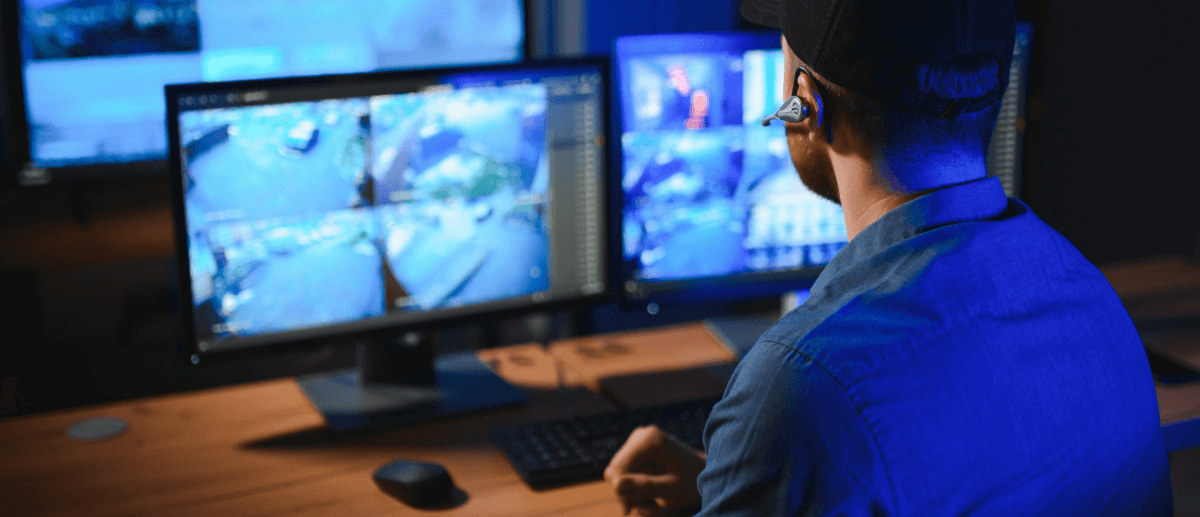
Manhattan's commercial security landscape is undergoing a significant transformation as businesses shift from traditional DVR systems to AI-powered, cloud-managed security cameras. This transition represents more than just technological advancement—it fundamentally changes how organizations manage risk, respond to incidents, and operate their facilities in one of the world's most demanding urban environments.
The move toward intelligent video systems addresses critical limitations of traditional security footage, which often surfaces too late to be useful for prevention or immediate response. Modern systems now provide proactive alerts through AI models that detect motion in restricted zones, loitering, tailgating at doors, license plates, and line-crossing events, pushing mobile notifications directly to managers or security teams in real time.
These advanced systems offer searchable video capabilities that transform evidence gathering from hours-long reviews to 30-second tasks. Object- and attribute-based search allows security personnel to quickly locate specific individuals or events, such as finding a person in a red jacket between specific times at a particular entrance. The cloud-based infrastructure ensures footage remains available even if local recording equipment fails or is stolen, with encrypted backups and tiered retention policies aligned with insurance and legal requirements.
Mobile integration has become a critical component, turning smartphones into command centers where managers can review live feeds, communicate through two-way audio systems, and even lock doors remotely. This capability significantly reduces after-hours incident response times and enables real-time decision-making during security events. The technology stack combines edge AI processing within the cameras themselves with cloud analytics that provide cross-site context and richer detection capabilities, reducing false alarms while focusing security teams on genuine threats.
For Manhattan's diverse commercial environments—including retail, hospitality, healthcare, logistics, education, and property management sectors—the implementation requires careful camera selection. Different scenarios demand specific hardware: dome cameras for lobbies and hallways needing vandal-resistant profiles, bullet cameras for perimeter security with strong infrared performance, PTZ cameras for large areas requiring remote control and zoom capabilities, and thermal cameras for high-value perimeters where visibility may be obscured by environmental conditions.
The business implications extend beyond security to operational efficiency and liability management. Modern systems provide documented evidence for theft prevention, returns fraud reduction, slip-and-fall incidents, property damage claims, and HR-related events. Many insurance carriers now view documented retention policies, secure storage practices, and verified workflows favorably when assessing risk and premiums. The integration capabilities allow these systems to work seamlessly with access control systems, intrusion alarms, point-of-sale systems, and building management systems, creating a unified security infrastructure.
Professional implementation remains crucial for success in Manhattan's complex building environments. Factors such as temporary scaffolding, mixed lighting conditions, historic building facades, and bandwidth constraints require specialized expertise. Proper coverage planning must ensure clear facial recognition, license plate capture, and uninterrupted recording across entrances, transaction areas, loading docks, elevators, and parking facilities. The transition to AI-powered security represents a fundamental shift in how Manhattan businesses protect their assets, manage risk, and operate efficiently in an increasingly complex urban environment.