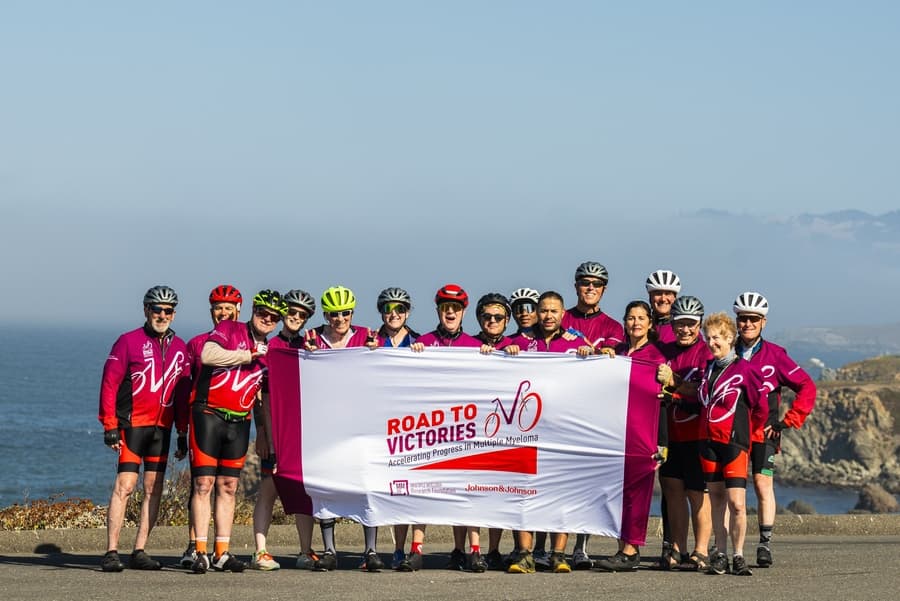
The Multiple Myeloma Research Foundation (MMRF) has successfully concluded its eighth annual Road to Victories cycling event, raising over $110,000 for multiple myeloma research and patient support. The 250-mile endurance ride through California's Wine Country, which took place on August 24, 2024, brought together patients, family members, healthcare providers, and supporters in a powerful demonstration of community strength and commitment to finding a cure for this challenging blood cancer.
Multiple myeloma, the second most common blood cancer, affects plasma cells in the bone marrow and can spread throughout the body. The MMRF, as the largest nonprofit organization dedicated solely to accelerating a cure for multiple myeloma, has been at the forefront of research efforts. The funds raised through events like Road to Victories are crucial for advancing research, increasing awareness, providing patient education, and offering community support.
The significance of this event extends beyond the impressive fundraising total. It represents a tangible example of how collaborative efforts between patients, healthcare professionals, and supporters can drive progress in the fight against cancer. The participation of six multiple myeloma patients in the challenging 250-mile ride serves as an inspiring testament to the resilience of those living with the disease and highlights the importance of ongoing research and support.
Michael Andreini, President and CEO of the MMRF, emphasized the organization's focus on patient outcomes and accelerating cures. He stated, "This team represents our community and demonstrates that together, we are fueling progress and driving cures." This sentiment underscores the MMRF's commitment to leveraging community engagement to advance its mission.
The event's route through California's Wine Country, including Sonoma, Napa, Yountville, and along the Pacific Coast, provided a scenic backdrop for the challenging ride. The diverse terrain, from coastal views to redwood forests, mirrors the complex journey faced by multiple myeloma patients and researchers in their quest for effective treatments and ultimately, a cure.
Johnson & Johnson's sponsorship of the Road to Victories program highlights the important role of corporate partnerships in supporting medical research and patient advocacy. Rob Bultje, Regional Business Director at Johnson & Johnson Innovative Medicine, described the event as "more than just a bike ride" but rather "an unforgettable and life-changing experience" that strengthens participants physically, mentally, and emotionally.
The success of the Road to Victories event is particularly noteworthy given the MMRF's track record. Since its inception, the foundation has raised over $600 million for research, opened nearly 100 clinical trials, and helped bring more than 15 FDA-approved therapies to market. These efforts have contributed to tripling the life expectancy of myeloma patients, demonstrating the tangible impact of such fundraising initiatives.
As multiple myeloma continues to affect thousands of individuals worldwide, events like Road to Victories play a crucial role in maintaining momentum in research and support efforts. The funds raised will contribute to the MMRF's ongoing work in developing next-generation therapies, leveraging data for personalized treatment approaches, and empowering patients with information and resources.
The cycling event's success also highlights the growing importance of endurance sports in fundraising for medical research. Such events not only raise money but also increase public awareness of diseases like multiple myeloma, potentially leading to earlier diagnoses and improved patient outcomes.
As the MMRF continues its mission to accelerate a cure for every multiple myeloma patient, the Road to Victories event stands as a powerful symbol of hope and determination. It demonstrates that through collective effort and dedication, significant strides can be made in the fight against cancer, bringing us closer to a world where complex diseases like multiple myeloma can be effectively prevented, treated, and ultimately cured.