

The Litchfield Hills, Hudson Valley, and Southern Berkshires form a compact region where buyers can traverse three states within minutes, yet the communities within this small radius offer starkly different lifestyles. For those making a significant purchase decision, these distinctions often determine whether a property becomes a lasting home or is relisted within a few years. Elyse Harney Morris, principal broker at Elyse Harney Real Estate, has guided countless buyers through this decision, noting that the discovery process is one of the most underestimated steps in purchasing property here. “Often buyers have a very strong concept of what they are looking for,” she says, “and often that isn’t what they buy. You don’t know that you want to live in town until you look at it in town.”
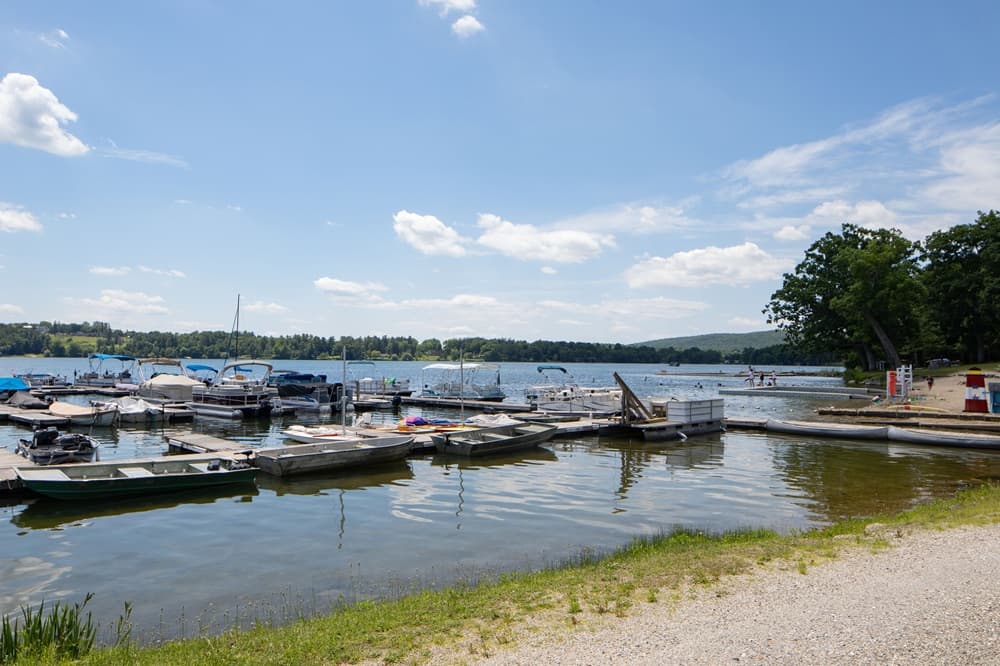
For some, the revelation comes in historic town centers like Salisbury, Connecticut, where walkability, community access, and the rhythm of daily life prove exactly what they needed. The town offers Lakeville Lake, restaurants, tennis courts, and a year-round community calendar, making it vibrant across all seasons. Morris recently sold a Main Street home for $1.9 million to a family who had been living rurally but discovered that proximity to community was their true priority. “What they really wanted was to be part of a community,” she says, “to have their kids be able to walk to the lake, to restaurants, to town.” That same property had previously sold to a New York family with identical priorities, showcasing how buyers from different backgrounds arrive at the same conclusion through direct experience.
Conversely, buyers seeking privacy and land find equally compelling options. The $2 million to $3 million range, which Morris identifies as the most active market segment, delivers substantial acreage, water features, trail systems, and agricultural character that are hard to match near major cities. Properties in this range often include historic structures and working landscapes that support beehives, kitchen gardens, and fishing access—ideal for multi-generational families. However, understanding what a piece of land can and cannot do requires expertise in conservation easements, agricultural programs, water rights, and development restrictions. A broker fluent in these categories is essential.
Morris observes a consistent pattern: the gap between what buyers think they want and what they discover they want once they are on the ground. A property that looks isolated can feel disconnected in daily life, while a small town can feel vibrant when experienced directly. Her advice for those new to the region is to rent before purchasing, ideally for six months. “It makes a difference,” she says, “because you figure out what happens not only on a Saturday and Sunday, but what happens on a Tuesday.” The midweek experience—pace, access, community rhythms—often determines whether a buyer ultimately feels at home.
For prepared buyers, the market demands speed. With inventory tight across all three states, hesitation can cost the right property. Financing in place, clear priorities, and a broker with early access to listings are practical requirements. The towns reward those who take time to understand them; those who skip that step often find themselves starting over.
