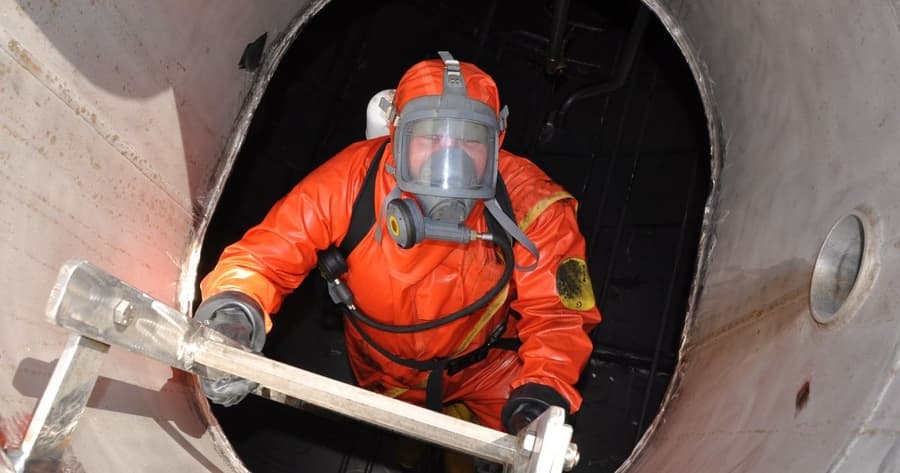
A new guide released by DCS Rescue aims to address the critical issue of confined space safety compliance in the workplace. The comprehensive resource offers essential insights into Occupational Safety and Health Administration (OSHA) standards, safety requirements, and best practices for working in confined spaces, potentially impacting millions of workers across various industries.
Confined spaces, such as tanks, vessels, silos, storage bins, hoppers, vaults, pits, manholes, tunnels, equipment housings, ductwork, pipelines, and other similar spaces, pose unique challenges and potential hazards to workers. These areas are not designed for continuous occupancy and may have limited means of entry or exit, making them particularly dangerous if proper safety protocols are not followed.
The guide provides a detailed explanation of OSHA standards for confined spaces in general industry (29 CFR 1910.146) and construction (29 CFR 1926 Subpart AA). This information is crucial for employers and workers to understand their legal obligations and the necessary steps to ensure compliance with federal regulations. By offering step-by-step guidance on identifying confined spaces, evaluating hazards, and implementing safety measures, the guide serves as a practical tool for improving workplace safety.
One of the key aspects highlighted in the guide is the importance of pre-entry safety requirements. These include proper training for all personnel involved in confined space operations, thorough atmosphere testing to identify potential hazards such as toxic gases or oxygen deficiency, and comprehensive rescue planning. The emphasis on these preparatory measures underscores the proactive approach necessary to prevent accidents and fatalities in confined spaces.
The guide also stresses the significance of continuous monitoring, clear communication, and proper equipment usage during confined space operations. These practices are essential for maintaining a safe working environment and responding quickly to any emergencies that may arise. By providing this information, DCS Rescue aims to equip employers with the knowledge needed to create more robust safety protocols and foster a culture of safety within their organizations.
The release of this guide is particularly timely, as industries continue to evolve and new challenges emerge in workplace safety. According to OSHA statistics, confined space incidents result in numerous fatalities and injuries each year, highlighting the ongoing need for improved safety measures and education. By making this comprehensive resource available, DCS Rescue contributes to the broader effort of reducing workplace accidents and protecting workers' lives.
For industries such as construction, manufacturing, utilities, and agriculture, where confined space work is common, this guide represents a valuable resource for enhancing safety practices. It can help companies avoid costly violations, reduce workplace injuries, and potentially save lives. Moreover, the guide's focus on OSHA compliance can assist businesses in navigating complex regulatory requirements and implementing effective safety management systems.
The publication of this guide also reflects the growing emphasis on workplace safety across all sectors. As awareness of occupational hazards increases, resources like this play a crucial role in educating both employers and employees about the importance of safety protocols. By promoting a better understanding of confined space risks and mitigation strategies, the guide contributes to the overall improvement of workplace safety standards nationwide.
As industries continue to face challenges in ensuring worker safety, particularly in high-risk environments like confined spaces, resources such as this guide become invaluable tools for safety professionals, managers, and workers alike. The comprehensive nature of the guide, covering everything from regulatory compliance to practical safety measures, makes it a significant contribution to the field of occupational safety and health.